Skip to content

Cardiac surgery

At Roper St. Francis Healthcare, our fellowship-trained surgeons combine years of experience and advanced skill with a compassionate, patient-centered approach.

Man holds heart shaped pillow

Recognized excellence in cardiac surgery

With advanced electrophysiology labs at Roper Hospital, our team is a leader in the latest minimally invasive treatments for heart rhythm conditions. Roper Hospital is one of only two hospitals in the state that offer convergent ablation treatment, which combines minimally invasive heart surgery with an electrophysiology (ablation) procedure. We were also the first hospital in South Carolina to implant 300 WATCHMAN devices and rank in the top 5% of hospitals nationwide for the number of mitral valve repairs we perform each year.

Top-5-badge

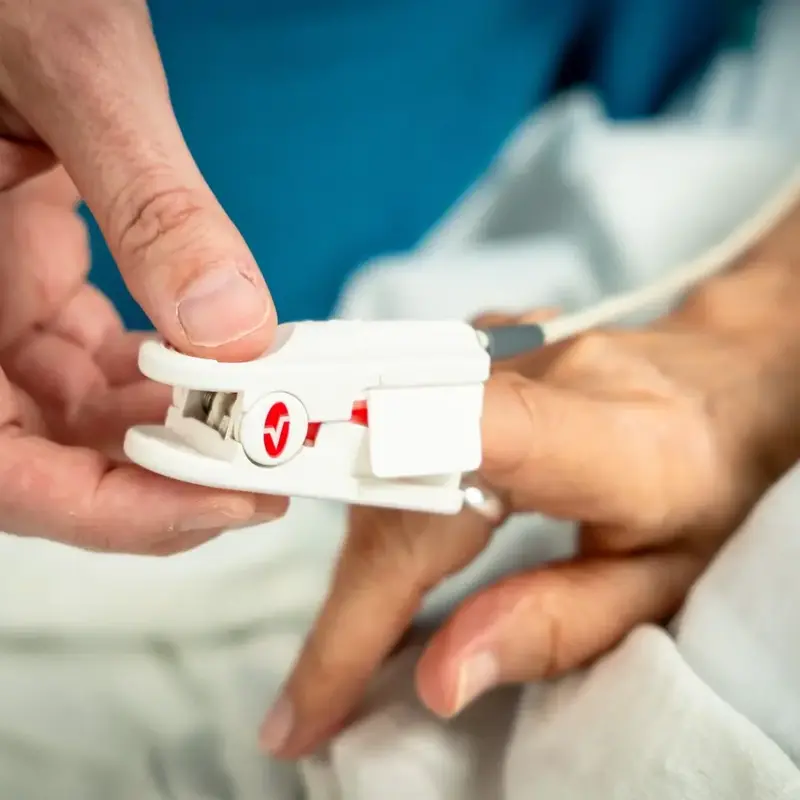
Heart monitor on finger

Conditions we may treat with surgery include:  

  • Arrhythmias
  • Congenital heart defects
  • Coronary artery disease
  • Heart failure
  • Heart valve disease
  • Additional cardiac surgery needs
Nurses wheel patient to surgery

Cardiac surgery can be performed in different ways, depending on your condition and overall health. Whenever possible, our surgeons use minimally invasive techniques, which involve smaller incisions and specialized instruments. This approach can mean less pain, reduced risk of complications and a faster recovery compared to traditional surgery.

In some cases, a traditional open-heart procedure may be the safest and most effective option. This type of surgery involves a larger incision to give your surgeon full access to the heart. Your care team will carefully evaluate your condition and recommend the approach that’s right for you, so you can feel confident in your treatment plan and your path forward.

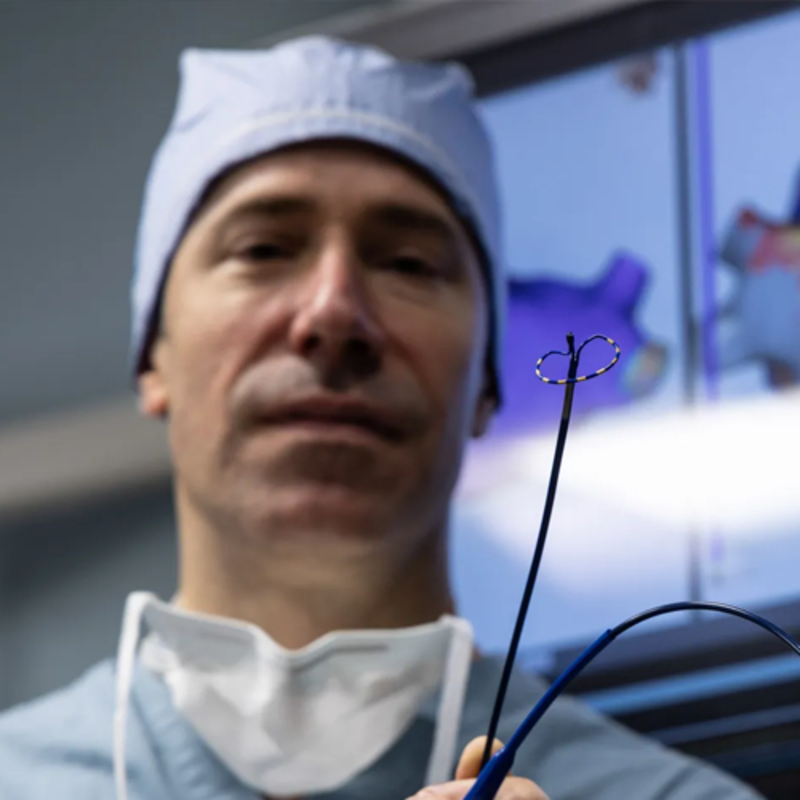
Doctor Fields with tool

Surgeries we commonly perform include

  • Bypass surgery - for a more permanent solution to extensive heart disease.
  • Cardiac catheterization - a minimally invasive procedure used to diagnose and treat certain heart conditions.
  • Congenital heart surgery - to correct structural abnormalities, such as abnormal holes in the heart.
  • Convergent ablation - A combination of minimally invasive surgery with an electrophysiology (ablation) procedure to treat heart rhythm conditions. Roper Hospital is on of only two hospitals in the state that offers this treatment.
  • Coronary artery bypass graft - or CABG surgery to reroute blood around a blockage using a healthy blood vessel taken from within the body.
  • Heart failure monitoring device implant - surgically implanted, battery-free devices, such as CardioMEMS™, to monitor for signs of heart failure.
  • Heart rhythm surgery - to destroy tissue that’s responsible for abnormal electrical signals.
  • Heart valve surgery - to repair or replace a damaged heart valve
  • Heart valve repair or replacement - for patients who have had heart valve surgery and need a repair or to replace previous work.
  • Pacemaker or other device implantation - to correct an abnormal heart rhythm.
  • Angioplasty and percutaneous coronary intervention (PCI) -
  • Aortic aneurysm repair - to prevent tears or ruptures to the aorta, the main artery in your body.
  • Aortic valve replacement and repair - to repair or replace a valve that has become too narrow or is leaking heavily.
  • AtriClip - an option to prevent stroke in some patients with atrial fibrillation.
  • Atrial septal defect (ASD) closure - a procedure to fix a hole in the wall between the heart's chambers.
  • Convergent ablation  - a surgery for advanced atrial fibrillation (AFib).
  • Mitral valve replacement and repair - to replace a severely damaged mitral valve when damage or disease make repair impossible.
  • MitraClip - a minimally invasive procedure done to repair a leaky mitral valve without opening the chest.
  • Patient formenovale (PFO) closure - a minimally invasive procedure that permanently seals an opening between the heart's upper chambers.
  • Surgical MAZE -  one way to correct irregular heartbeat cause by atrial fibrillation (AFib).
  • Traditional surgical valve replacement and repairs - for when minimally invasive surgery isn't the safest or most effective option for you.
  • Transcatheter aortic valve replacement (TAVR) - to treat severe aortic stenosis.

We participate in clinical trials that offer promising new treatment options without having to travel outside the greater Charleston area. Our team is actively involved in research studies, including trials of new devices and therapies to treat conditions such as atrial fibrillation. If a clinical trial may be right for you, we’ll guide you through the process and help connect you with the appropriate program.


About clinical trials
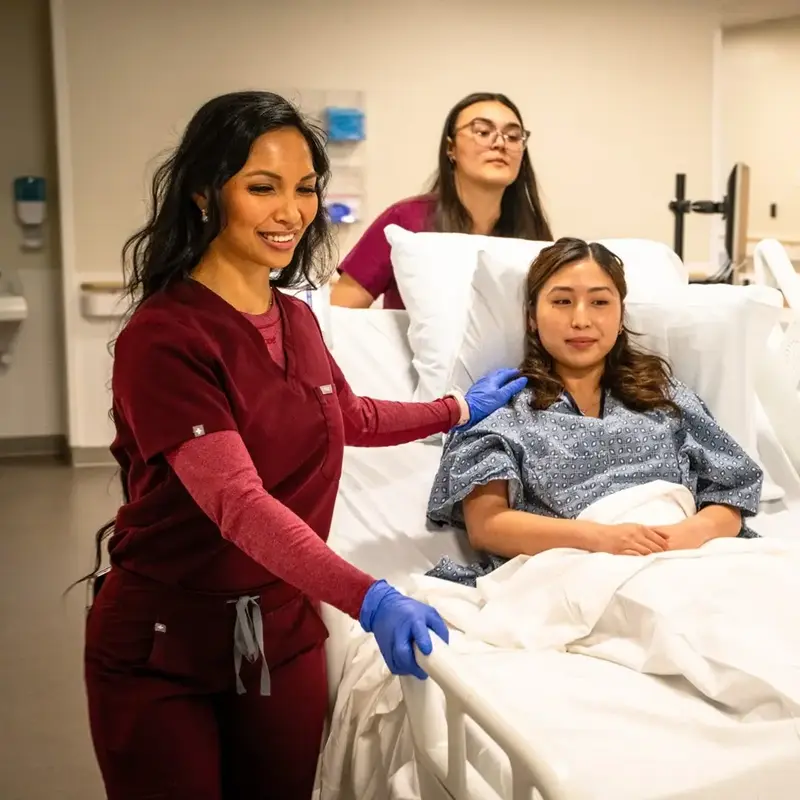
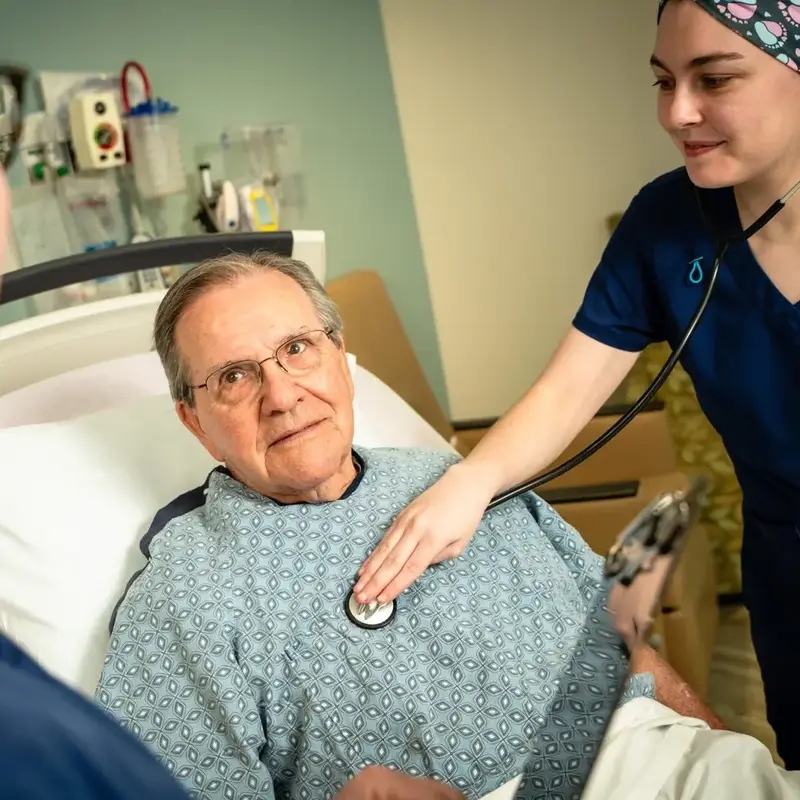
Nurse listens to patient heart

Your recovery doesn’t stop after treatment or surgery. Our cardiac rehabilitation team guides you every step of the way, helping you build endurance, improve cardiovascular health, and return confidently to daily life. The program includes supervised exercise, nutrition counseling and education tailored to your condition and goals. You work with a team of specialists who guide your progress and help you prevent future heart events. 


Learn more about cardiac rehabilitation

Cardiac catheterization labs

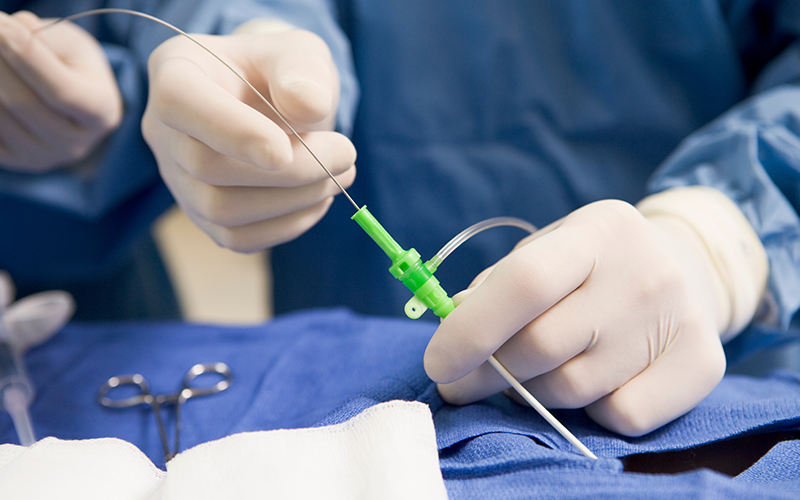
Our team has access to advanced cardiac catheterization labs. These labs allow us to offer the latest catheter-based treatments. During these procedures, the team places a catheter in an artery to access a heart valve or a blockage. Then, interventional cardiologists insert small tools into the catheter to repair or replace the valve or remove the blockage. The team also uses the lab’s detailed imaging to help guide the catheter and tools.

Cardiac catheterization labs also provide more precise and effective treatments with less radiation and faster treatment times. The average procedure time in our labs is 50 minutes.

cardiac-heart-surgery-catheter

caring-hands

Post-surgery care

Before you undergo treatment, your care team will coordinate all post-surgery care and appointments. This may include follow-up with your cardiologist and surgeon, cardiac rehabilitation and nutrition counseling. We’ll also make sure to talk with you and your caregiver about your recovery at home after the procedure.

About cardiac rehabilitation