Skip to content

Heart rhythm services

Heart rhythm disorders can be unsettling — sometimes causing noticeable, uncomfortable symptoms and other times appearing without warning. At Roper St. Francis Healthcare, we’re here to help you restore a healthy rhythm and your peace of mind.

woman gets E K G
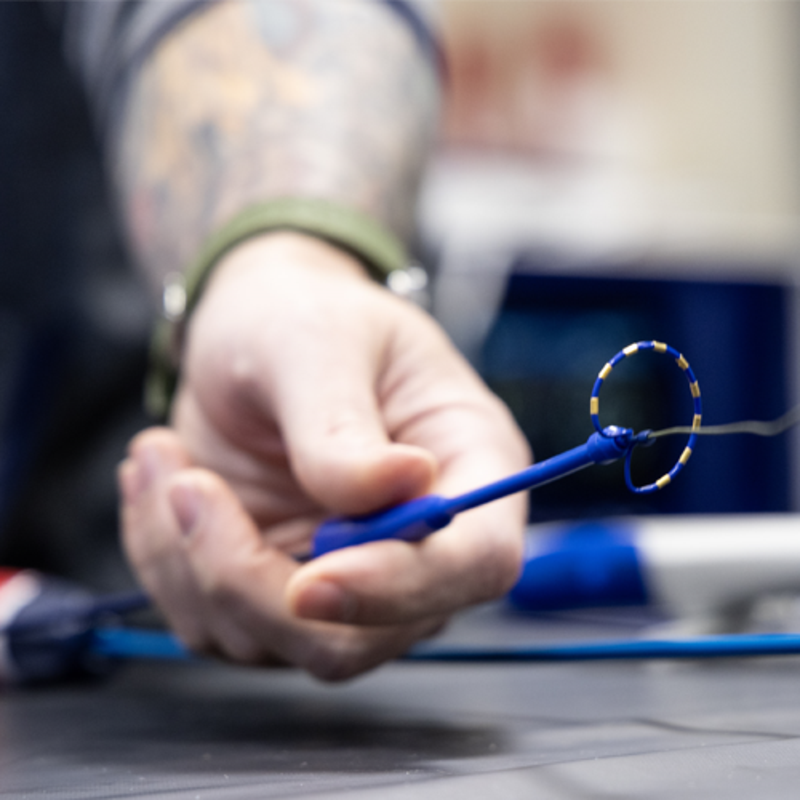
Ablation tool

We diagnose and treat the full spectrum of heart rhythm disorders, providing expert and seamless care for both common and complex conditions, including: 

  • Accessory pathway (Wolff-Parkinson-White syndrome): An extra electrical pathway between two heart chambers that causes abnormal heart rhythms and can lead to heart flutters, dizziness or fainting
  • Atrial fibrillation (AFib): AFib happens when the heart’s upper chambers beat chaotically, possibly causing a pounding feeling, light headedness or shortness of breath
  • Atrial flutter: An abnormally fast, but regular, heart rhythm that may cause a pounding or racing feeling in the chest
  • Atrial tachycardia: An abnormal heart rhythm that comes and goes suddenly, where the heart may feel likeit’sracing or pounding
  • AV nodal reentrant tachycardia (AVNRT): An abnormally fast heartbeat that happens when there’s an extra pathway for electrical signals
  • Bradycardia: An abnormally slow heart rhythm that may cause fatigue, dizziness or shortness of breath
  • Supraventricular tachycardia (SVT): An unusually fast or unpredictable heartbeat that affects the heart’s upper chambers
  • Ventricular tachycardia: An abnormally fast heart rhythm that begins in the heart’s lower chambers, or ventricles, and may cause flutters, dizziness or chest pain
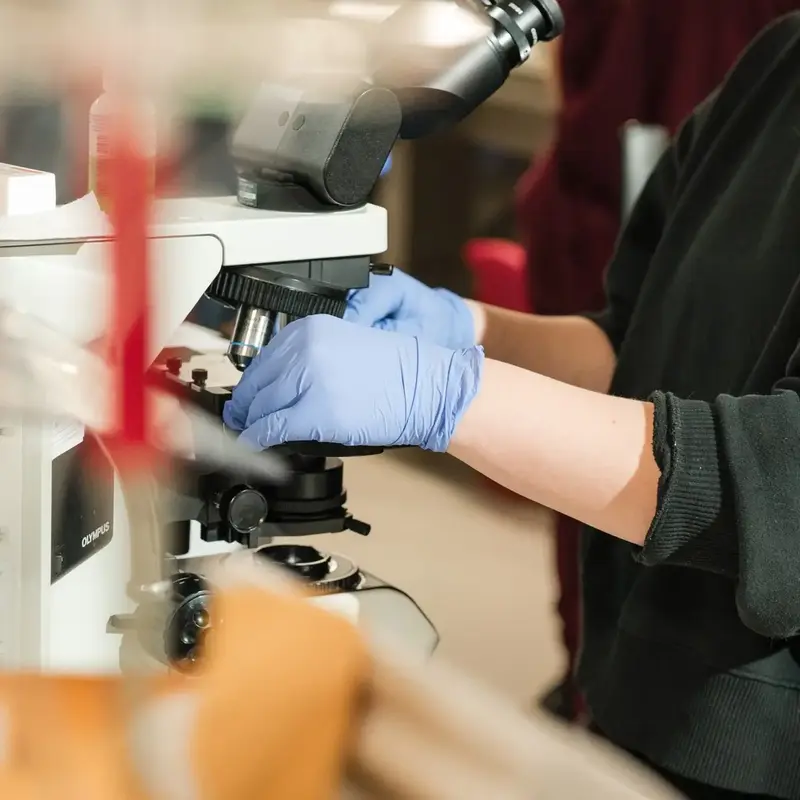
Lab tech uses microscope

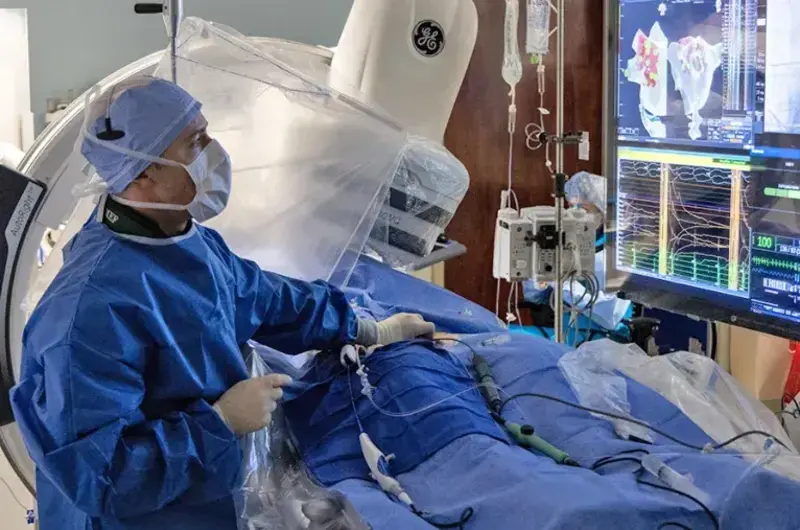
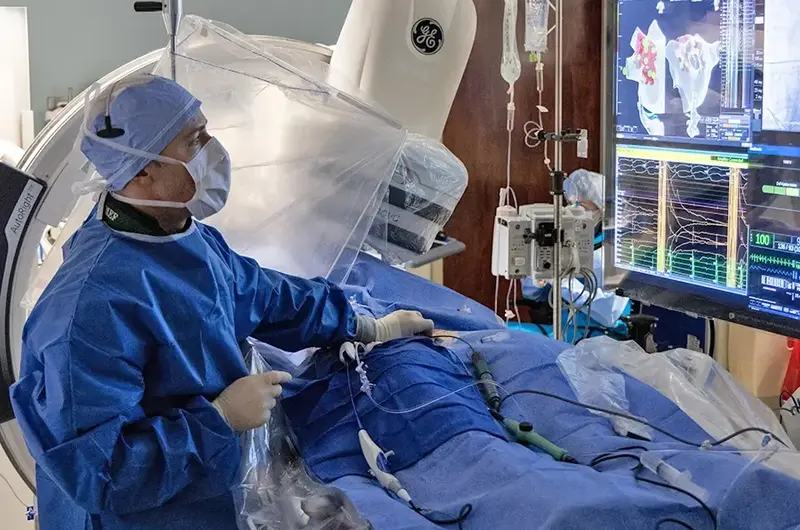
Our state-of-the-art electrophysiology (EP) labs are equipped with the latest innovations in heart rhythm care, including advanced 3D mapping technology. These tools allow our electrophysiologists to precisely identify the source of abnormal heart rhythms and guide treatment with greater accuracy. The result is safer procedures, more effective outcomes and faster recovery for you. 

Heart rhythm disorders can affect people in different ways, from occasional flutters to symptoms that disrupt daily life. Your care begins with careful evaluation to understand what’s causing your symptoms and how it’s affecting your heart. Before we recommend a treatment, we may ask you to undergo some additional tests. These tests will help us develop a treatment plan tailored to your needs. 
 
Tests may include:

  • Cardiac catheterization
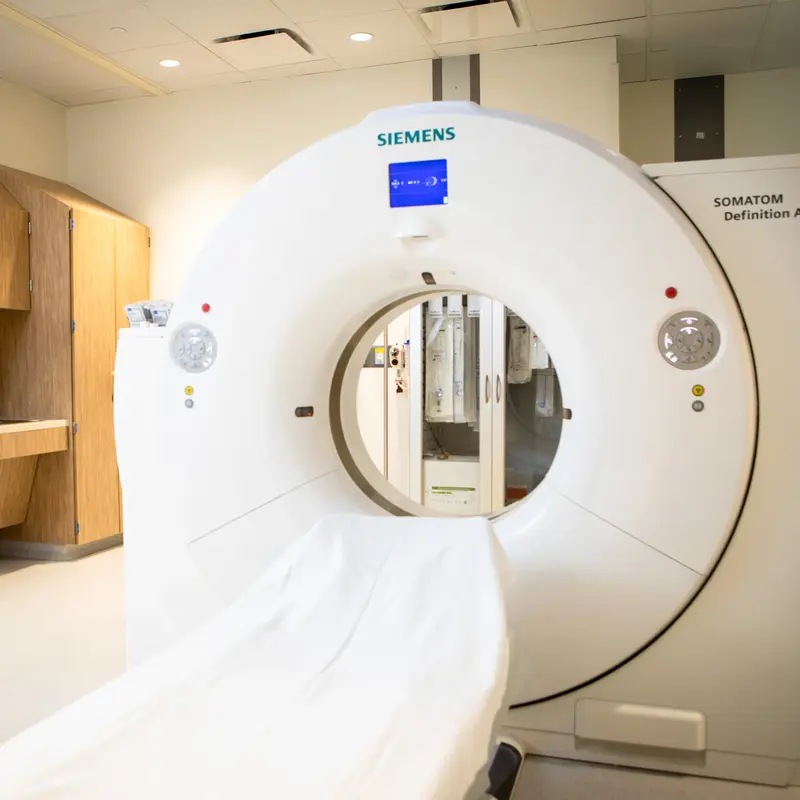
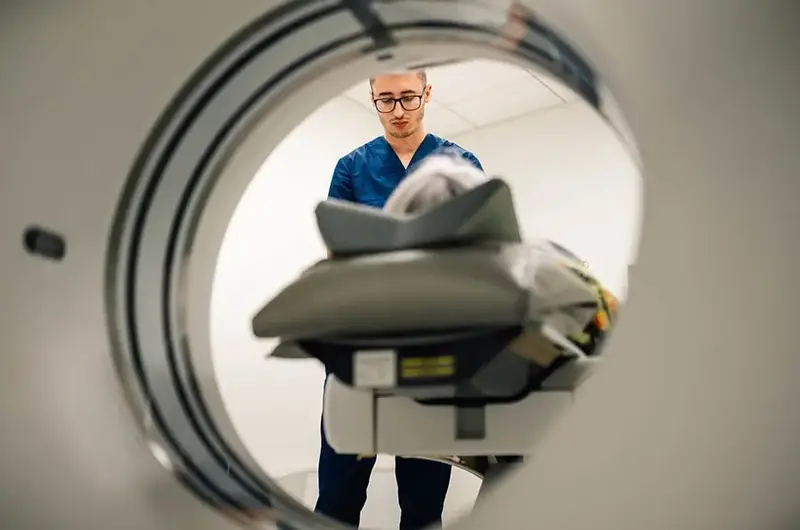
  • CT scan of the heart
  • Echocardiogram
  • Electrocardiogram (EKG)
  • Event monitor, such as a Holter monitor
  • Transesophageal Echocardiogram (TEE)
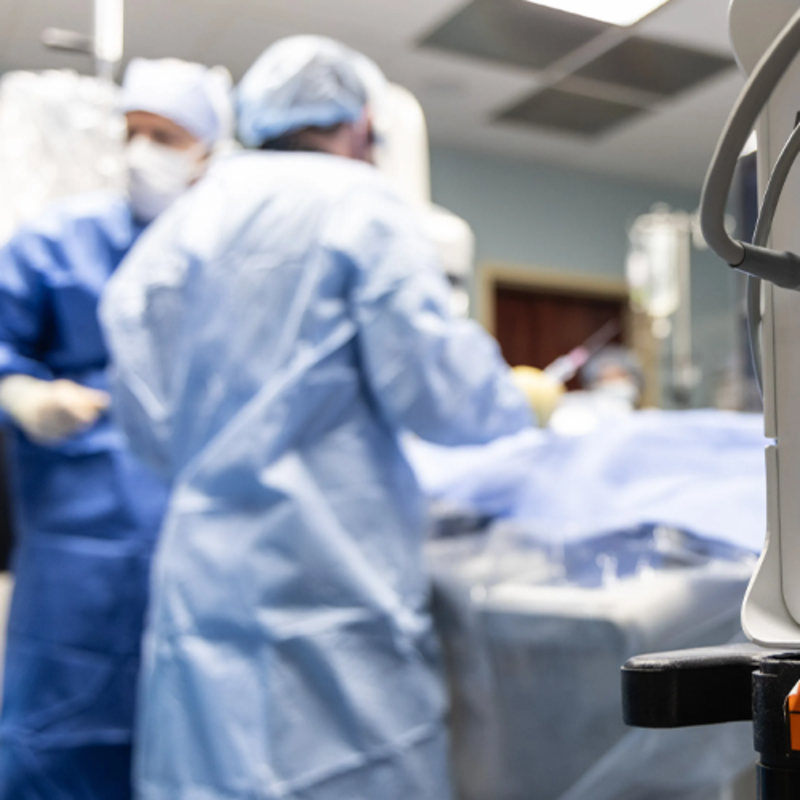
Pulse field ablation machine

Your care team will recommend treatments based on your specific condition. 

Depending on your needs, treatment may include:

  • AtriClip and MAZE procedures 
  • Catheter ablation 
  • Convergent ablation
  • Pacemakers and implantable cardioverter defibrillators (ICDs)
  • WATCHMAN™ device

How do our treatment options work?

A safer path forward after AFib

Wayne was enjoying retirement when doctors diagnosed him with AFib, a heart rhythm disorder that increases the risk of stroke. Learn how the WATCHMAN device gave him peace of mind.

People also ask

  • Doctor in scrubs monitoring heart equipment

    When I was in A-fib, I didn’t feel like doing anything. It made me feel aggravated and depressed… I couldn’t have been happier that this opportunity came at the right time. Everyone at Roper Hospital was so kind and professional, and I can’t wait to get back on my bike.

    – Frank Waddell , Cardiovascular patient