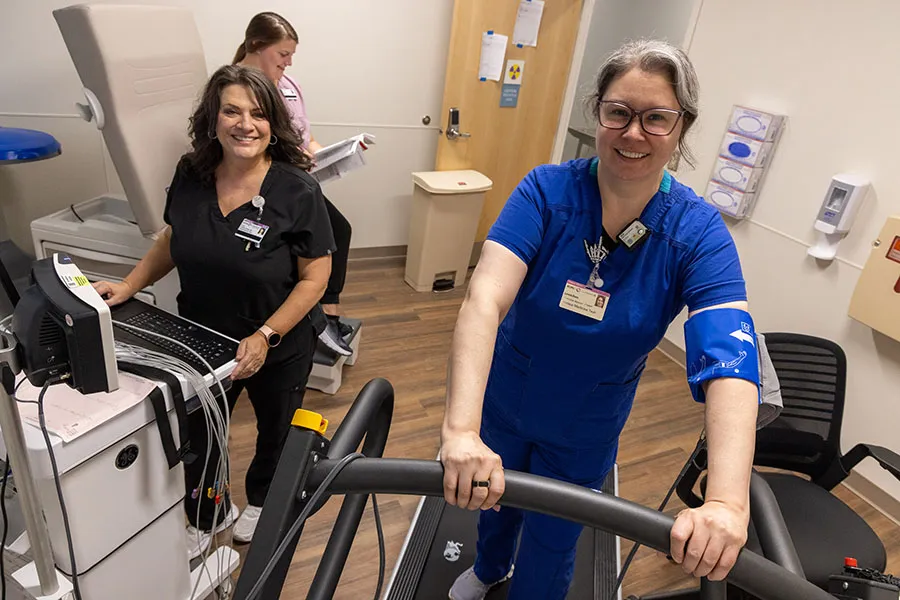
Heart disease is the leading cause of death among women — but with the right care, it can often be prevented, detected early and effectively managed. Heart disease in women is often misdiagnosed because symptoms appear differently than they do in men. Our gynecology and primary care doctors are your first line of defense for heart health. We take the time to explain your cardiovascular disease risk factors, including how hormone changes during pregnancy and menopause can affect your heart, and provide the preventive screenings you need to reduce your risk of developing heart disease.
The link between your hormones and heart health
Recognized excellence in women's heart care
We're proud to provide excellent heart care to all of our patients -- and that means recognizing women's unique heart health needs. Roper Hospital has been recognized for our attention to personalized care as a recipient of the 2026 Women’s Choice Award for Best Hospitals in South Carolina.

Know your numbers
The key to improving your heart health and preventing disease is to “know your numbers.” These screening numbers paint a clear picture of your heart’s overall condition and help your doctor spot risks early and create a proactive heart health plan.
In addition to discussing your reproductive health, your annual wellness visit is a good opportunity to talk with one of our women’s health experts about your heart health. Together, we can discuss your heart health concerns and create a customized plan that protects your heart and long-term well-being.

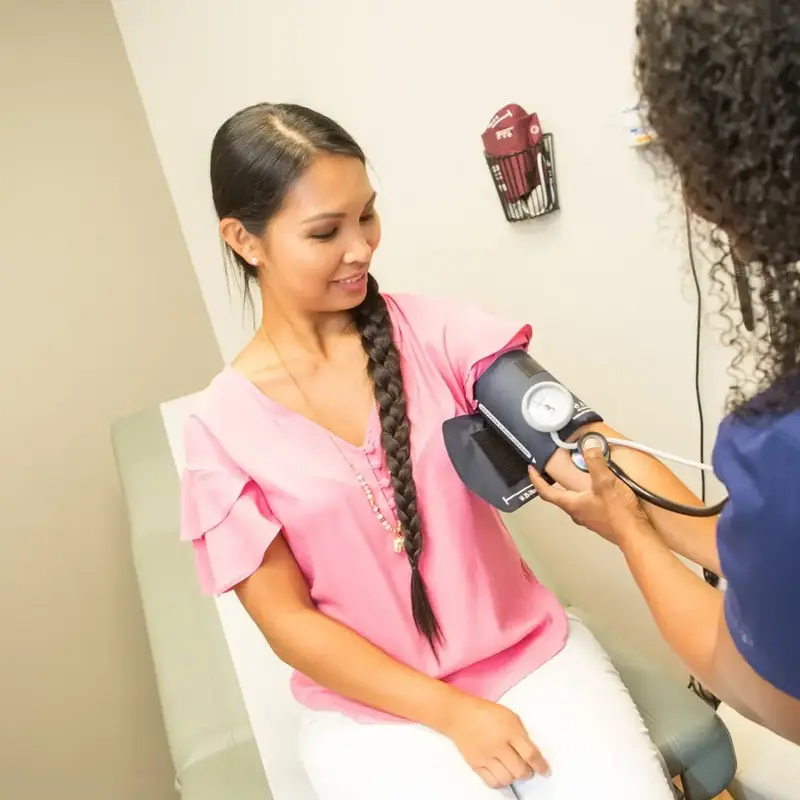
Your blood pressure is the force your blood pushes against the walls of your blood vessels as your heart beats. Keeping it in a healthy range(generally below120/80 mmHg) can help prevent injury to your blood vessels and help you avoid brain, heart and kidney damage.
Your body mass index (BMI) is calculated from your height and weight to estimate your body fat percentage. It helps your doctor determine your risk of various weight-related health conditions. Maintaining the healthiest BMI range (18.5to24.9) can help you avoid the development of chronic conditions.
Cholesterol is the waxy substance your body uses to make cells, hormones and vitamins. When you have too much, it can build up in your blood vessels and increase your risk of heart attack and stroke. Keeping your total cholesterol level low (below200 mg/dL) decreases those risks.
Glucose (blood sugar) is your body’s main source of energy. But if you have too much, it can damage your blood vessels, increase plaque buildup and raise your risk of heart attack, stroke and diabetes. Keeping your glucose level between 70 and 140 mg/dL is best.
Triglycerides are the most common type of fat in your body. High triglyceride levels increase your risk of heart disease, stroke and pancreatitis. For adults, a healthy triglyceride level is less than 150 mg/dL.
Your waist helps your doctor estimate the amount of internal fat around your heart, kidneys, liver, digestive organs and pancreas. High fat levels raise your risk of heart disease and stroke. According to the American Heart Association, a healthy waist circumference is below 35 inches for women.

Your heart disease prevention partner
As women’s health specialists, we understand that there’s no one-size-fits-all solution to prevent heart disease. That’s why we devote part of your annual wellness visit to reviewing all the factors that affect your heart, helping us detect potential problems and guide you toward effective treatments. We’re committed to protecting and supporting your current and future cardiovascular health through:
Understanding your risk is the first step in protecting your heart. We evaluate key factors such as blood pressure, cholesterol levels and your family history to identify any early signs of concern. By catching potential issues early, we can help you take proactive steps to reduce your risk and support your long-term heart health.

Everyday choices play a powerful role in your heart health. Our team provides personalized guidance on nutrition, physical activity and smoking cessation, helping you build habits that feel realistic and sustainable. We work with you to create a plan that fits your life, so you can make meaningful changes with confidence.

Hormonal changes throughout your life can have a significant impact on your heart health. From pregnancy to menopause and beyond, we help you understand how these changes may affect your risk and what you can do to stay healthy. Our team offers thoughtful guidance and personalized care to support you through each stage.

Your heart care should feel seamless and connected. From your primary care provider and OBGYN to our cardiologists and surgeons at our hospitals, we work together to ensure you receive the right care at the right time. By coordinating your care across our health system, we help you feel supported and informed every step of the way.
Your women's heart health team
Providers across the Roper St. Francis Healthcare, including primary care physicians, OB/GYNs and cardiology specialists, believe a collaborative approach to care always works best. This continuum of care allows us to identify risk early, provide timely treatment and support your long-term heart health with coordinated, high-quality care.
-
Book Online
-
Book Online
-
Book Online
-
Book Online
-
Book Online
-
Book Online
-
Book Online
-
Book Online
-
Book Online
-
Book Online
-
Book Online
-
Book Online
-
Book Online
-
Book Online
-
Book Online
-
Book Online
-
Book Online
-
Book Online
-
-
Book Online
-
Book Online
-
Book Online
-
Book Online
-
Book Online
-
Book Online
-
Book Online
-
Book Online
-
Book Online
-
Book Online
-
-
-
Book Online
Women's heart health locations
Our women’s heart care services are available at locations across the Roper St. Francis Healthcare system, from community-based providers to hospital-based specialists, so you can access the right care, close to home.
Heart & Vascular Center
We work closely with the Roper St. Francis Heart & Vascular Center to make sure you receive the complete, connected heart care you deserve.
Our comprehensive cardiovascular care services include:
- Advanced diagnostic testing
- Leading-edge treatments and surgery technologies
- Cardiac rehabilitation programs
- Educational services and counseling
Our board-certified cardiologists and nurses take the time to understand your individual needs so they can design tailor-made treatment plans that support your lifelong heart health.

People also ask
Find answers to commonly asked questions.
For many women, their gynecologist is also their trusted primary women’s health provider. That means these doctors are often the first ones to notice signs of possible heart problems. During your visits, we screen for risk factors, discuss lifestyle behaviors and connect you with a cardiologist for advanced care.
Yes, symptoms of heart disease appear differently in women. Instead of chest pain, you may feel fatigue, jaw pain, nausea and shortness of breath. It’s easy to mistake these symptoms as signs of other, less worrisome conditions. But don’t ignore them. Make an appointment with your doctor.
Any changes in your hormone levels, especially estrogen and progesterone, can increase your risk of high blood pressure and high cholesterol. Your gynecologist can monitor your hormone changes to protect your heart health.
It’s never too early to start paying attention to your heart health. Preventive care, such as regular checkups, screenings and healthy lifestyle habits, can help reduce your risk over time. Your provider can help you understand your personal risk and what steps to take.
Simple steps can make a meaningful difference. Maintaining a healthy diet, staying active, managing stress, avoiding smoking and keeping conditions like high blood pressure or diabetes under control all support heart health. Our team works with you to create a plan that fits your life.
Take a heart health assessment
Understanding your heart health starts with knowing your risk. If you’re curious about where you stand, our heart disease risk assessment tool is a simple place to begin. In just a few minutes, you can gain insights into your personal risk factors and learn what steps you can take to protect your heart. It’s an easy way to start a conversation with your provider and take a more proactive role in your health.
Related services & specialties
-
For relief from menopause and perimenopause symptoms.
-
Comprehensive cardiovascular services, including preventive care, diagnostics and advanced interventions.
-
Focused on minimizing incisions, less pain and faster recovery.
-
Treatment for vein and artery conditions from our vascular surgery experts.
Take control of your heart health
When it comes to your heart health, being proactive is best. Our doctors are dedicated to helping women throughout the region protect their hearts and avoid disease.
Related articles
-
Healthy Living Understanding Hypertension: Causes, Symptoms, and ManagementMarch 10, 2026 5 Minute Read
-

Treatments & Conditions A high-pressure situation: Is this chest discomfort the sign of a heart attack or merely indigestionFebruary 13, 2026
-
-

Treatments & Conditions Take Heart: Roper St. Francis Healthcare rolls out a high-tech new coronary scannerAugust 18, 2025
-