

Every woman goes through menopause, but one thing is certain: you’ll go through it in your own way. That means you deserve care that isn’t one-size-fits-all. Our caring women’s health team invests the time to listen and learn about you and your health concerns. We get to know your symptoms, your lifestyle and what “feeling better” means to you. Our goal is for you to feel balanced, confident and in control for the next chapter in your life.
Helping you feel like yourself again
Menopause signs and symptoms
Most women reach menopause between the ages of 45 and 55. But there’s no sure-fire way to know when your body starts “the change.” Some signs are obvious, but others are more subtle. Keep a close eye on yourself. When symptoms start affecting your life, it’s time to talk with your doctor.
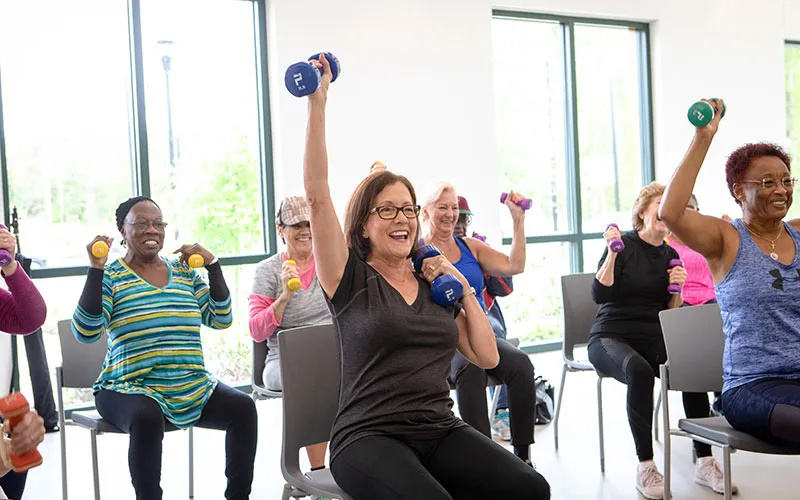
A full range of treatment options
Learn more about how we can help provide you with relief from symptoms caused by menopause and perimenopause.
When it comes to menopause, there’s no single “right” path. Your symptoms, health history, lifestyle and goals all make your experience unique. That’s why we take a comprehensive, customized approach to evaluating your health.
Your care starts with a meaningful conversation where we really listen. We’ll discuss what you’re going through, from changes to your sleep, mood and weight to your sexual health and overall well-being. If needed, we may also recommend lab work and other tests to better understand how your body is changing. From there, we’ll work with you to create a treatment plan that feels right for you. As your wellness partner, we respect your preferences and support your choices. Whether you’re considering hormone therapy, nonhormonal options or lifestyle changes, we’ll carefully explain each option, so you can make the most informed choices with confidence.
Our goal is to ensure you feel empowered with a customized care plan that’s flexible enough to grow and change with your needs.
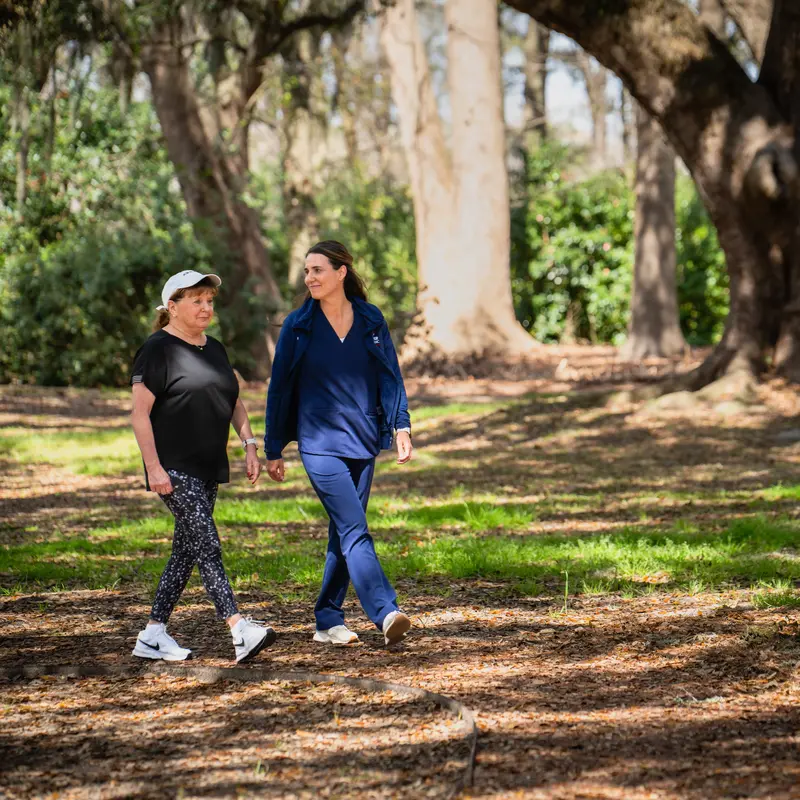
Small, everyday changes can support your medical therapy and make a meaningful difference in how you feel. We’re here to help you identify a wide range of lifestyle behaviors that may relieve your menopause symptoms. For example:
- Avoiding alcohol, caffeine, cigarettes and spicy foods may reduce the intensity of hot flashes
- Getting regular exercise can help with weight gain and bone health
- Using stress management techniques, such as deep breathing or mindfulness, can help reduce mood swings.
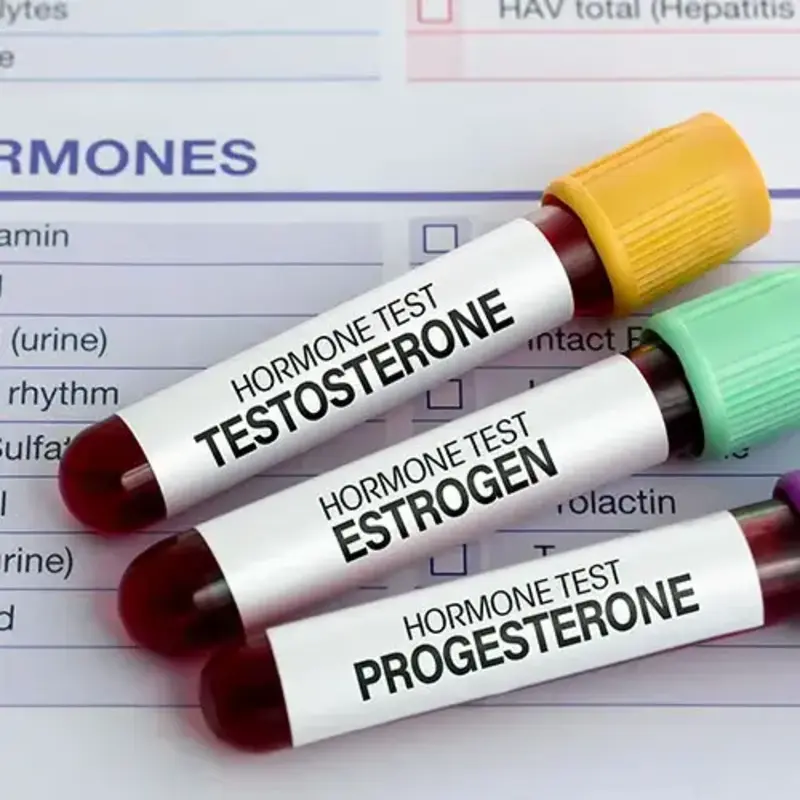
Hormone replacement therapy gently restores estrogen and progesterone, the two hormones that decline during menopause. It can help ease common symptoms like hot flashes, night sweats and vaginal dryness that can make sex painful. HRT also helps prevent bone loss.
Depending on your needs and preferences, we can prescribe HRT as a pill, patch, gel, spray or vaginal cream. It’s helpful and safe for many women, especially if you’re under 60 or within 10 years of starting menopause. But it’s not right for everyone. If you have a history of breast cancer, heart disease, stroke or blood clots, we may recommend other options.
Before you begin HRT, we’ll discuss the risks and benefits with you. And, over time, we will monitor you closely to make sure your treatment stays safe and effective.
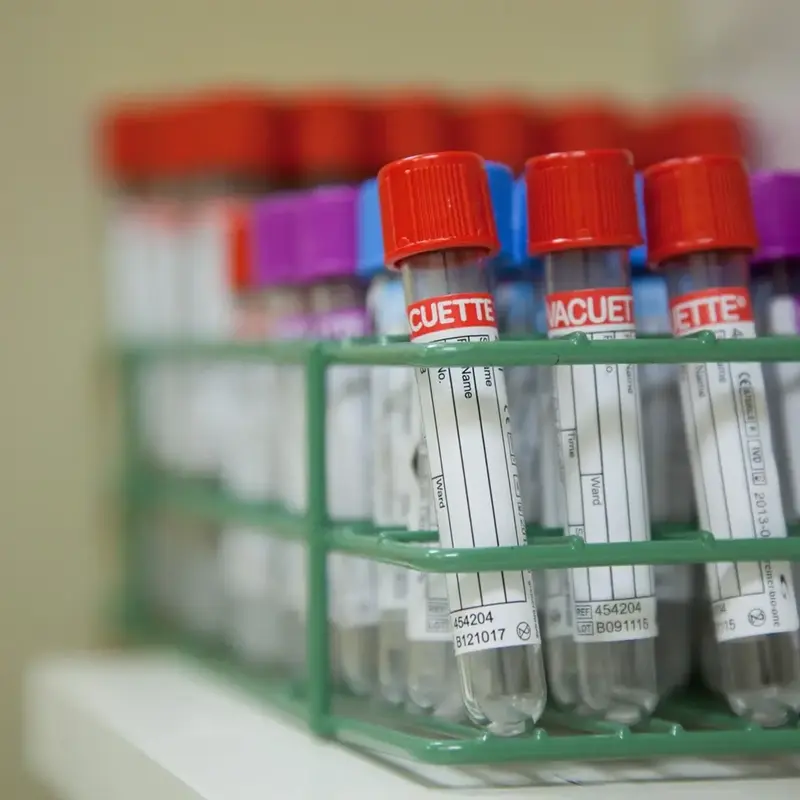
Like HRT, bioidentical hormone replacement therapy replaces your estrogen and progesterone. But it uses plant-based compounds to do it. BHRT relieves the same menopause symptoms, and it carries the same risks as HRT. We specialize in using this HRT alternative treatment and can help you decide if it’s right for you.

If hormone therapy isn’t the right choice for you, medication can be an effective option. To manage some of your symptoms, we may prescribe certain anti-depressants or nerve medications. Research shows these medications can help relieve your hot flashes, night sweats and mood swings.
Your menopause care team
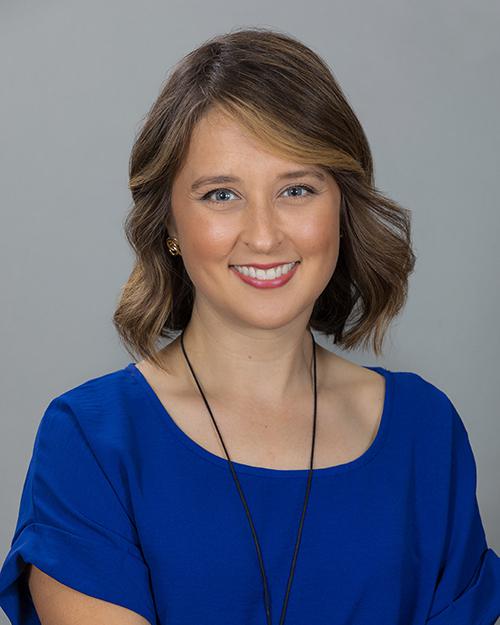
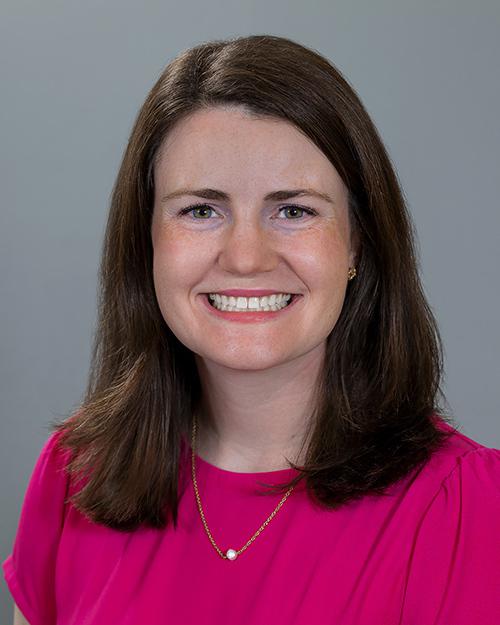
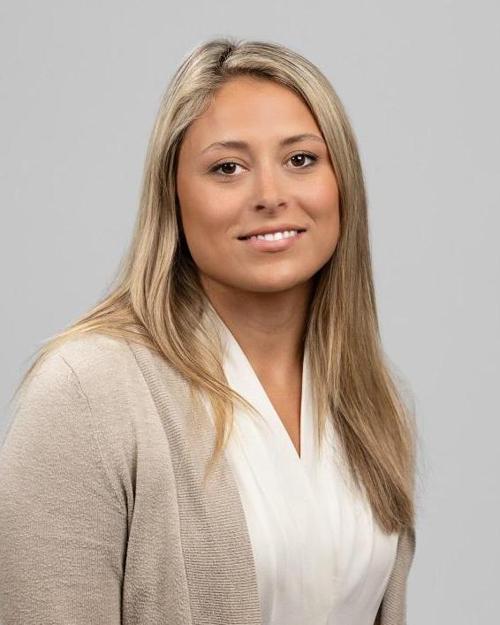
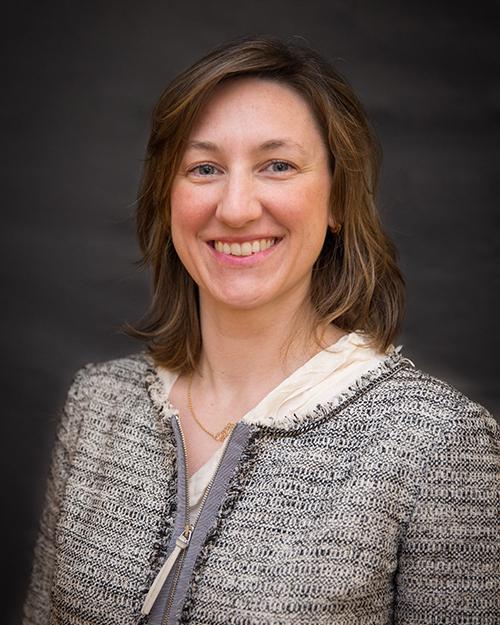
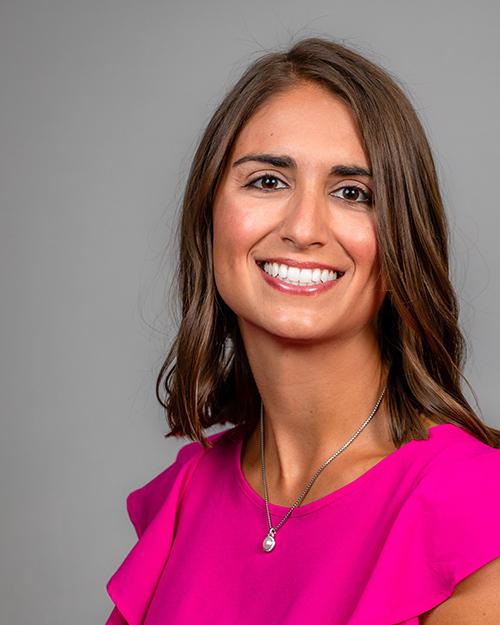
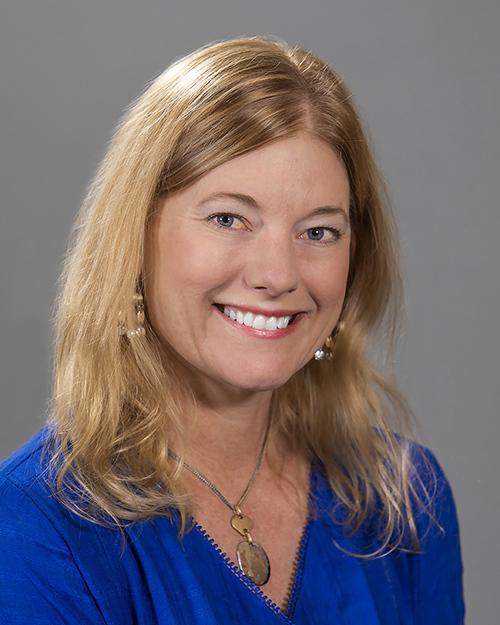
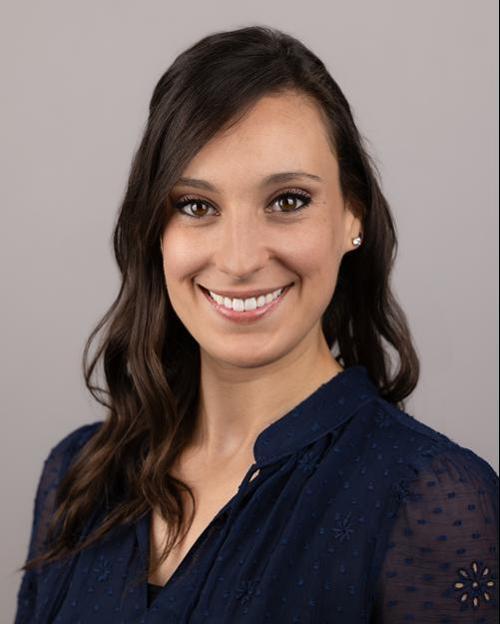
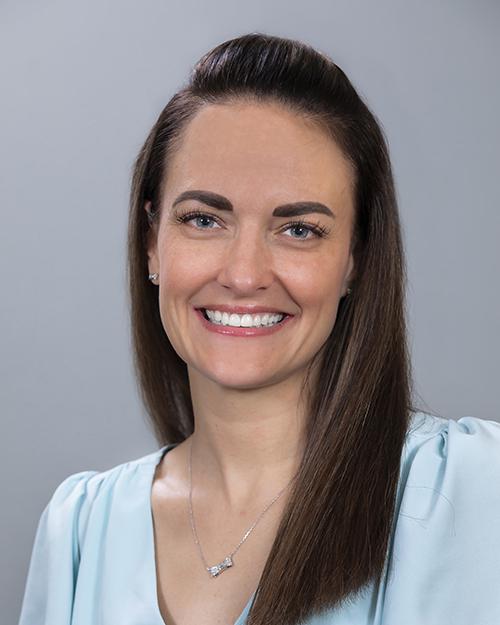
Menopause symptoms can affect every aspect of your life. Our compassionate OB/GYNs and primary care providers are ready to help you manage menopause and the health challenges that come with it — all with a focus on helping you feel comfortable and more in control.
-
Book online
-
Book online
-
Book online
-
Book online
-
Book online
-
Book online

-
-
Book online
-
Book online
-
Book online
-
Book online
-
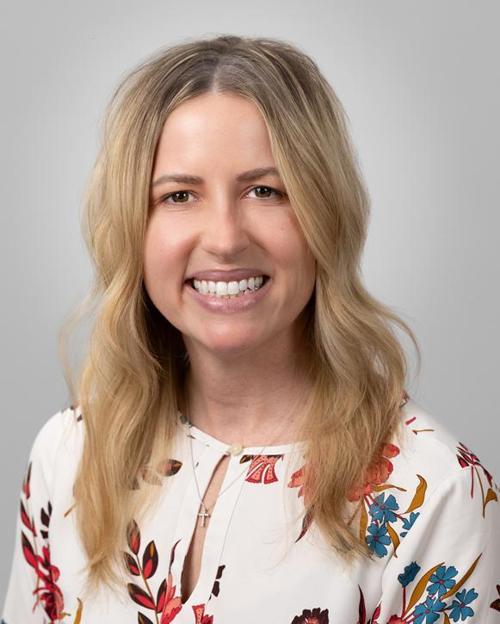
Lauren Victor, FNP
Women's Health, Obstetrics and Gynecology
-
Book online
-
Book online
-
Book online
-
Book online
-
Book online
-
Book online
-
Book online
-
Book online
-
Book online
-
Book online
-
Book online
People also ask
Find answers to frequently asked questions.
Related services & specialties
-

-
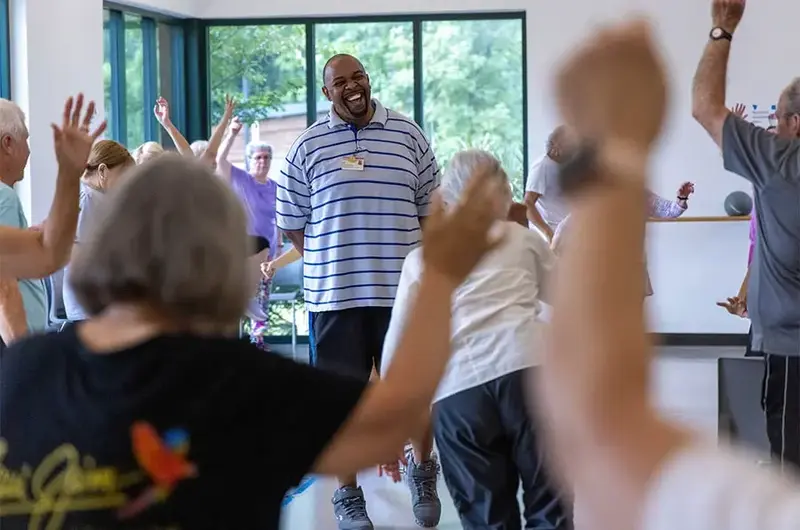 Community Health How fitness classes at Waring Senior Center are helping Charleston seniors stay strong, connected and independent
July 31, 2025
-
-

-

-

-

-

-