Osteoporosis causes bones to become thin and fragile, often without warning until a fracture occurs. That’s why early screening matters. Our bone health specialists offer comprehensive assessments, education and personalized treatment plans to help you understand your risk and take steps to prevent future injuries.
Protecting your bone health
Osteoporosis screenings and treatments
Learn more about how we screen for and treat osteoporosis.
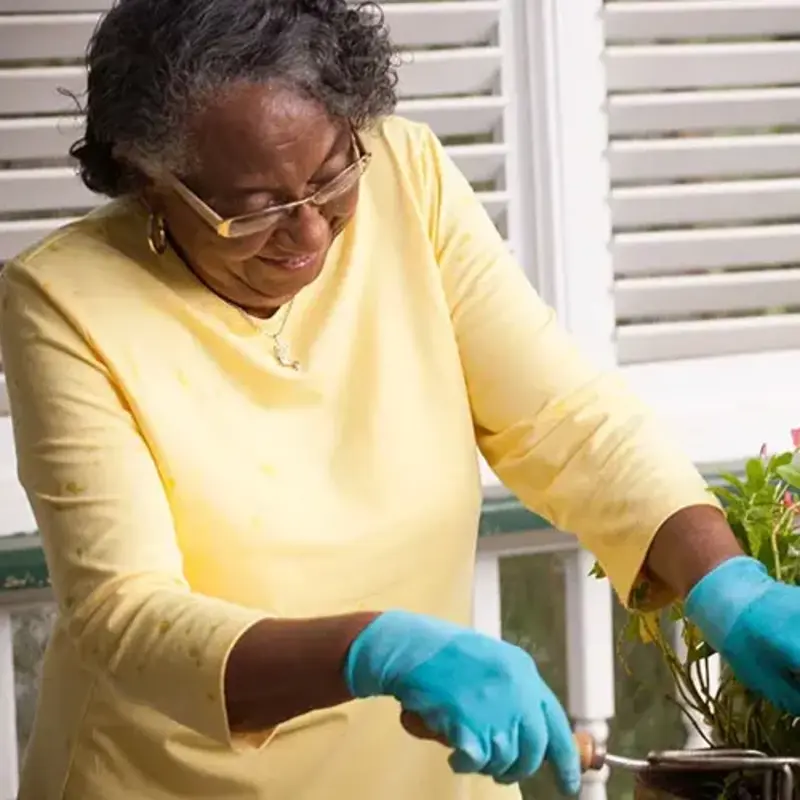
Bone loss doesn’t always come with warning signs, which is why it’s important to understand what may put you at risk. The more you know, the more you can do to protect your bones and stay active.
Things that put you at risk for osteoporosis include:
- Advancing age (50+)
- Alcohol consumption
- Family history ofosteoporosis
- History of hysterectomy
- Lack of exercise
- Long-term steroid use
- Low calcium or vitamin D intake
- Low testosterone in men
- Postmenopausal status in women (going without a menstrual period for at least 12 consecutive months)
- Smoking
- Thin body frame

We recommend screening for:
- Women 65 and older
- Men 70 and older
- People 50 and older who have risk factors or a history of bone fractures
There are two key components of osteoporosis screening:
- Blood tests measure calcium and vitamin D levels. For your body to absorb the calcium that is essential for building strong bones, you need adequate vitamin D levels.
- DEXA scans, a special type of X-ray, measure bone mineral density.
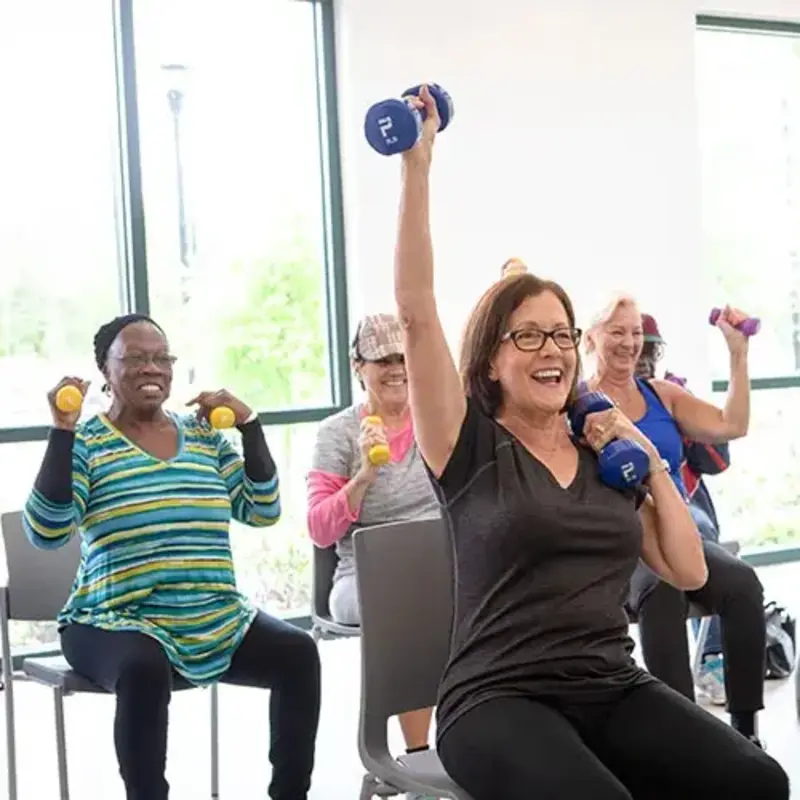
Your screening tests help us understand your risk of osteoporosis and fractures. Our team uses your results to make recommendations to strengthen your bones and reduce your risk of fractures.
Treatments may include:
- Balance therapy
- Fall prevention classes
- Medication
- Muscle-strengthening exercises
- Nutritional guidance
- Stop smoking resources
Ongoing follow-up with repeat testing, as recommended, helps us monitor your condition and meet your treatment goals. If a fracture happens, our orthopedic team offers the latest treatments, including advanced joint replacement for hip fractures.
Your osteoporosis and fracture team
Meet our bone health experts. They’re ready to provide the customized care you need to stay well and independent. Our orthopedic specialists will also work together with endocrinologists, gynecologists and primary care providers to coordinate your care and ensure we address every aspect of your overall health.
People also ask
Get the answers to questions on your mind.
Related services & specialties
-
 Healthy Living Understanding creatine: Dr. McPherson’s view on its role in strength and aging well
November 18, 2025
-

-
-