Pelvic floor disorders are more common than people realize, but they’re not something you simply have to live with. If you’re experiencing bladder leakage, pelvic pressure, bowel changes or discomfort, specialized care can help you feel better. Our specialist is here to listen without judgement and guide you through your options. Together, we’ll help you manage your symptoms and regain your strength.
Supportive care that helps you feel like yourself again
Treatment for pelvic floor disorders
Learn more about the treatments we offer for urogynelogical and pelvic floor issues.

With the right care and support, many pelvic floor conditions can be effectively treated — and we’re here to help. Common conditions we treat include:
- Bladder and bowel fistula: Abnormal connections that develop between your bladder or rectum and vagina
- Fecal incontinence: The inability to control your bowel movements or gas
- Genitourinary developmental disorders: Conditions linked to the incomplete development of your bladder, uterus and vagina
- Overactive bladder: A sudden, hard-to-control urge to urinate
- Pelvic organ prolapse: A loss of support for your bladder, rectum, uterus or vagina that leads to pressure or a visible bulge in your vagina
- Underactive bladder (neurogenic bladder): an inability to empty your bladder that is often linked to other neurological conditions
- Urinary incontinence: Full or partial loss of bladder control that leads to urine leakage

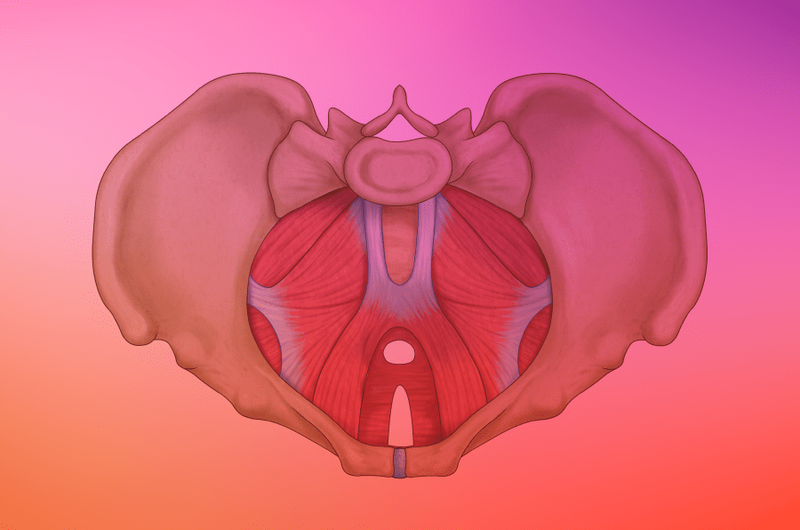
Pelvic floor disorders develop because the muscles and tissues in your pelvis weaken or stretch. This can happen for a variety of reasons, including:
- Aging: Your pelvic floor muscles naturally weaken as you get older.
- Genetics: You may be born with a higher risk of weaker pelvic muscles and tissues.
- Pregnancy: Being pregnant and giving birth (vaginally or by C-section) can strain and weaken your pelvic muscles.
- Pressure on the pelvic floor: Heavy lifting, obesity and straining for a bowel movement increases pressure on your pelvic floor. Over time, your pelvic muscles and tissues weaken.
- Surgery: Pelvic surgery can injure your connective tissues, muscles and nerves, increasing your risk of a pelvic floor disorder.

Choosing the right treatment starts with getting the right diagnosis. Finding the answers you need begins with a thoughtful conversation about your medical history and a physical exam. Based on what we discover, we may recommend:
- Cystoscopy: With this quick, outpatient procedure, we gently insert a small, camera-tipped tube (cystoscope) into your urethra to examine your bladder. This test can reveal blockages, cancer, infections or stones.
- Urodynamic testing: These tests help us measure the pressure in and around your bladder, how much and how fast your urine flows and how well the nerves and muscles in your bladder work.

Every woman, and every experience with a pelvic floor disorder, is unique. That means you deserve a treatment plan that’s tailor-made to meet your health needs. After a comprehensive evaluation of your symptoms and a meaningful discussion of your wellness goals, we work with you to design a customized care plan that helps you feel comfortable, confident and in control.
Your treatment plan may include these nonsurgical options and supportive programs:
- Botox injections to block nerve signals, helping tight overactive bladder muscles relax
- Catheter insertion to make emptying your bladder easier
- Medications, including muscle relaxants, nerve pain medication, stool softeners and bladder spasms medication to manage symptoms
- Pelvic floor therapy to improve your pelvic muscle strength
- Pessary devices that fit inside your vagina to reduce urinary incontinence and improve pelvic prolapse
- Weight loss to improve your urinary incontinence or pelvic organ pressure

When surgery is part of your care, we focus on options that support a smoother, more comfortable recovery. Whenever possible, our team uses minimally invasive techniques designed to reduce pain, lower the risk of complications and help you return to your daily life sooner.
Depending on your condition, your care may include:
- Laparoscopic and robotic prolapse repair to treat pelvic floor disorders with less pain and fewer infections
- Sacral neuromodulation to control urinary and fecal incontinence
- Urethral bulking to improve your bladder control

Meet Dr. Bernard Taylor, urogynecologist
Gerald Bernard Taylor, MD, is a urogynecologist with Roper St. Francis Physician Partners Urogynecology and Pelvic Surgery. With more than two decades of experience treating women with pelvic floor disorders in this specialty, Dr. Taylor is committed to helping women feel comfortable, confident and cared for.
People also ask
Get answers to frequently asked questions.
Related services & specialties
-
 Treatments & Conditions Understanding pelvic floor disorders: causes symptoms and treatments
May 3, 2024
-
-

-