

Your care doesn’t begin and end in the operating room. From your first diagnosis through your full recovery, our team works together to guide your care, so you always know what comes next.
When you need heart surgery, our goal is to find a treatment that gets you back on your feet and feeling healthy as soon as possible — and our coordinated care approach minimizes the number of visits needed and your wait time for treatment.
During minimally invasive procedures, our surgeons access the heart through small incisions made on the side of the chest or abdomen. Using specialized instruments and advanced imaging technology, we can perform a wide range of heart surgeries without separating the breastbone. That means you can often return home within a day or two of your procedure, and you will likely experience less pain and scarring compared to traditional open-heart surgery.
While this technique isn’t appropriate for every condition, our surgeons carefully evaluate you to determine when a minimally invasive approach is the safest and most effective option.
Precision techniques for faster recovery
Advanced care for complex heart conditions
Every care plan is tailored to your specific condition, health goals and lifestyle, ensuring treatment that fits your needs, not a one-size-fits-all approach. Minimally invasive heart surgery is an important component of the cardiology services we offer.
Know what to expect
Learn more about minimally invasive heart surgery procedures and what to expect.
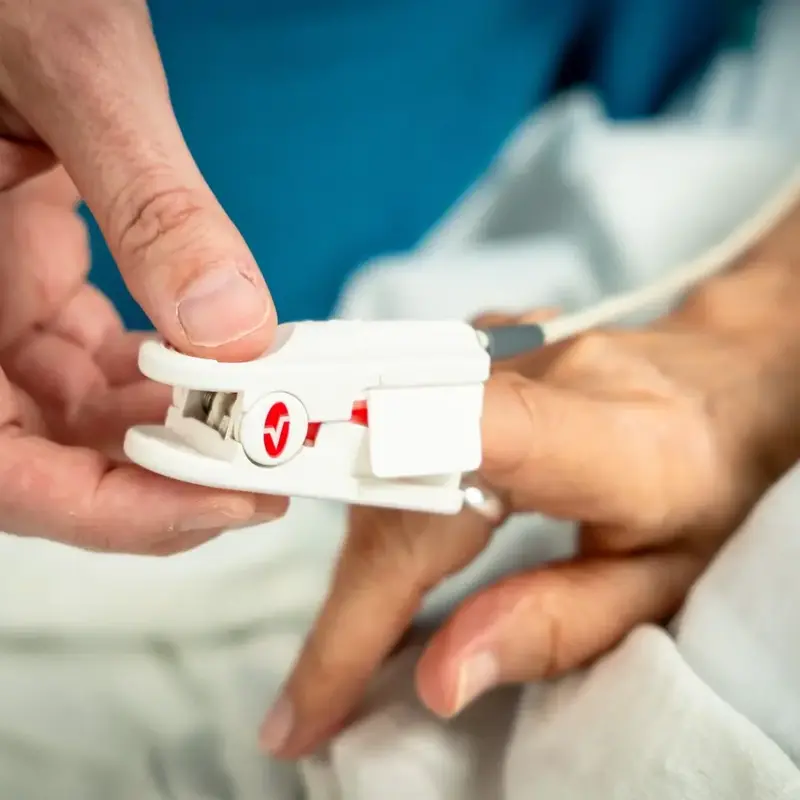
Your care starts with a clear understanding of your condition. Our cardiologists and electrophysiologists use advanced testing and imaging to diagnose your heart problem and determine the safest, most effective treatment approach. Just as important, we take time to explain your condition, review your options and answer every question so you feel informed and confident about what lies ahead.
Preparing for surgery is a team effort. We’ll guide you through important steps, such as medication adjustments, preoperative testing and lifestyle recommendations to help optimize your health before your procedure. You may receive guidance about managing blood thinners, controlling blood pressure, improving nutrition or increasing light activity to strengthen your body for recovery.
Our team also helps you prepare for what to expect on the day of surgery. We’ll review arrival times, fasting instructions and what to bring with you. We also include your loved ones in our conversations, so they understand how to support you during recovery. By the time your surgery day arrives, you’ll know what to expect and will feel ready.
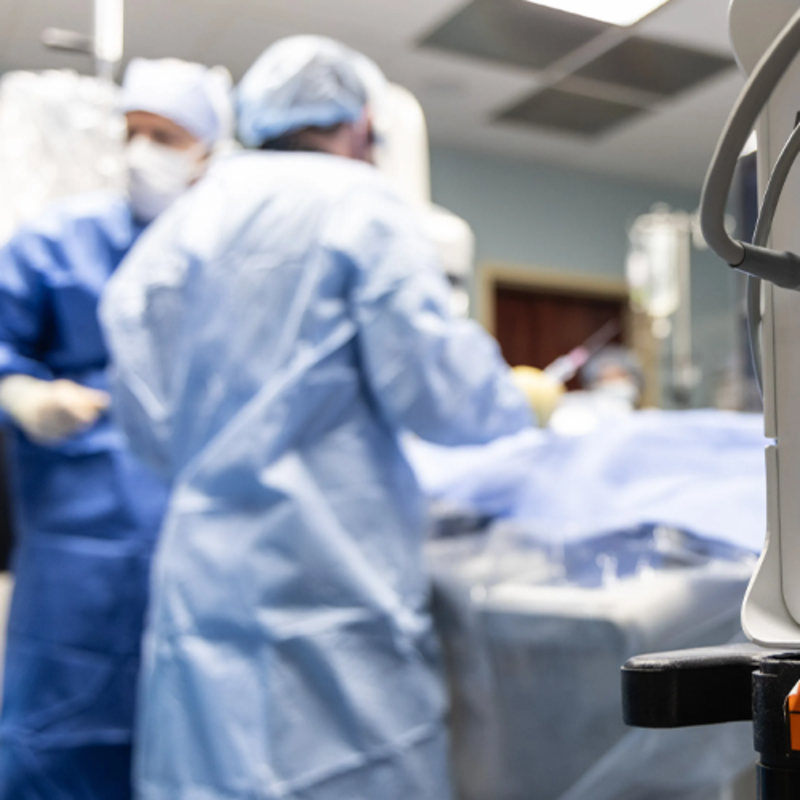
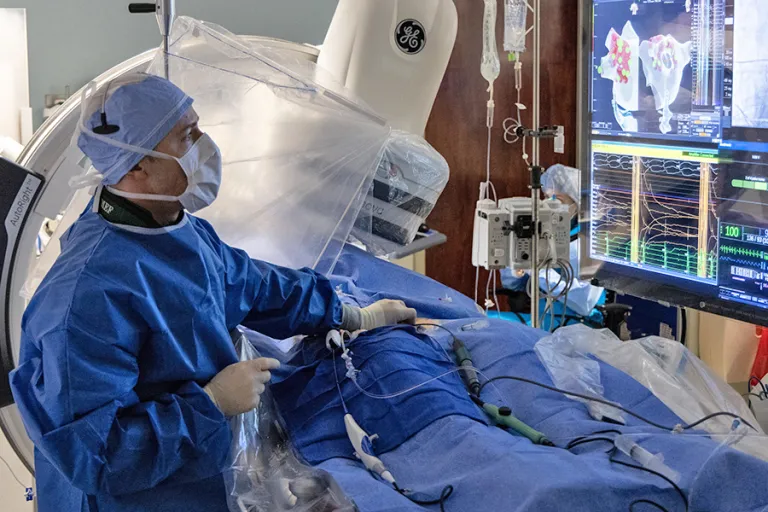
Highly skilled cardiac and cardiothoracic surgeons who specialize in advanced, small-incision techniques will perform your procedure. Instead of opening the breastbone, your surgeon will access your heart through carefully placed incisions on the side of your chest, or in some cases, through a catheter inserted in your wrist or groin.
Using specialized instruments and advanced imaging technology, including high-definition cameras and real-time guidance systems, your surgical team will operate with exceptional precision. These techniques allow us to treat your condition while minimizing disruption to surrounding tissue.
Throughout your procedure, anesthesiologists continuously monitor your heart rate, blood pressure and breathing to keep you safe and comfortable. Specialized nurses and surgical technologists support every step, ensuring everyone works together to the highest safety standards.
Our goal during minimally invasive surgery is simple: to deliver the same—or better—results as traditional open-heart surgery, while promoting less pain, reduced scarring and a smoother recovery.

Recovery is a critical part of your care, and you won’t have to navigate it alone. Nurse navigators and cardiac rehabilitation specialists provide guidance, encouragement and hands-on support as you heal. You can count on us to review your recovery plan with you and your caregiver, so you’re fully prepared for care at home.
Recovery after minimally invasive heart surgery is often faster and more comfortable than traditional open-heart surgery. Because your breastbone remains intact and incisions are smaller, you’ll likely experience less pain, reduced scarring and a shorter hospital stay.
You’ll be encouraged to begin gentle movement early, which helps promote circulation, prevent complications and build strength. In many cases, recovery restrictions are fewer compared to traditional surgery, allowing you to resume light daily activities more quickly.
Before you leave the hospital, your nurse navigator will review your recovery plan with you and your caregiver to help you feel confident about managing care at home. We’ll provide clear instructions on incision care, medications, activity levels and warning signs to watch for.
Your heart surgery team
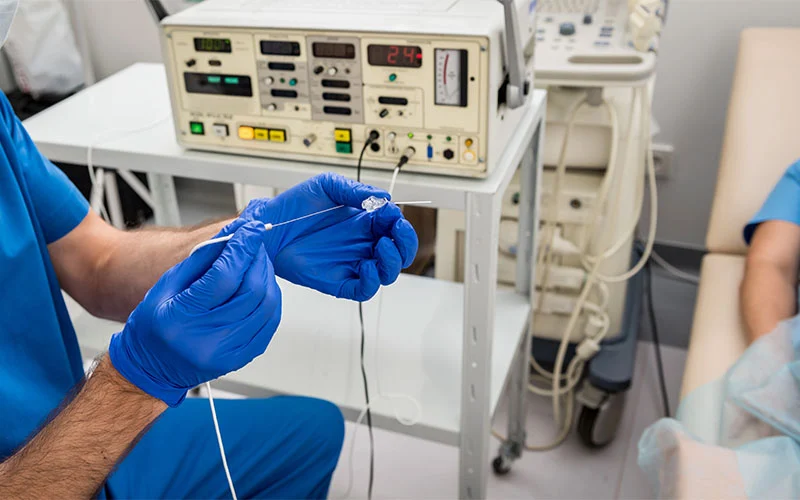
Heart care is strongest when experts work together. Our cardiologists, cardiac surgeons, radiologists, nurses, physician assistants and other specialists team up to review your case and develop an all-around treatment plan. The most experienced team in the region, with more than a decade of expertise in minimally invasive heart surgery, we’re ready to help you heal and get you back to the life you love.
-
-

-

-

-

-

-

-

-

-

-

-

-

-

-

Wills Geils, MD
Cardiology, Interventional Cardiology
-

-

-

-
-

-

-

People also ask
Get answers to frequently asked questions.
Related services & specialties
-

-

-

-

-
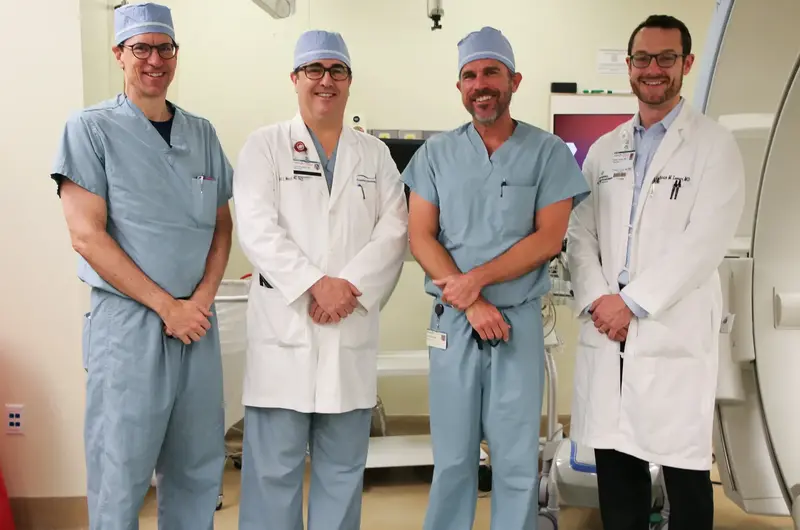 Technology & Innovation Roper St. Francis Healthcare's valve team is committed to minimally invasive valve care
June 1, 2023
-
 Treatments & Conditions What is Peripheral Arterial Disease PAD and its symptoms and treatments?
September 20, 2022
-
 Technology & Innovation Roper St. Francis Healthcare expands robotic surgery options
January 21, 2021