

Roper St. Francis Healthcare is proud to participate in clinical trials serving patients throughout Charleston’s Tricounty area. We work together with biotechnology groups, pharmaceutical companies and government institutions to study new medical advancements and provide more treatment options for our patients. We believe that by working with these organizations we can turn hope into progress, and progress into healing.
About clinical trials
Understanding clinical trials
Learn more about how clinical trials work and what you can can expect as a participant.
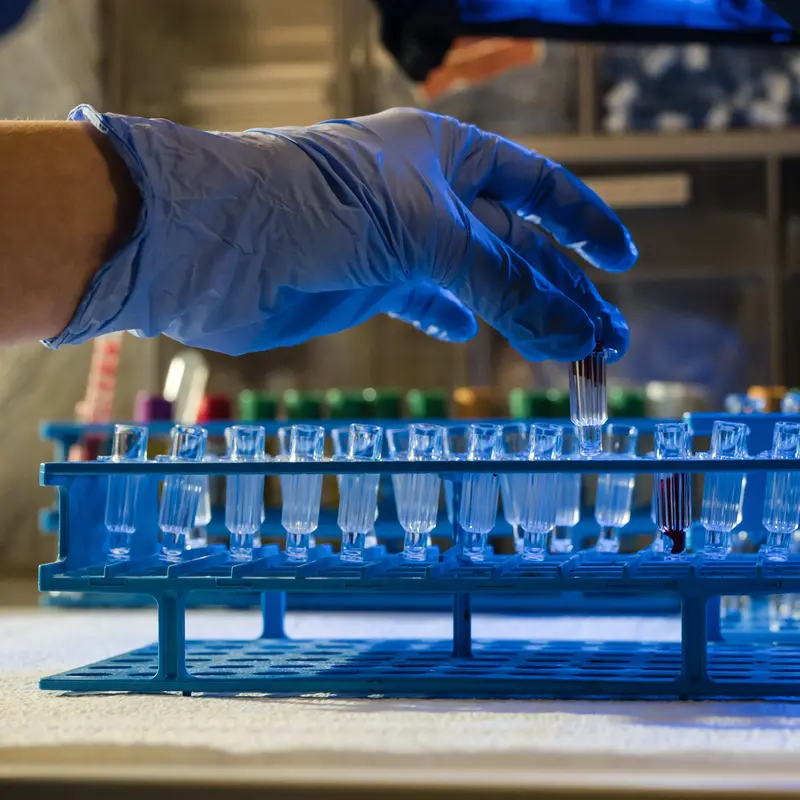
Clinical trials are studies designed to help find new ways to detect, prevent, and treat illnesses or medical conditions in people. Promising medical advances are studied in small groups of people to determine whether the advances are safe and effective for use in the general public. People may volunteer to take part in clinical trials for a number of reasons. Some volunteer to help increase medical knowledge and improve future healthcare for others. Some participate to gain access to new or improved drugs, therapies, biological products, surgical and radiological procedures, medical devices, behavioral treatments or preventive care. Read more about clinical trial basics from the National Institute of Health.

Before you officially agree to participate in a clinical trial, your doctor or the study staff will explain what the trial is about and answer your questions. You’ll learn how long it will last, what sorts of treatments or tests are involved, the benefits and risks of participating and how we support and keep you safe. You may have more exams or tests than usual, or you may need to change or stop your current medication. If you agree to participate, you’ll need to sign consent documents indicating your decision to take part.
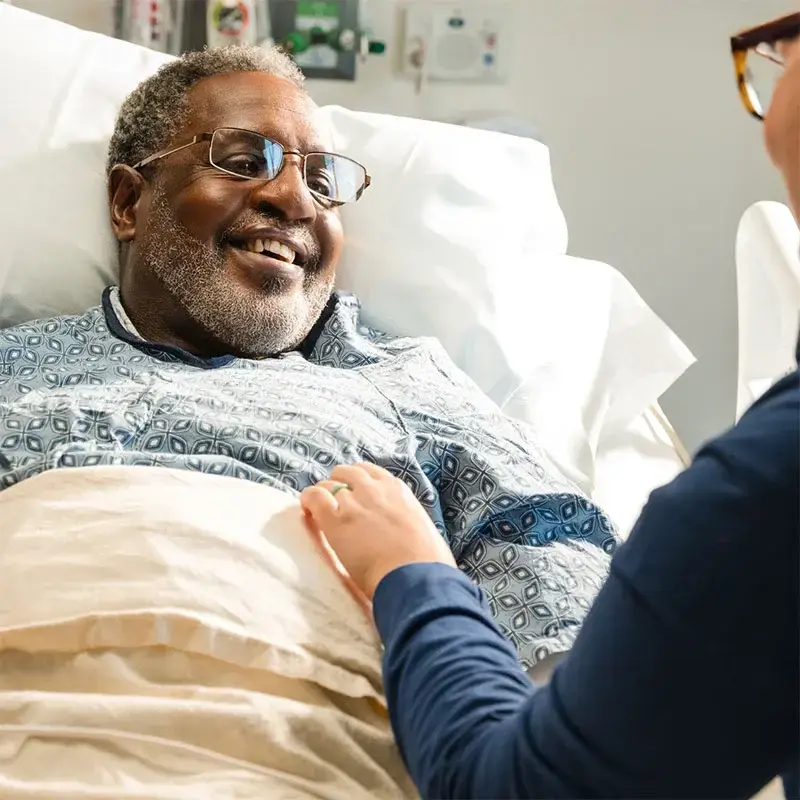
If you choose to participate in a clinical trial, there will be several measures in place to help keep you safe. Most importantly, clinical trials are always voluntary, and you can choose to stop at any time. Clinical trials are reviewed and approved by government agencies and an institutional review board (IRB), which is made up of doctors, researchers and members of the community who review how the trial will be conducted and make sure it is ethical and safe. Some trials have an additional committee of independent experts who monitor the study for safety and integrity. Also, patients are always given the key facts about a trial and given the chance to ask and receive answers to any questions before participating, so you know exactly what you’re agreeing to.

The sponsor of the study covers the cost of all procedures and services that are required solely for research purposes. Costs for your regular medical care would be subject to copays, deductibles, and co-insurance per your medical insurance plan. Before participating, ask your doctor or study staff about which costs are covered, and contact your insurance company to see if your health plan covers routine patient care costs for people taking part in clinical trials.
Clinical trial FAQs
Find answers to frequently asked questions about clinical trials.