Your form submission was successful
A simple scan that could change what comes next
Lung cancer is the leading cause of cancer-related deaths in the United States, in part because it often develops without symptoms. With a low-dose CT scan, we can detect nodules as small as a grain of rice, often before you would notice anything at all and before it has a chance to spread. When caught early, survival rates are significantly higher, and treatment can begin sooner.
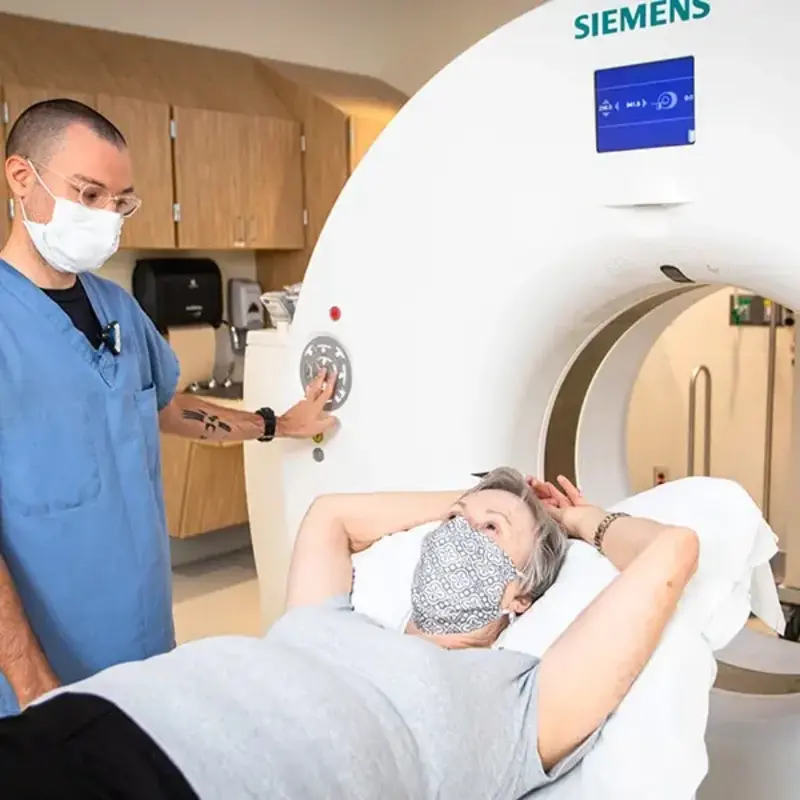
The screening itself is quick and easy. The scan takes less than 30 seconds and is completely painless. We’ll walk you through your risk, explain what to expect and make sure you feel informed and confident about your next steps.

You should have a low-dose CT scan for lung cancer screening if you:
- Are between 50 and 80 years old
- Have a 20-pack-year or more smoking history
- Smoke now or have quit within the past 15 years
A “pack-year” is any combination of packs of cigarettes and years that equals 20. For example, it could be 1 pack per day for 20 years or 2 packs per day for 10 years.
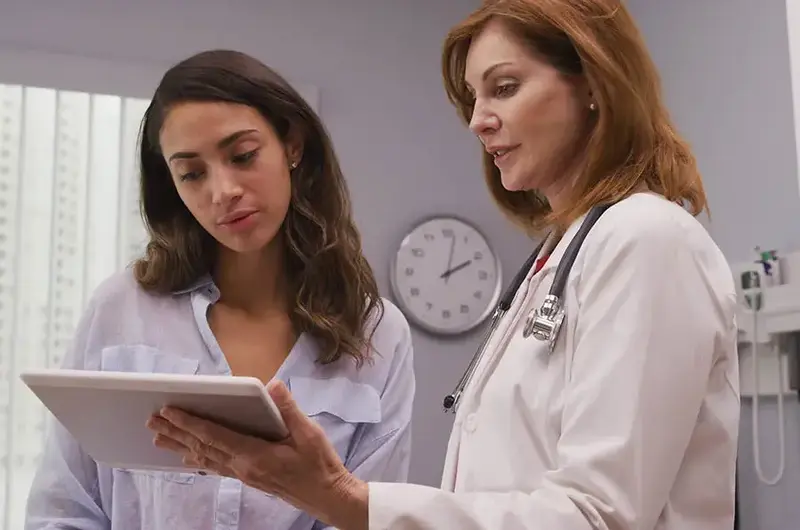
If you believe you may be at high risk, your physician can help you determine if a screening is right for you and provide the referral you need.
Early detection and advanced follow-up care
A low-dose CT scan is an imaging test that uses minimal radiation to create detailed images of your lungs. The scan itself takes only seconds, and the full visit typically takes about 30 minutes.
During your scan, you may hear a low whirling sound as the scanner rotates. If a nodule is found, early evaluation can help you move forward with clarity.
At Roper St. Francis Healthcare, we offer Ion robot-assisted biopsy, a minimally invasive technology that allows doctors to reach even very small or difficult-to-access nodules across all 18 sections of the lungs.
This approach can help avoid the traditional “watch and wait” period and allows for earlier answers. The biopsy procedure typically takes 1 hour or less, and many patients can return home the same day.
Your lung cancer screening team
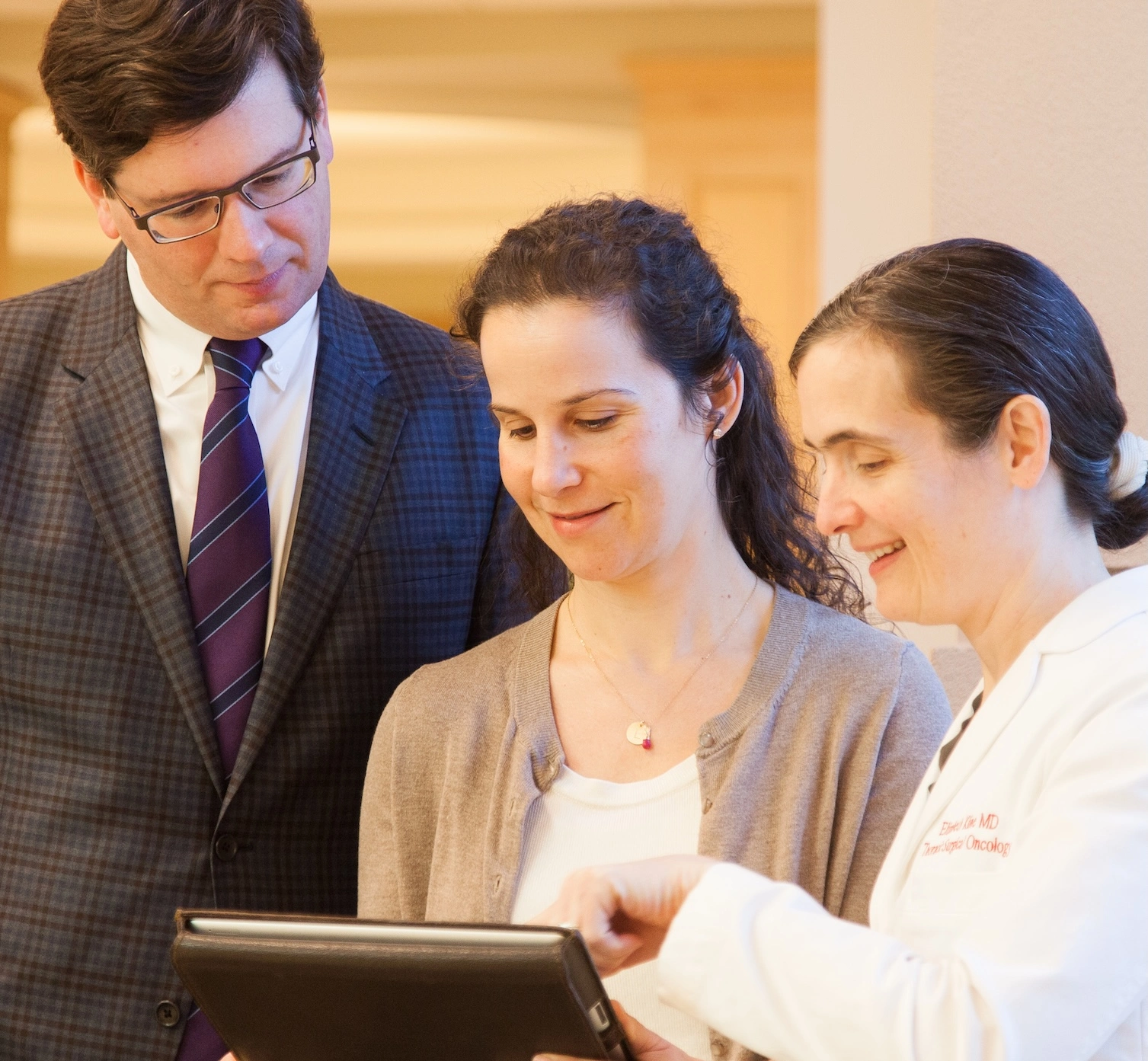
From your first scan to deciding on next steps, you’ll have a team focused on guiding you through each step with clarity. Our experienced technologists and radiologists work together to make your testing experience easy and get you the answers you need.
CT lung cancer screening locations
You shouldn’t have to travel far for important preventive care. That’s why we offer lung cancer screening at locations across the community, with appointment times designed to fit your schedule. With a fast, noninvasive scan and a streamlined visit, getting screened is simple, convenient and close to home.
-
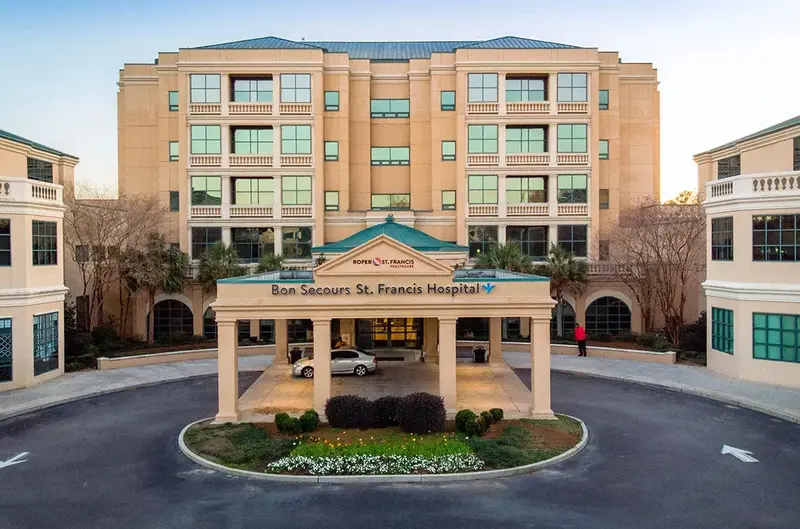
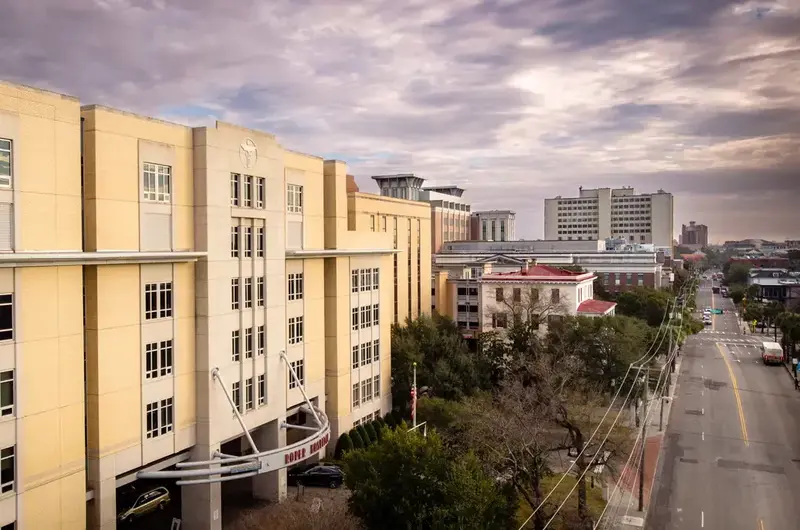
Open 24 hoursBon Secours St. Francis Hospital
2095 Henry Tecklenburg Dr
Charleston, SC 29414-5733843-402-1000
-

-
-
-
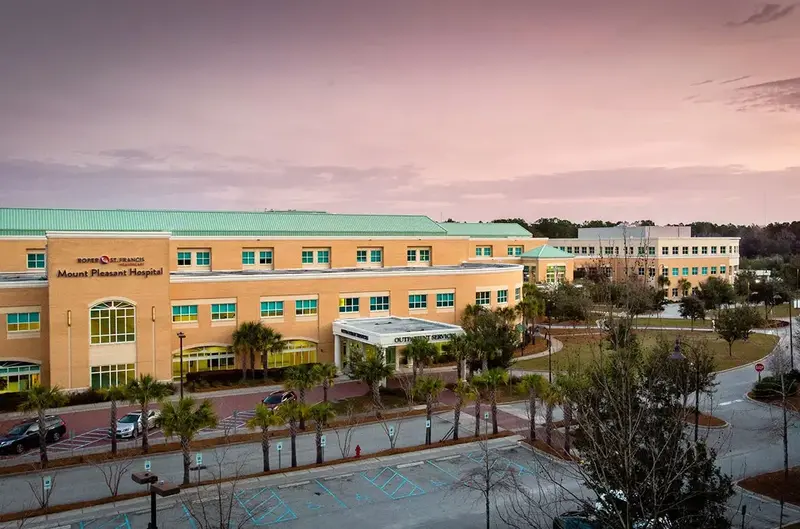
Open 24 hoursMount Pleasant Hospital
3500 Highway 17 North
Mount Pleasant, SC 29466-9123843-606-7000
People also ask
Talk with your provider about your risk level and ask for a referral if you meet screening criteria. If you do not have a doctor, we can help connect you with one.
No special preparation is needed, but you should let the care team know if you are or might be pregnant.
During the test, you will lie on a table that’s attached to the CT scanner. When you’re ready, the table will slide into the scanner's opening while a cylinder rotates around your body to capture images. You will be asked to hold your breath for about 15 seconds while images are taken. Be sure to hold completely still while your lungs are being scanned to avoid the need for repeat images.
As the scanner is working, you will be alone in the exam room. But the technologist will watch you through a window, and you will always be able to communicate through an intercom.
The scan takes only a few seconds, but please allow 30 minutes for the entire examination.
After your scan, your results are sent directly to your doctor, who will explain them, answer your questions and discuss whether any additional testing or treatment is needed.
Until recently, patients with a nodule were often told to “watch and wait” to see if the nodule grew. A biopsy required open surgery, and many nodules were too small to biopsy or too difficult to reach. Today, thanks to minimally invasive Ion technology, we can biopsy even the smallest nodules in all 18 lung sections. For many patients, this eliminates the “watch and wait” phase and allows us to identify cancer at its earliest stages, leading to better outcomes.
The biopsy procedure takes just one hour or less, and patients often return home the same day.
While you’re under anesthesia, your doctor places a small tube through your mouth and down your throat to reach the nodule. If the nodule is benign, you’ll have that peace of mind right away. If it is cancerous, your team can move forward quickly with a clear treatment plan.
Similar specialties
-
Advanced imaging and expert interpretation for accurate diagnosis.
Get started with lung cancer screening
If you meet the screening criteria, scheduling now can help you take a proactive step toward protecting your health. We’re here to guide you through the process and make getting screened as simple as possible.
Trending topics
-
Healthy Living A primary care doctor’s best advice before your first visitJuly 23, 2026 3 Minute Read
-
-
-
Treatments & Conditions Simple stretches and exercises to improve your golf or tennis gameMay 27, 2026
-

Healthy Living Understanding Hypertension: Causes, Symptoms, and ManagementMarch 10, 2026 5 Minute Read
-
Healthy Living Nutrition Basics: Building a Balanced Diet for Optimal HealthMarch 1, 2026 5 Minute Read
-
Treatments & Conditions A high-pressure situation: Is this chest discomfort the sign of a heart attack or merely indigestionFebruary 13, 2026
-
-
-

-
-

Healthy Living Understanding creatine: Dr. McPherson’s view on its role in strength and aging wellNovember 18, 2025
-

Treatments & Conditions Enjoying the holidays with diabetes: Tips for a healthy happy seasonNovember 13, 2025