
As a trusted provider in the greater Charleston area, we offer advanced colon cancer screening, innovative treatment options, and access to internationally recognized colorectal surgeons. Whether you’re coming in for a routine colonoscopy or navigating a new diagnosis, our team provides clear guidance, coordinated care, and steady support at every step.
Our approach
What you need to know about colorectal cancer
Colorectal cancer is one of the most common, and most preventable, cancers when detected early.
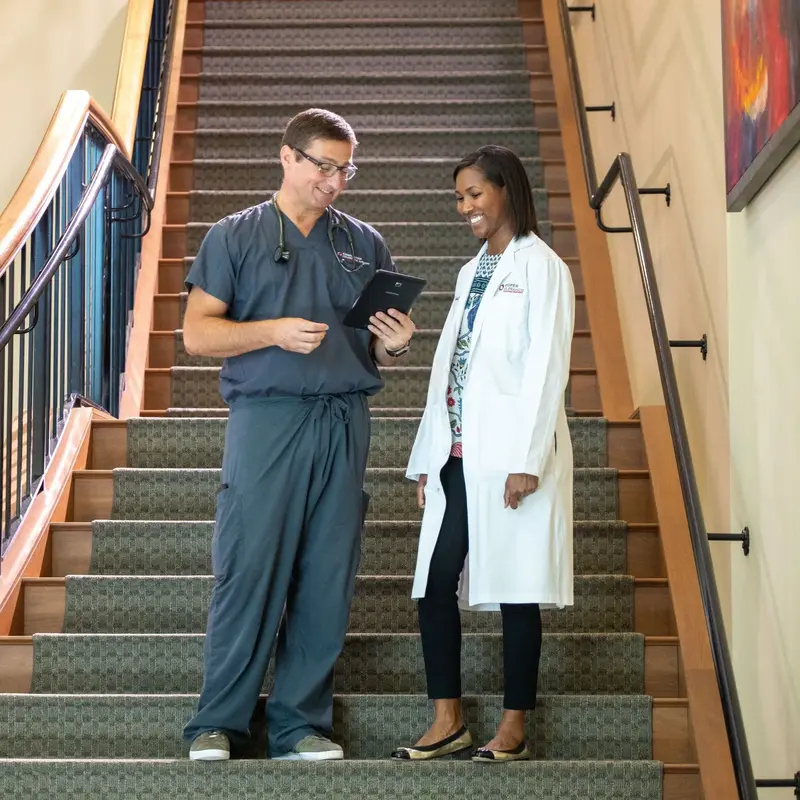
Our team provides thoughtful, thorough evaluations and personalized care plans designed around your needs for a wide range of conditions, including:
- Colon cancer
- Hereditary colorectal cancer syndromes
- Inflammatory bowel diseases, such as Crohn’s disease and ulcerative colitis
- Precancerous polyps
- Rectal cancer
Colon cancer is the country’s second leading cause of cancer death, but the good news is this cancer is often preventable and highly treatable if caught early.
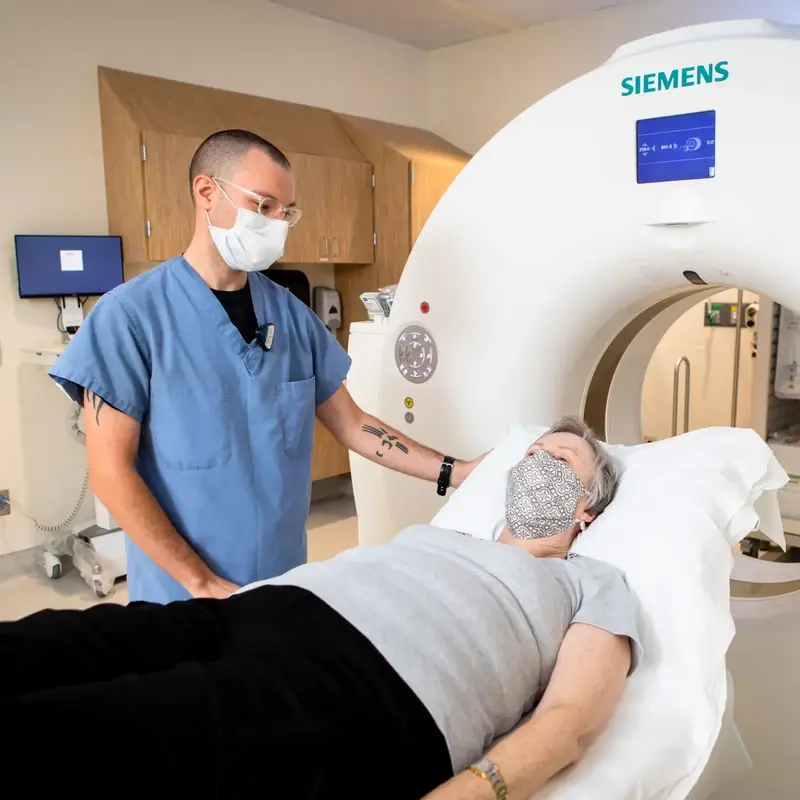
By understanding the full picture of your health, we’re able to detect concerns earlier, personalize your care and guide you toward the most effective treatment path. Taking the first step toward screening can feel daunting, but it’s also one of the most powerful things you can do for your health. Colorectal cancer often begins as small growths called polyps that can be removed before they become cancerous. When colon and rectal cancers are found early, there is almost a 90% chance of a cure. Most adults should begin screening at age 45, or earlier, with increased risk.
We use several tests to screen for or diagnose colorectal cancer, including:
- Colonoscopy
- Digital rectal exam
- Fecal tests, including occult blood test(FOBT), immunohistochemical test (FIT)or DNA test (Cologuard)
- Sigmoidoscopy
If polyps are found, we offer:
- Biopsy to confirm whether cancer is present
- Imaging such as CT, MRI or double contrast barium enema (DCBE)to understand if cancer has spread
Once your diagnosis is confirmed, our multidisciplinary team carefully reviews your case and designs a treatment plan tailored specifically to you.
Your care should feel as personal as it is precise. That’s why we tailor every colorectal cancer treatment plan to reflect your unique needs, preferences and goals. Treatment depends on several factors, particularly the stage of the cancer, how far it has progressed and whether it has spread to nearby lymph nodes or other parts of the body.
In many cases, surgery is the primary treatment, often combined with additional therapies to ensure the best possible outcome. Depending on your diagnosis, your care may include:
- Adjuvant chemotherapy
- Chemoprophylaxis to prevent future colorectal cancers
- Polypectomy
- Radiation therapy when appropriate
- Surgical resection (removal) of part of the colon or rectum, most often without a permanent colostomy
If the cancer is advanced or recurs, treatment may include:
- Biological therapy
- Chemotherapy
- Interventional techniques such as radiofrequency ablation, chemo or radioembolization (TrueBeam®)
- Surgical resection
We take time to sit with you, answer your questions and guide you through each option so you can move forward with understanding, trust and peace of mind.
Advanced technology can make a meaningful difference in your healing. We’re proud to lead the region in robotic colorectal surgery, offering a more precise, minimally invasive approach that supports a smoother recovery.
This approach may offer:
- Faster recovery times
- Less pain and scarring
- Shorter hospital stays
- Smaller incisions
Our colorectal surgeons are specially trained in these advanced techniques, combining innovation with a steady, compassionate hand.

A diagnosis can affect more than your physical health. We provide guidance and support to help you navigate each phase of care with confidence, so you never feel alone in the process.
Our resources include:
- Cancer prevention and screenings to help you stay proactive about your health.
- Cancer survivorship program (THRIVE) to help you transition from treatment to active living
- Free legal clinic to provide guidance on documents like healthcare powers of attorney and living wills
- Healing Boutique offers products and services like wig fittings and comfort items
- Music therapy services to reduce anxiety and support emotional healing
- Smoking cessation program to provide the tools and support you need to quit tobacco
Your cancer care team
Our multidisciplinary cancer care approach brings together a dedicated team of colon cancer specialists in Charleston who are deeply committed to listening, guiding and supporting you through every stage of care.
- Colorectal surgeons
- Medical oncologists
- Nurse navigators and support teams
- Radiologists and pathologists
- Radiation oncologists
-
 Accepting New Patients
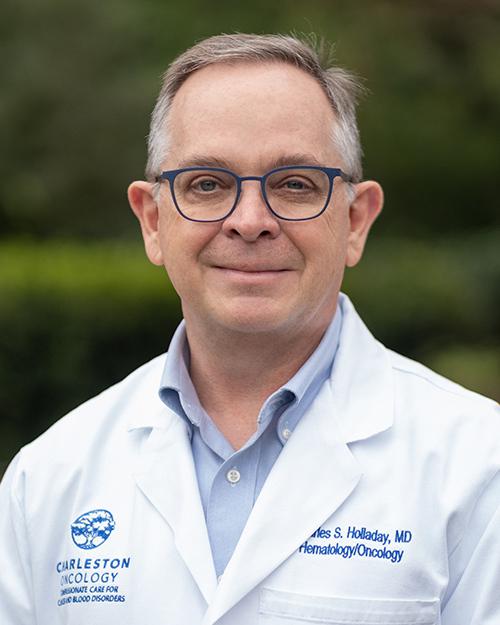
Charles S. Holladay, MD
Hematology Oncology, Benign Hematology, Hematology, Medical Oncology, Gastrointestinal Medical Oncology, Neuro-Oncology, Head and Neck Medical Oncology, Thoracic Medical Oncology, Sarcoma Medical Oncology
-
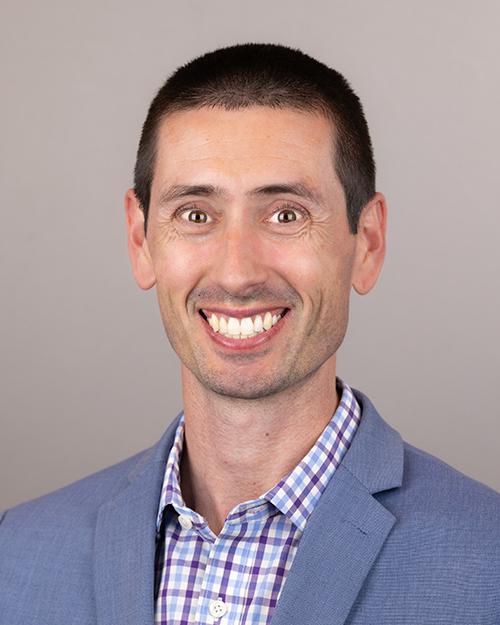
Brian Beaty, MD
Radiation Oncology
-
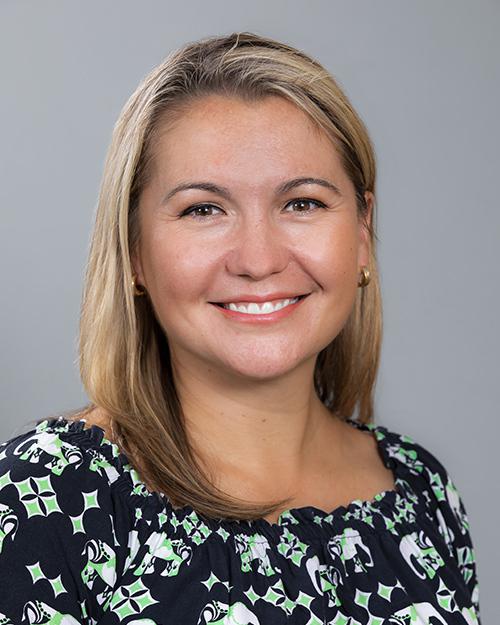
Annette Cruz, PAC
Radiation Oncology
-
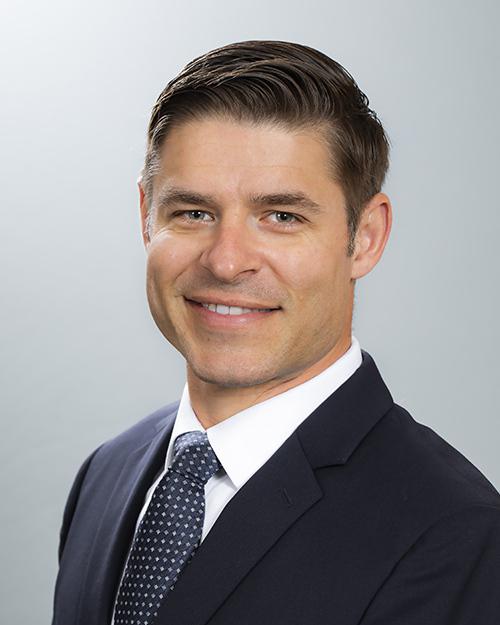 Accepting New Patients
Gabriel Chedister, MD
Colon and Rectal Surgical Oncology, Colon and Rectal Surgery
-
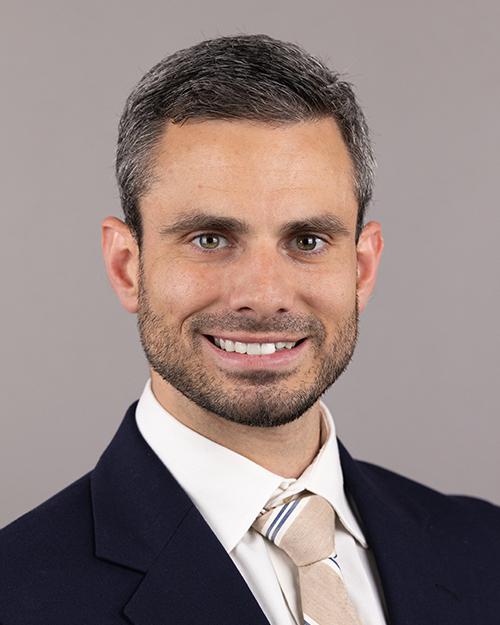
Bradley DePaoli, MD
Radiation Oncology
-
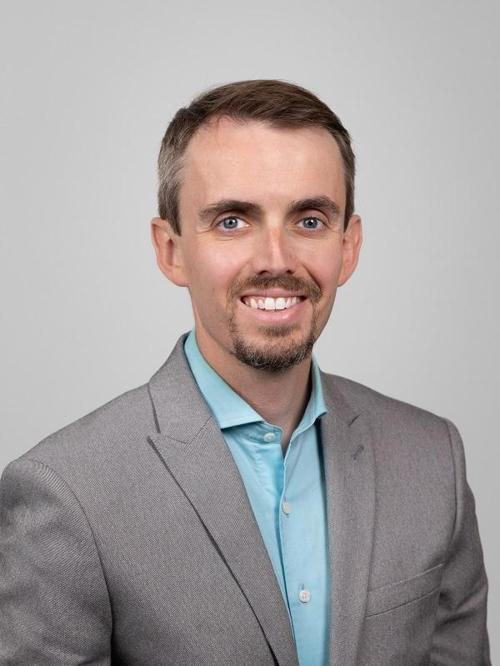
Stephen Ramey Sr., MD
Radiation Oncology
-
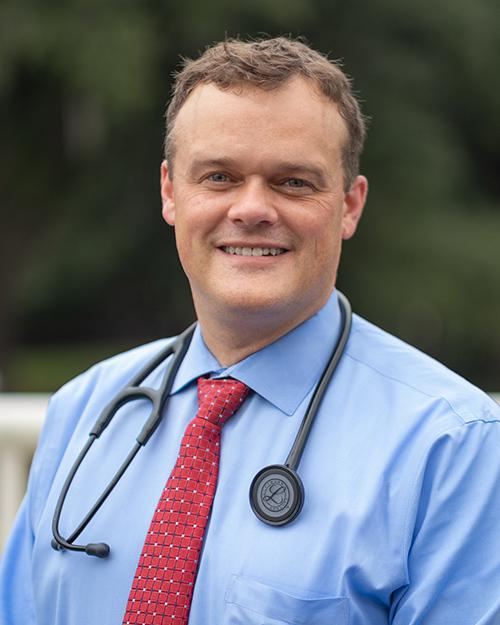 Accepting New Patients
Brian Lingerfelt, MD
Hematology Oncology, Benign Hematology, Hematology, Medical Oncology, Breast Medical Oncology, Urologic Oncology, Gastrointestinal Medical Oncology, Neuro-Oncology, Head and Neck Medical Oncology, Thoracic Medical Oncology
-
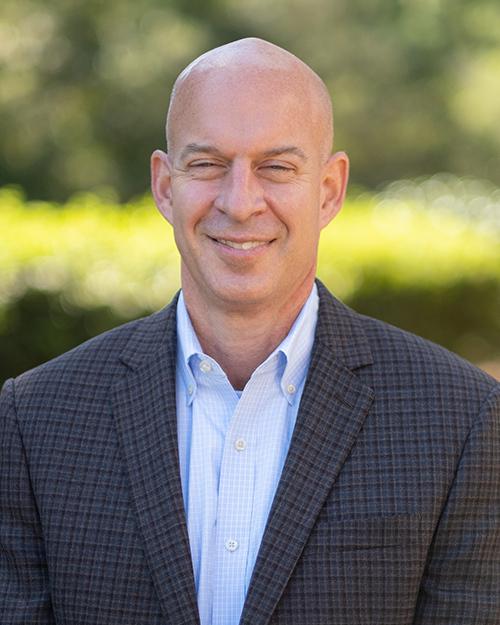 Accepting New Patients
Douglas Michaelsen, MD
Hematology Oncology, Benign Hematology, Hematology, Medical Oncology, Urologic Oncology, Gastrointestinal Medical Oncology, Neuro-Oncology, Cutaneous (Skin) Medical Oncology, Head and Neck Medical Oncology, Thoracic Medical Oncology, Sarcoma Medical Oncology
-
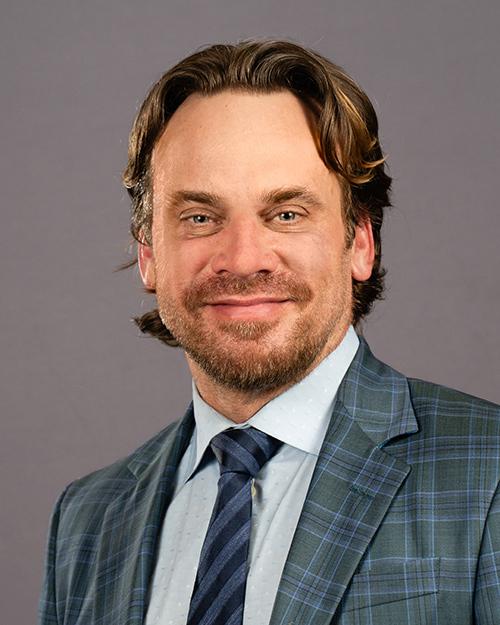 Accepting New Patients
Gene Saylors, MD
Hematology Oncology, Benign Hematology, Hematology, Medical Oncology, Breast Medical Oncology, Gastrointestinal Medical Oncology, Cutaneous (Skin) Medical Oncology, Thoracic Medical Oncology
-
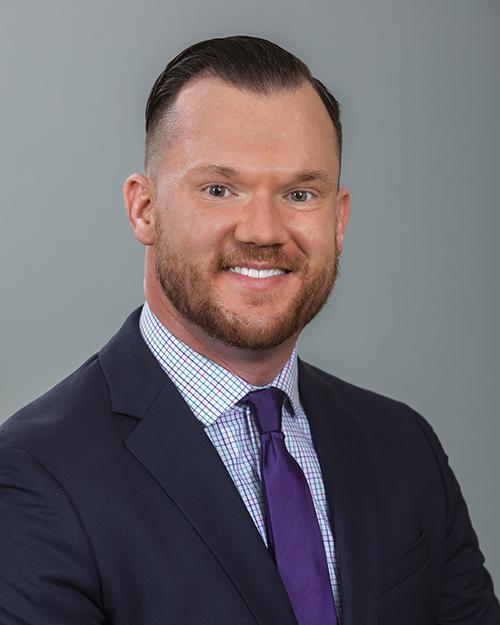
Brandon Gates, FNP
Colon and Rectal Surgical Oncology, Colon and Rectal Surgery
-
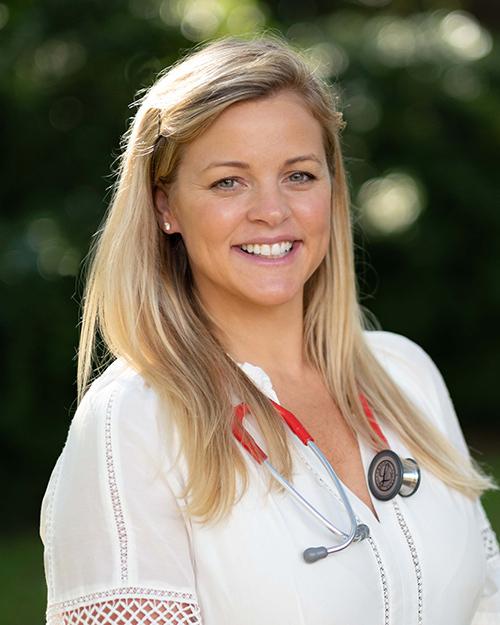 Accepting New Patients
Shelly Shand, MD
Medical Oncology, Hematology, Benign Hematology, Hematology Oncology, Breast Medical Oncology, Gastrointestinal Medical Oncology, Cutaneous (Skin) Medical Oncology, Head and Neck Medical Oncology
-
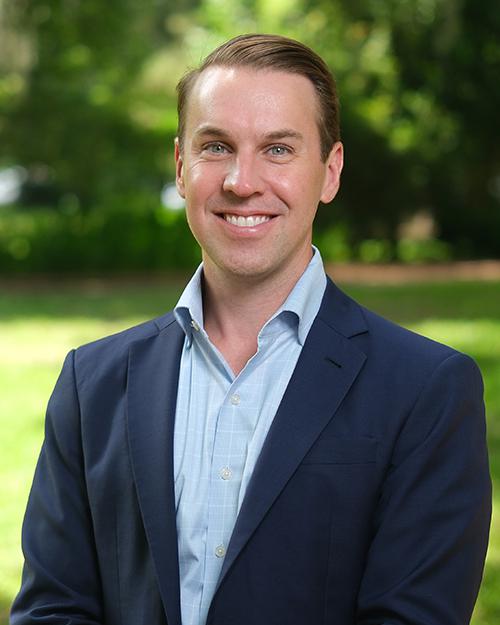 Accepting New Patients
Brian Greenwell, MD
Blood and Marrow Transplant, Hematology Oncology, Benign Hematology, Hematology, Medical Oncology, Gastrointestinal Medical Oncology, Thoracic Medical Oncology
-
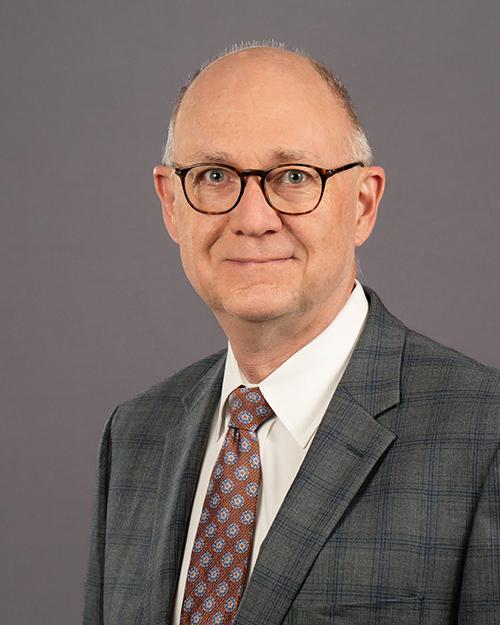 Accepting New Patients
George Geils Jr., MD
Blood and Marrow Transplant, Hematology Oncology, Benign Hematology, Hematology, Medical Oncology, Gastrointestinal Medical Oncology, Thoracic Medical Oncology
-
-
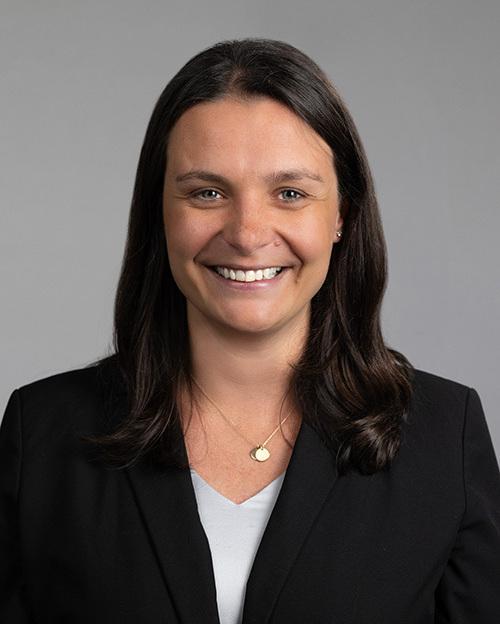
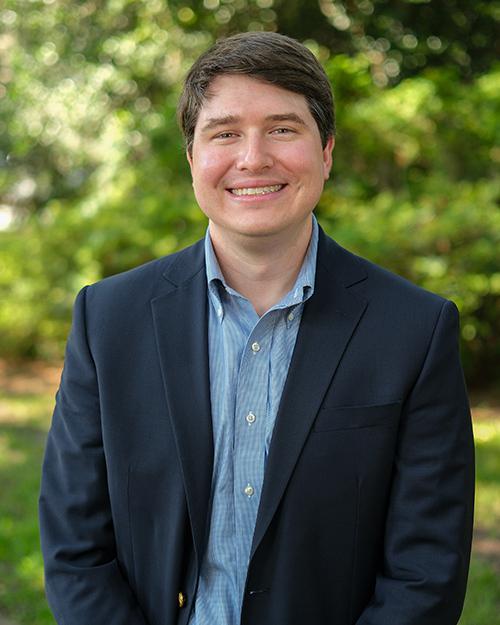 Accepting New Patients
Nicholas Schmidt Jr., MD
Benign Hematology, Hematology, Medical Oncology, Hematology Oncology, Breast Medical Oncology, Urologic Oncology, Gastrointestinal Medical Oncology, Neuro-Oncology, Thoracic Medical Oncology
-
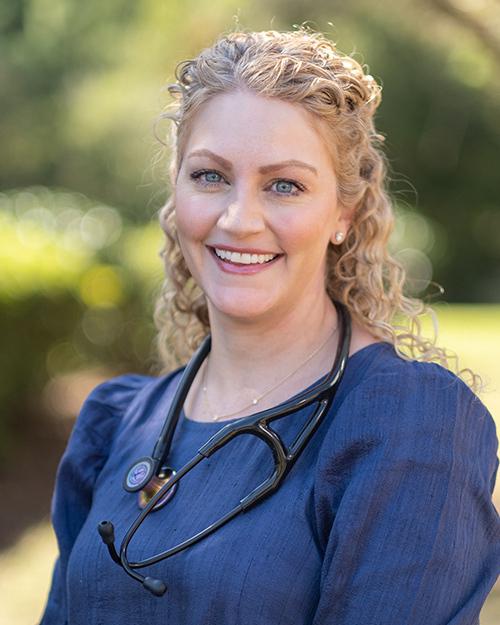 Accepting New Patients
Ashley Jeter, MD
Benign Hematology, Hematology, Medical Oncology, Hematology Oncology, Breast Medical Oncology, Urologic Oncology, Gastrointestinal Medical Oncology, Cutaneous (Skin) Medical Oncology, Head and Neck Medical Oncology, Thoracic Medical Oncology
-
-
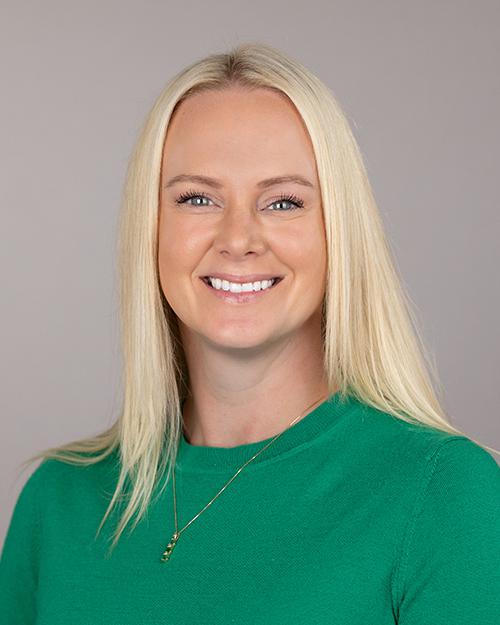
Heather Inch, AGACNP-BC
Colon and Rectal Surgery
-
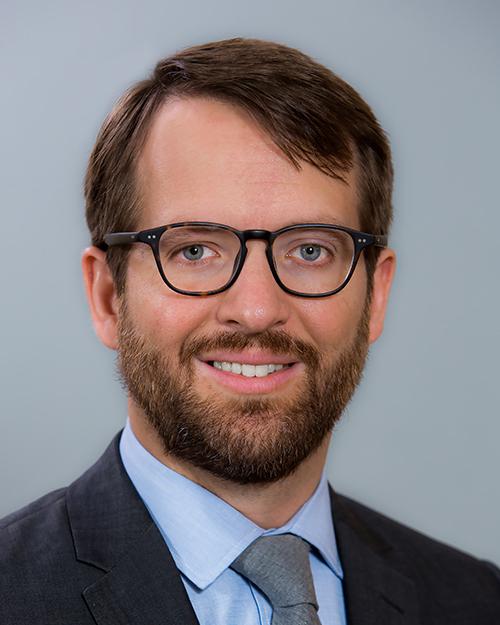 Accepting New Patients
Bernardo Franssen Canovas, MD
Breast Surgical Oncology, Breast Surgery, Surgical Oncology
-
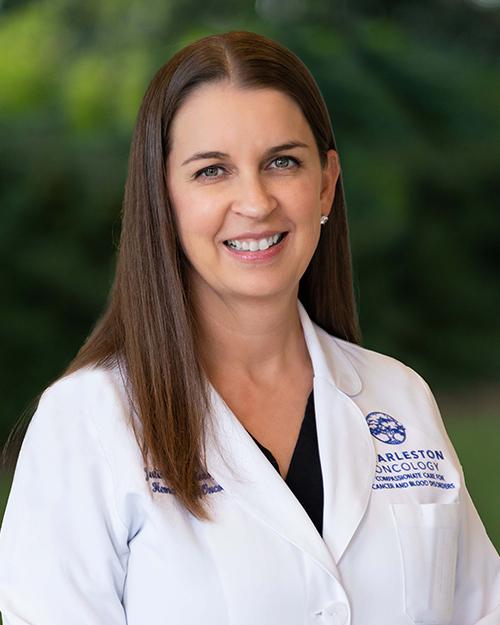 Accepting New Patients
Julia Saylors, MD
Hematology Oncology, Benign Hematology, Hematology, Medical Oncology, Breast Medical Oncology, Urologic Oncology, Gastrointestinal Medical Oncology, Cutaneous (Skin) Medical Oncology, Head and Neck Medical Oncology, Thoracic Medical Oncology
-
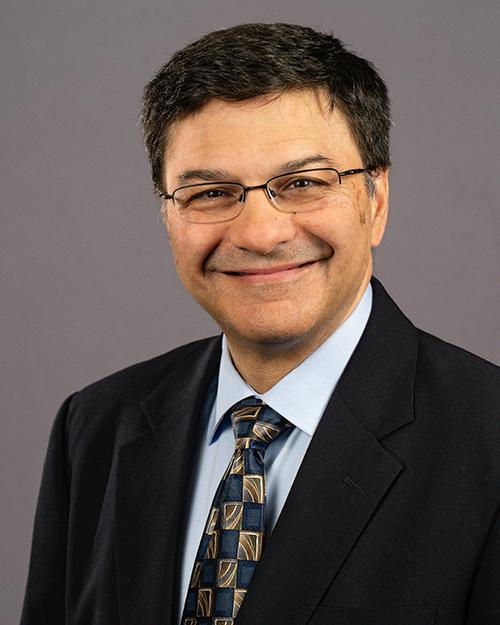 Accepting New Patients
Anthony Firilas, MD
Colon and Rectal Surgical Oncology, Colon and Rectal Surgery
-
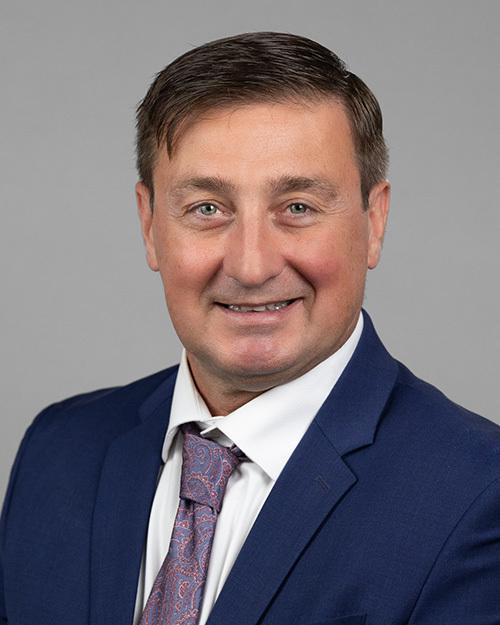 Accepting New Patients
Jorge Lagares-Garcia, MD
Colon and Rectal Surgical Oncology, Colon and Rectal Surgery
-
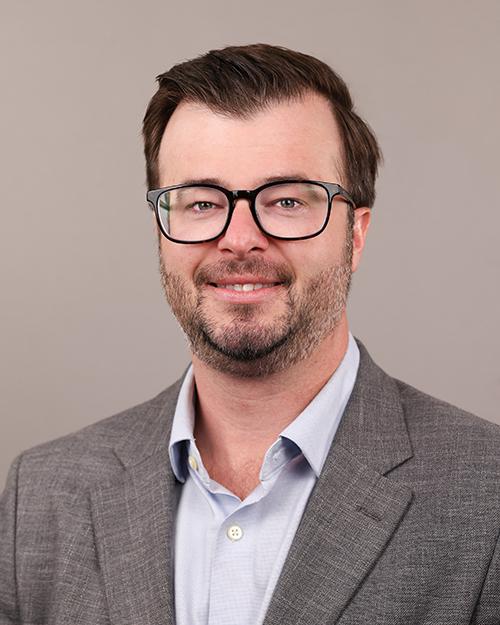
Michael Hall, MD
Radiation Oncology
-
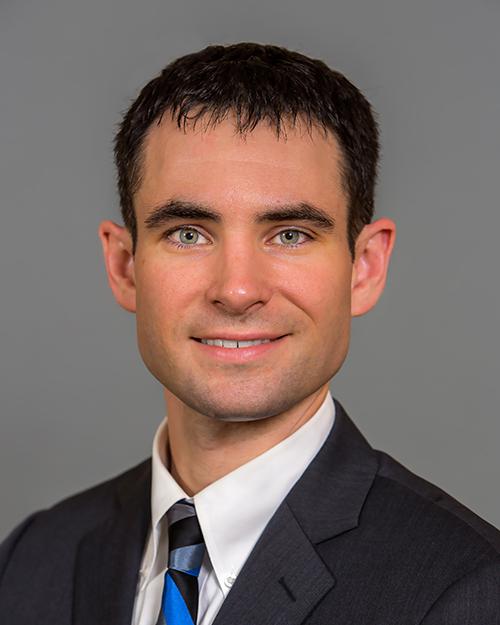 Accepting New Patients
Daniel Kirchoff, MD
Breast Surgical Oncology, Breast Surgery, Surgical Oncology
People also ask
Get the answer to commonly asked questions about colorectal cancer.
Related services & specialties
-
 Technology & Innovation Trailblazing cancer care: CAR T-cell therapy arrives at Roper St. Francis Healthcare
March 19, 2026
-
 Our Stories Integrating plastic and reconstructive surgery into colorectal cancer care
March 6, 2026
-
 Treatments & Conditions The colonoscopy procedure: What you need to know for a healthy future
February 12, 2025
-
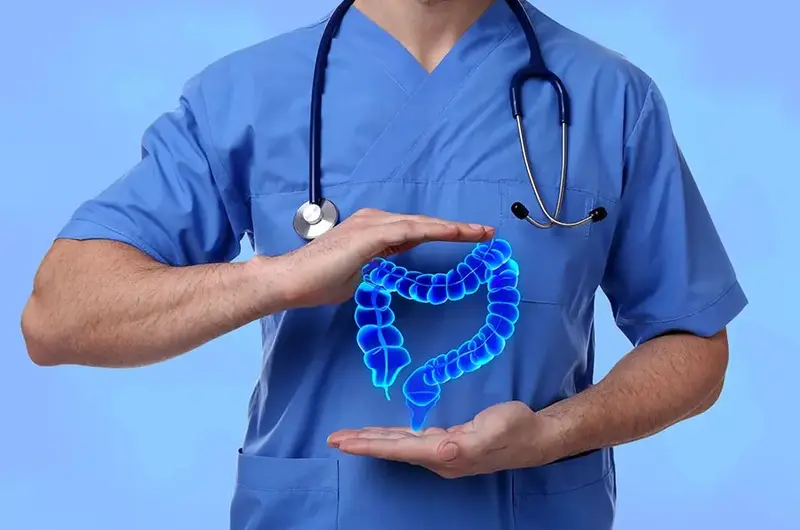 Technology & Innovation Rising colon cancer rates in younger adults: A call to action from Dr. Alejandro Suarez
March 7, 2024
-

-