Upper gastrointestinal cancers can affect your health, comfort and peace of mind. You’ll have access to a team that understands both the complexity of these cancers and the importance of caring for you as a whole person. We provide diagnosis, treatment and ongoing support for cancers of the upper GI tract and digestive system, bringing together advanced science, experienced specialists and compassionate support so you never feel like you’re navigating cancer alone.
Expert care for upper gastrointestinal cancers
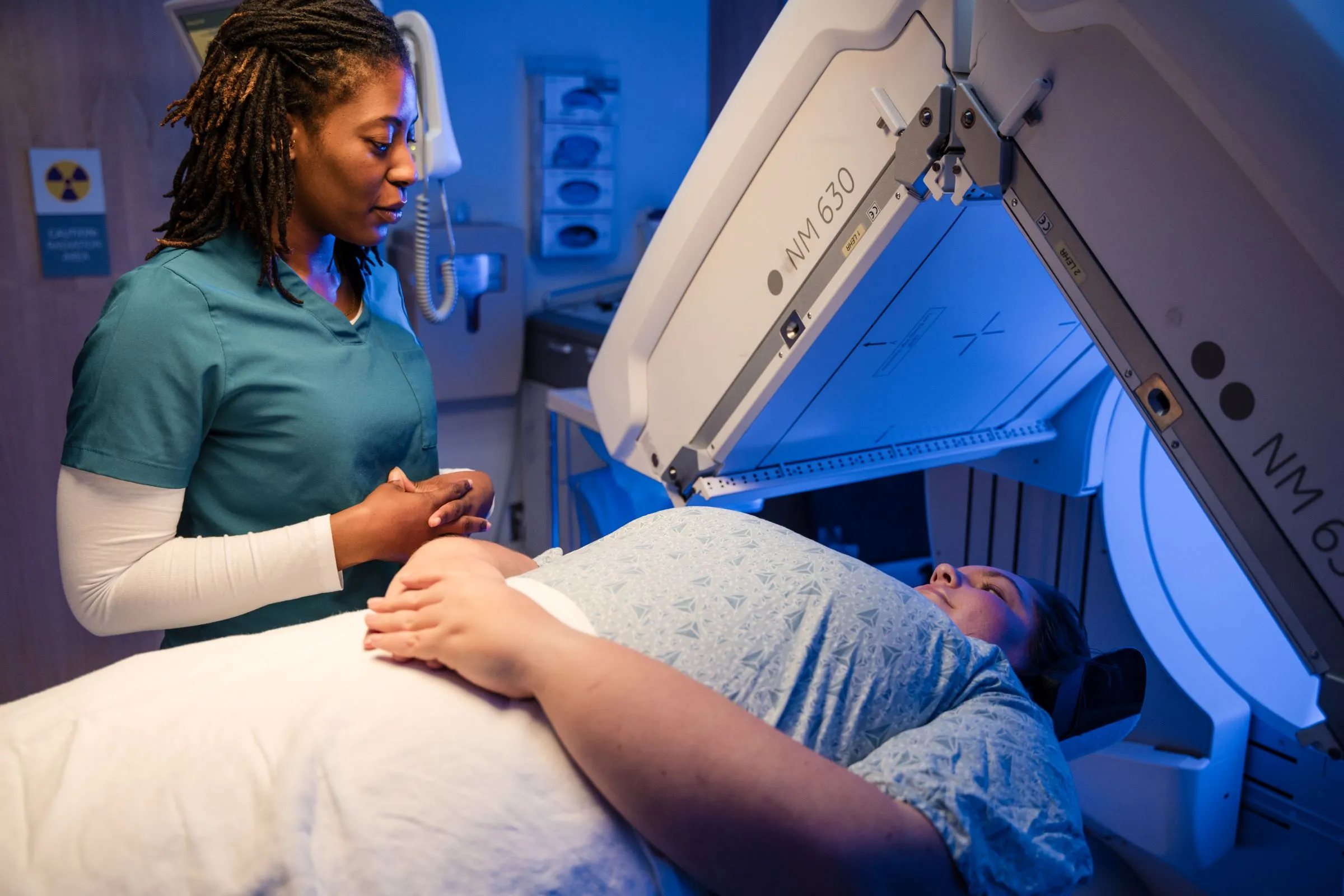
Full continuum of care
What you need to know about GI cancers.

We care for patients with cancers affecting all parts of the upper digestive system, including:
- Bile duct cancer
- Esophageal cancer
- Gallbladder cancer
- Liver cancer
- Pancreatic cancer
- Small intestine cancer
- Stomach cancer

Getting the right diagnosis starts with a careful, thorough evaluation. We take time to understand your symptoms, medical history and concerns, then use advanced testing to build a clear and accurate picture of your health.
Your evaluation may include:
- Abdominal ultrasound
- Barium swallow (esophagram)
- Blood tests to assess organ function
- Endoscopy or endoscopic ultrasound with biopsy
- Imaging such as CT, MRI or PET scans
Our specialists meet regularly to review complex cases together, combining their expertise to confirm your diagnosis and recommend the most effective next steps.
Your care plan is tailored to your diagnosis, overall health and goals. Our specialists work together to recommend the best treatment approach, combining proven therapies with advanced, targeted options. Many cases are also reviewed by a multidisciplinary team to ensure every treatment recommendation is carefully considered.
Treatment options may include:
- Chemoembolization or radioembolization
- Chemotherapy
- Endoscopic resection
- Immunotherapy that helps your immune system fight cancer
- Radiofrequency or microwave ablation
- Radiation therapy
- Surgery, which is often a key part of treatment
- Targeted therapies that act on specific cancer genes

A diagnosis can affect more than your physical health. We provide guidance and support to help you navigate each phase of care with confidence, so you never feel alone in the process.
Our resources include:
- Cancer prevention and screenings to help you stay proactive about your health.
- Cancer survivorship program (THRIVE) to help you transition from treatment to active living
- Free legal clinic to provide guidance on documents like healthcare powers of attorney and living wills
- Healing Boutique offers products and services like wig fittings and comfort items
- Music therapy services to reduce anxiety and support emotional healing
- Smoking cessation program to provide the tools and support you need to quit tobacco
Your upper gastrointestinal cancer team
When it comes to GI cancer, coordinated care matters. Our upper gastrointestinal cancer specialists include gastroenterologists, surgeons, radiation oncologists, medical oncologists and other experts who work together to create a treatment plan tailored to you.
-

Stephen Ramey Sr., MD
Radiation Oncology
-
 Accepting new patients
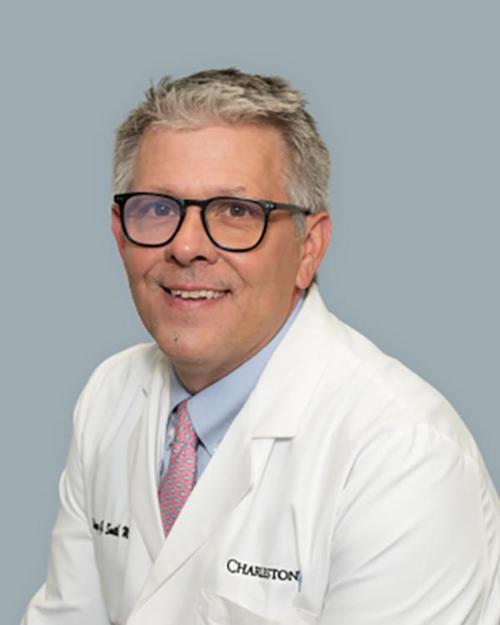
Gene Saylors, MD
Hematology Oncology, Benign Hematology, Hematology, Medical Oncology, Breast Medical Oncology, Gastrointestinal Medical Oncology, Cutaneous (Skin) Medical Oncology, Thoracic Medical Oncology
-

-
-

-
 Accepting new patients
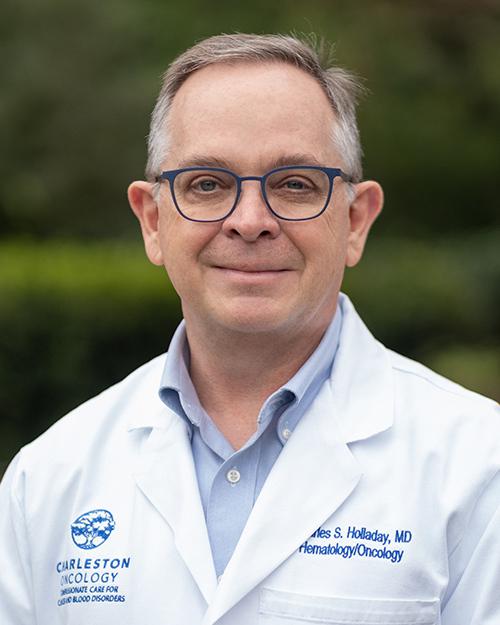
Charles S. Holladay, MD
Hematology Oncology, Benign Hematology, Hematology, Medical Oncology, Gastrointestinal Medical Oncology, Neuro-Oncology, Head and Neck Medical Oncology, Thoracic Medical Oncology, Sarcoma Medical Oncology
-
Brian Beaty, MD
Radiation Oncology
-
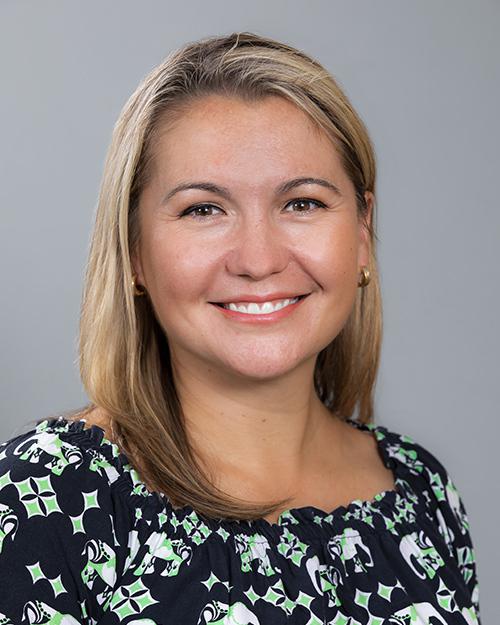
Annette Cruz, PAC
Radiation Oncology
-
 Accepting new patients
Brian Greenwell, MD
Blood and Marrow Transplant, Hematology Oncology, Benign Hematology, Hematology, Medical Oncology, Gastrointestinal Medical Oncology, Thoracic Medical Oncology
-
-
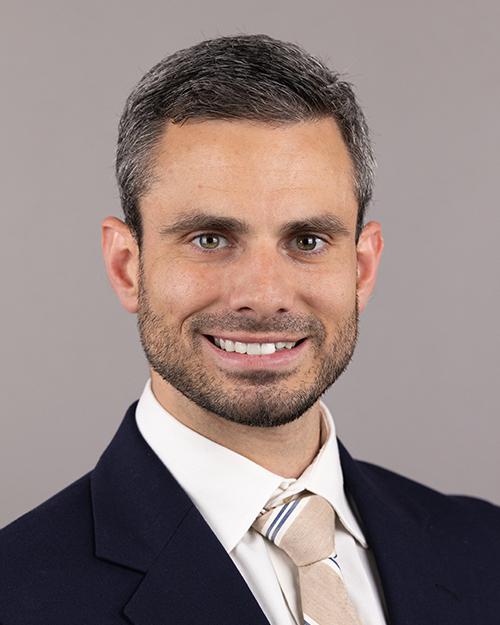
Bradley DePaoli, MD
Radiation Oncology
-
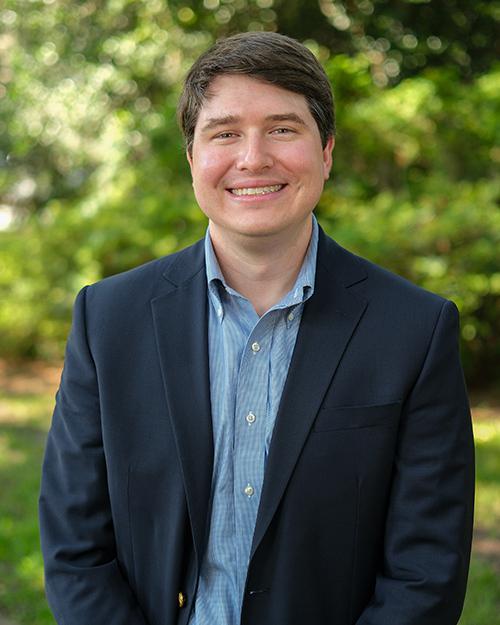 Accepting new patients
Nicholas Schmidt Jr., MD
Benign Hematology, Hematology, Medical Oncology, Hematology Oncology, Breast Medical Oncology, Urologic Oncology, Gastrointestinal Medical Oncology, Neuro-Oncology, Thoracic Medical Oncology
-
-
 Accepting new patients
Brian Lingerfelt, MD
Hematology Oncology, Benign Hematology, Hematology, Medical Oncology, Breast Medical Oncology, Urologic Oncology, Gastrointestinal Medical Oncology, Neuro-Oncology, Head and Neck Medical Oncology, Thoracic Medical Oncology
-
 Accepting new patients
Douglas Michaelsen, MD
Hematology Oncology, Benign Hematology, Hematology, Medical Oncology, Urologic Oncology, Gastrointestinal Medical Oncology, Neuro-Oncology, Cutaneous (Skin) Medical Oncology, Head and Neck Medical Oncology, Thoracic Medical Oncology, Sarcoma Medical Oncology
-
-
 Accepting new patients
Bernardo Franssen Canovas, MD
Breast Surgical Oncology, Breast Surgery, Surgical Oncology
-
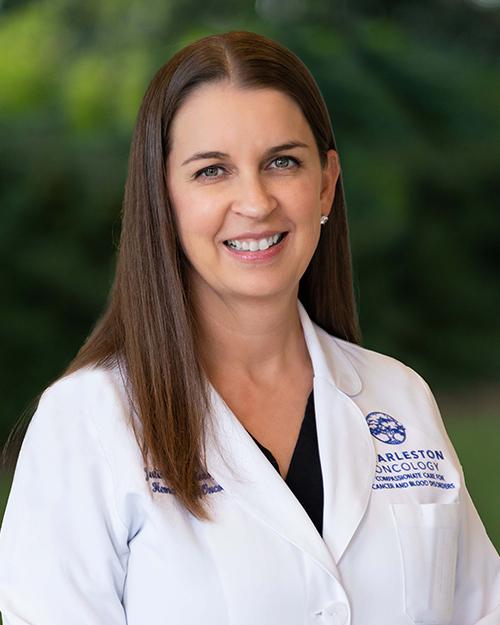 Accepting new patients
Julia Saylors, MD
Hematology Oncology, Benign Hematology, Hematology, Medical Oncology, Breast Medical Oncology, Urologic Oncology, Gastrointestinal Medical Oncology, Cutaneous (Skin) Medical Oncology, Head and Neck Medical Oncology, Thoracic Medical Oncology
-
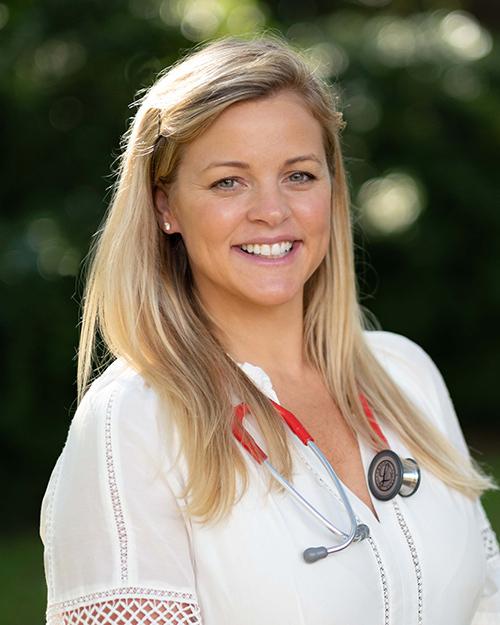 Accepting new patients
Shelly Shand, MD
Medical Oncology, Hematology, Benign Hematology, Hematology Oncology, Breast Medical Oncology, Gastrointestinal Medical Oncology, Cutaneous (Skin) Medical Oncology, Head and Neck Medical Oncology
-
 Accepting new patients
George Geils Jr., MD
Blood and Marrow Transplant, Hematology Oncology, Benign Hematology, Hematology, Medical Oncology, Gastrointestinal Medical Oncology, Thoracic Medical Oncology
-

Michael Hall, MD
Radiation Oncology
-
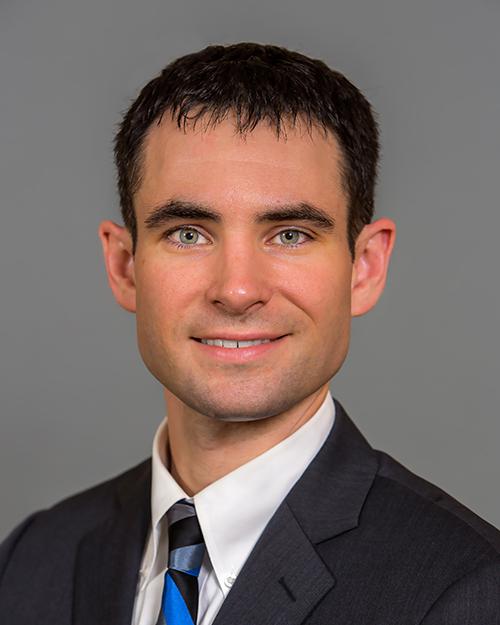 Accepting new patients
Daniel Kirchoff, MD
Breast Surgical Oncology, Breast Surgery, Surgical Oncology
-
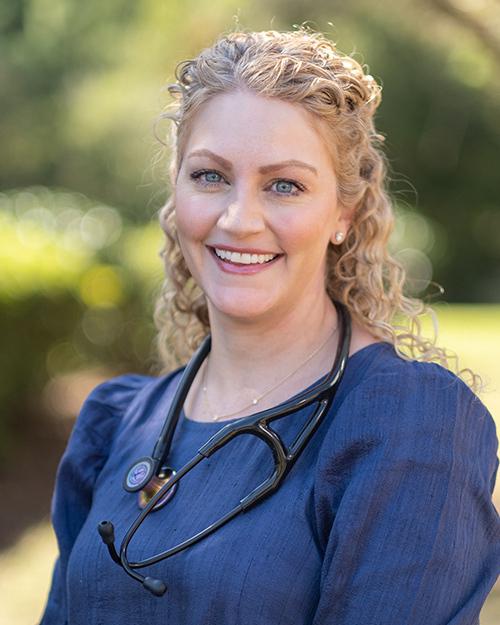 Accepting new patients
Ashley Jeter, MD
Benign Hematology, Hematology, Medical Oncology, Hematology Oncology, Breast Medical Oncology, Urologic Oncology, Gastrointestinal Medical Oncology, Cutaneous (Skin) Medical Oncology, Head and Neck Medical Oncology, Thoracic Medical Oncology
-

-
-
Book online
-
-
-

-

-
-

People also ask
Get answers to commonly asked questions about gastrointestinal cancers.
Related services & specialties
-
 Treatments & Conditions Roper St. Francis Healthcare first in state to offer promising new pancreatic cancer therapy
September 17, 2026
-
 Technology & Innovation Trailblazing cancer care: CAR T-cell therapy arrives at Roper St. Francis Healthcare
March 19, 2026
-

-