

Editor’s note: Dr. David Ellison and patient Terri Truere were recently featured in a Post and Courier article about this. Daraxonrasib was approved by the FDA Aug. 26, 2026.
For patients with advanced pancreatic cancer, time is measured differently. Waiting months, or even a year, for a promising new treatment to receive full FDA approval isn’t an option for many.
That’s why Roper St. Francis Healthcare worked to become the first health system in South Carolina to offer eligible patients access to daraxonrasib through Revolution Medicine’s Expanded Access Program.
“If it’s going to take a year to get FDA approved, many people diagnosed now might not be alive by then,” said Dr. David Ellison, oncologist with Charleston Oncology – A Department of Bon Secours St. Francis Hospital. “So we’re pleased to offer early access to this new drug.”
The health system has already begun treating its first patient with this new investigational therapy.
Why access matters
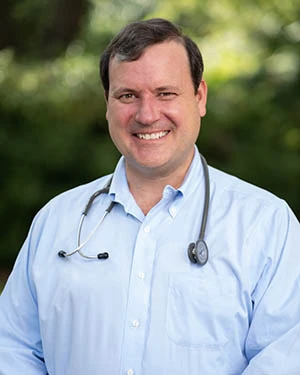
Earlier this year, the oral medication drew national attention after clinical trial results showed patients with advanced pancreatic cancer lived nearly twice as long as those receiving standard chemotherapy. For a disease that has seen few meaningful treatment advances, the findings were met with rare optimism among oncologists.
Revolution Medicine, the drug manufacturer, announced in April that it would offer early access before FDA approval through its Expanded Access Program.
Acquiring approval to offer the therapy reflects Roper St. Francis Healthcare’s broader commitment to expanding access to leading-edge cancer treatments and clinical research opportunities close to home, ensuring Lowcountry patients can receive advanced, personalized care without traveling outside the region.
“One of our 2030 Strategic Plan goals is addressing future clinical needs and making sure our patients have access to the most promising advances in cancer care,” said Dr. George Keogh, Physician Leader of the Oncology Integrated Practice Network (IPN). “Offering therapies like daraxonrasib is one example of how we strive to bring innovative options to our patients.”
Dr. Ellison is careful not to overstate what daraxonrasib represents.
It isn’t a cure, he said. And it won’t help every patient. But for a disease where even modest gains can mean more time with loved ones, it offers something the field hasn’t had before: another option.
“It’s not a giant leap, and it’s not the cure we’re hoping for,” Dr. Ellison said. “But it’s a meaningful stride in the right direction.”
How it works
Pancreatic cancer remains one of the deadliest, in part because it rarely causes symptoms until it has spread beyond the pancreas. The American Cancer Society reports that only 13 percent of patients with pancreatic cancer survive five years beyond their diagnosis.
“The only way to cure pancreatic cancer is if you can remove it while it’s still limited to the pancreas,” Dr. Ellison said. “Unfortunately, it’s rarely symptomatic at that stage, so the majority of patients are diagnosed after it has already spread.”
While chemotherapy helps slow down the disease, treatment for pancreatic cancer has lagged behind the advancements made for many other types of cancer. Immunotherapies that have transformed treatment for melanoma, lung cancer and kidney cancer have largely failed to produce the same results in pancreatic cancer.
Daraxonrasib works by inhibiting RAS signaling in tumors driven by KRAS mutations, rather than broadly attacking rapidly dividing cells like conventional chemotherapy.
Nearly all pancreatic cancers contain abnormalities in a protein called KRAS. For decades, researchers considered KRAS one of oncology’s most elusive treatment targets because they couldn’t develop a drug capable of shutting it down.
“Researchers have figured out a way to inhibit, or turn off, that mutation,” Dr. Ellison said. “We’ve never been able to do that with the common KRAS mutations seen in pancreatic cancer.”
While it won’t help every patient, daraxonrasib is the first targeted therapy to show meaningful survival improvements in advanced pancreatic cancer.
In the clinical trial published May 31, 2026, patients who received daraxonrasib lived a median of 13 months after starting treatment, compared with 6.5 months for those receiving standard treatments.
Although patients eventually developed resistance to the therapy, the results represented an unprecedented improvement.
Building on progress
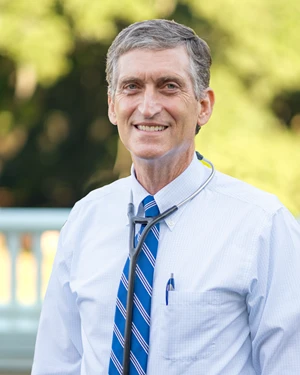

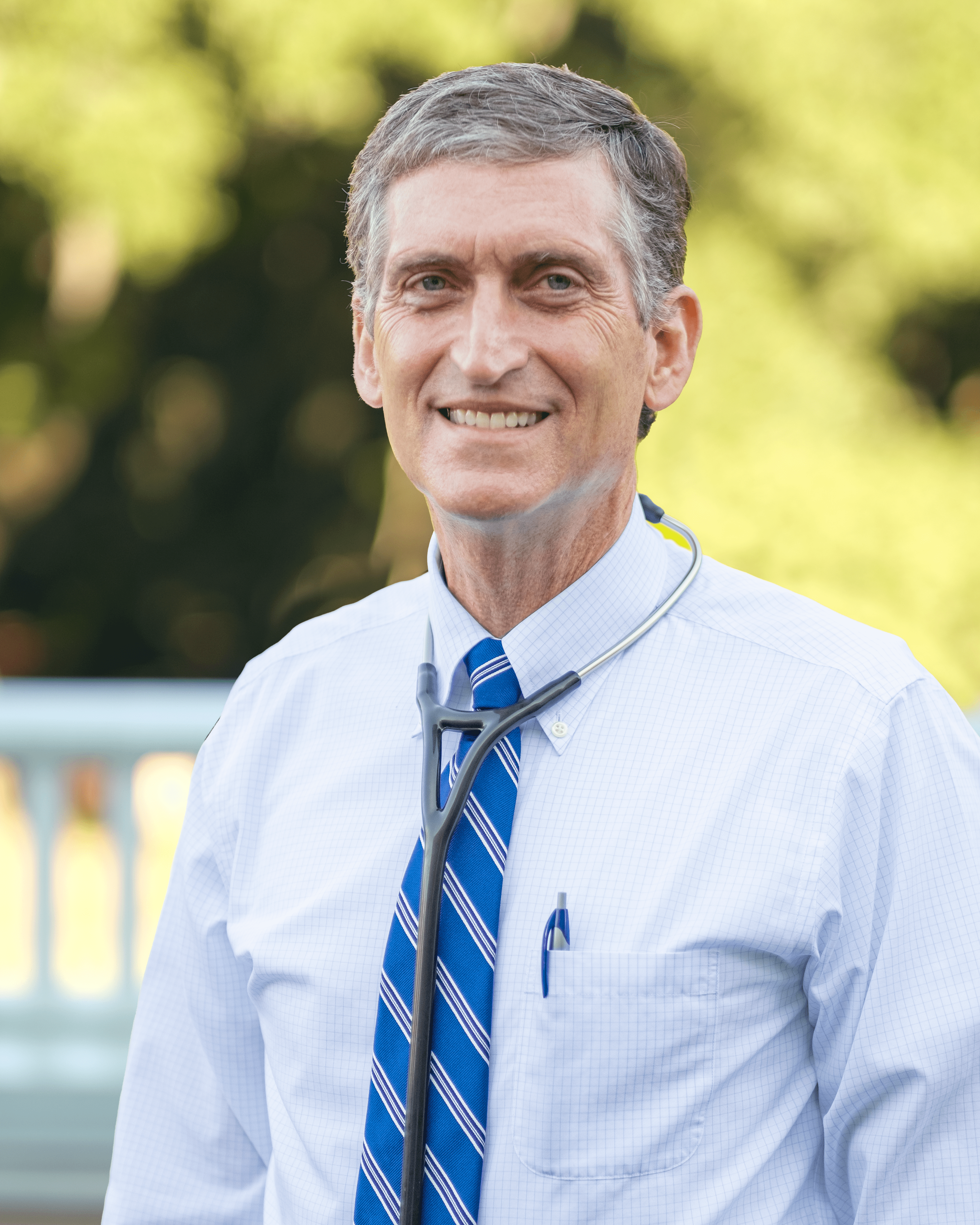
For Dr. Ellison, the new therapy represents evidence that pancreatic cancer, a disease that has resisted decades of research, is beginning to yield to new scientific approaches.
“This is not the final drug we want,” he said. “This is the beginning. It’s the first step toward developing even better treatments.”
During his 36-year career as an oncologist, Dr. Ellison has watched once-incurable cancers become treatable and, for some patients, even curable, citing CAR-T therapy as an example. Although the science is not there yet for pancreatic cancer, he hopes daraxonrasib represents the beginning of a new path forward.
“If you do something that helps even just 20 percent of people, it improves hope for 100 percent,” he said. “I’m excited by these new technologies and drugs that allow for more hopeful conversations than we would have had 10 or 20 years ago.”
For patients diagnosed with such an aggressive cancer, more time, and the hope that comes with it, can be the most meaningful advancement.
Who may be eligible
Daraxonrasib is currently available through Revolution Medicines’ Expanded Access Program for select patients with advanced pancreatic cancer whose disease has progressed after at least one prior line of standard therapy.
Because the therapy remains investigational, patients must also meet the program’s clinical eligibility criteria. Currently, only select providers within Charleston Oncology – A Department of Bon Secours St. Francis Hospital are authorized to prescribe daraxonrasib to eligible patients.
As of Wednesday, Aug. 5, Drs. George Geils, Charles Holladay, George Keogh, Brian Lingerfelt, Shelly Shand and Nicholas Schmidt of Charleston Oncology – A Department of Bon Secours St. Francis Hospital joined Dr. Ellison in being trained to treat with the new drug.
-
 Healthy Living A primary care doctor’s best advice before your first visit
July 23, 2026 3 Minute Read
-
_Cropped-HorizontalCard-Small.webp?language=en)
-

-

-
 Treatments & Conditions Roper St. Francis Healthcare expands interventional pain management capacity
June 5, 2026
-
 Treatments & Conditions Stumbling block: The dangers of deep vein thrombosis - Roper St. Francis Healthcare | Health News Blog | Charleston, SC
May 11, 2026
-
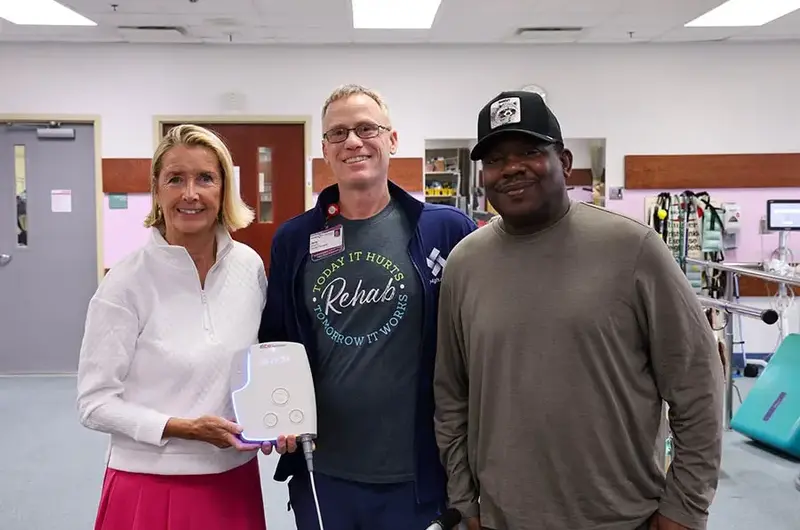 Technology & Innovation Roper St. Francis Healthcare first in region to offer new spinal cord injury technology
May 1, 2026
-
 Treatments & Conditions What to know about radiation treatment when you’re first hearing the news
April 14, 2026
-

-

-
 Technology & Innovation Trailblazing cancer care: CAR T-cell therapy arrives at Roper St. Francis Healthcare
March 19, 2026
-
 Treatments & Conditions Epilepsy: What is it, how's it treated and why hope is a part of the plan
March 17, 2026 3 Minute Read
-
-
 Our Stories Gynecologic cancers: How brachytherapy afterloaders improve survival reduce side effects
March 12, 2026