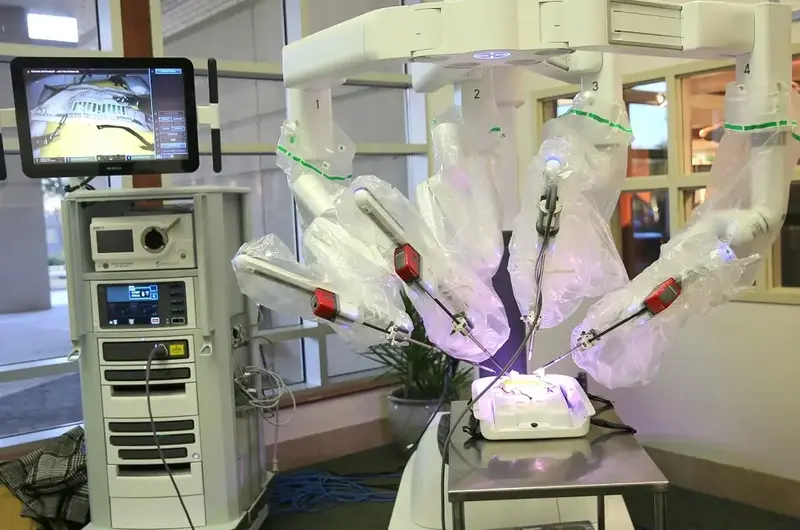
You can count on our team to recommend the least invasive treatment option that's appropriate for your condition. When surgery is the best choice, we'll consider using specialized equipment and advanced techniques designed to enhance surgical precision while minimizing the impact on your body.
The least invasive path is always our first step

Procedures we perform
Our surgeons perform many minimally invasive and robotic-assisted procedures across a wide range of specialties, including:
- Bariatric and metabolic procedures like gastric bypass surgery that help patients meet their weight goals
- Colon and intestinal surgery to treat conditions like colorectal cancer and Crohn’s disease
- Gallbladder removal, which our expert surgeons do regularly
- Gynecologic procedures, including some hysterectomies
- Hernia repair for different types of hernias
- Orthopedic joint and spine surgery, including treatments for back pain
- Thoracic surgery, including lung cancer treatment
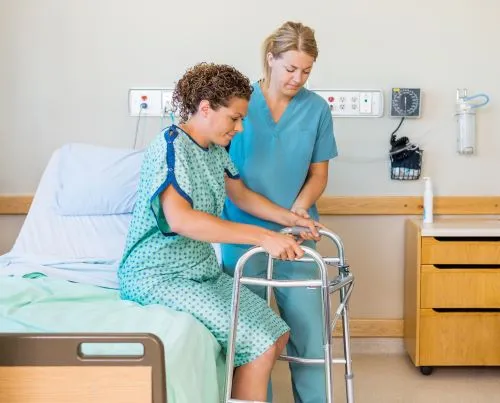
What happens next — and how we’ll support you

Your surgeon will meet with you for a consultation and arrange any diagnostic testing you may need, such as a CT scan, PET scan or pulmonary function tests. During this appointment, your care team will make sure you have everything you need to feel prepared for your procedure, including:
- Reviewing your medical history
- Providing clear instructions about pre-surgery fasting
- Reminding you to bring your medications and emergency contact information on the day of surgery
- Explaining your anesthesia plan and what to expect
- Educating you about the Enhanced Recovery After Surgery (ERAS) program to support a faster recovery and discharge
Your care team will explain every step of the process and answer all of your questions so you can feel confident and prepared for your procedure.
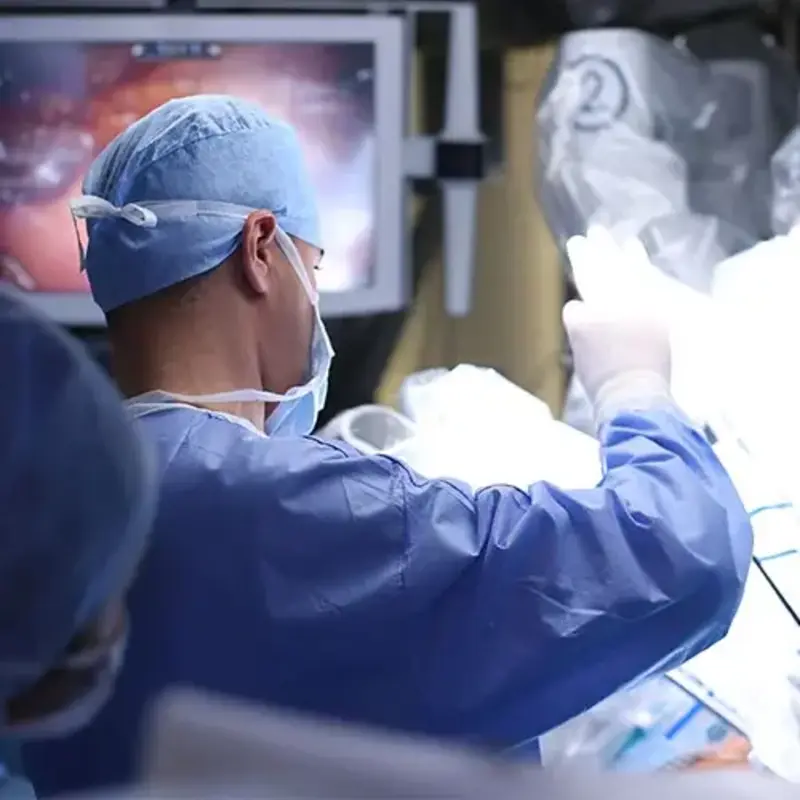
As your surgery begins, your care team will explain the anesthesia they will use and how they will monitor you throughout the procedure. Your team typically includes a surgeon, an anesthesiologist and a nurse specialist, all working together to keep you safe and comfortable.

Depending on your procedure, you may need to stay in the hospital, or you may be able to go home the same day. Your care team will let you know what to expect. Before you leave, we'll make sure you have detailed instructions for your recovery at home and answer any questions you may have.
We will also:
We will also:
- Explain supportive services, such as rehabilitation or physical therapy, if you need them
- Make sure you know how to manage your pain
- Schedule any necessary follow-up appointments
No matter what type of surgery you have, we'll be there to support you every step of the way.
People also ask
Get the answers to questions on your mind.
Related services & specialties
-
 Our Stories Dr. Jorge Lagares-García reaches surgical milestone at Mount Pleasant Hospital
March 2, 2026
-
 Technology & Innovation Practicing with precision: Robotic technology at Roper St. Francis Healthcare
May 16, 2023
-
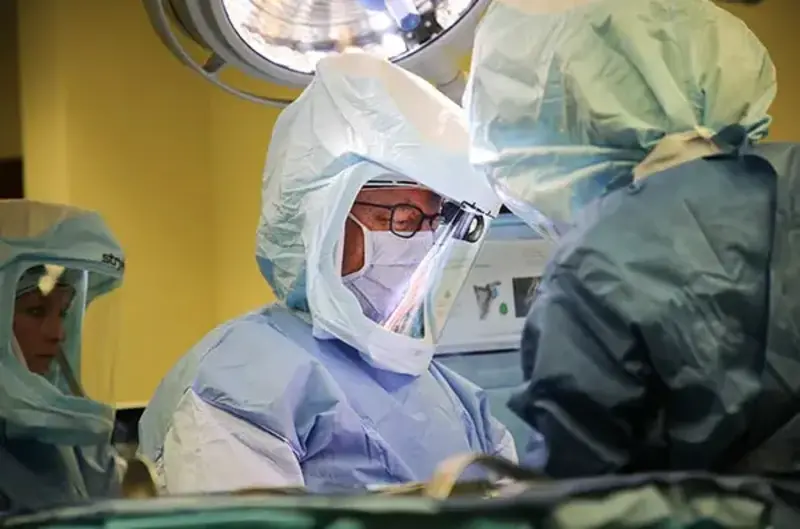 Technology & Innovation Roper St. Francis orthopedic surgeon attracts international attention for GPS software expertise
March 21, 2023
-
 Technology & Innovation Roper St. Francis Healthcare expands robotic surgery options
January 21, 2021
-