

Surgery can be overwhelming, but you’re not alone. Our team pairs refined expertise with heartfelt support — keeping your safety, comfort and peace of mind at the heart of everything we do. From your first appointment to your recovery at home, we coordinate every detail of your care. Our goal is simple: to help you breathe easier and heal faster, so you can get back to the life you love.
Supportive care from diagnosis to recovery
What to expect at every stage

Your surgeon will meet with you for a consultation and arrange any diagnostic testing you may need, such as a CT scan, PET scan or pulmonary function tests. During this appointment, your care team will make sure you have everything you need to feel prepared for your procedure, including:
- Reviewing your medical history
- Providing clear instructions about pre-surgery fasting
- Reminding you to bring your medications and emergency contact information on the day of surgery
- Explaining your anesthesia plan and what to expect
- Educating you about the Enhanced Recovery After Surgery (ERAS) program to support a faster recovery and discharge
Your care team will explain every step of the process and answer all of your questions so you can feel confident and prepared for your procedure.
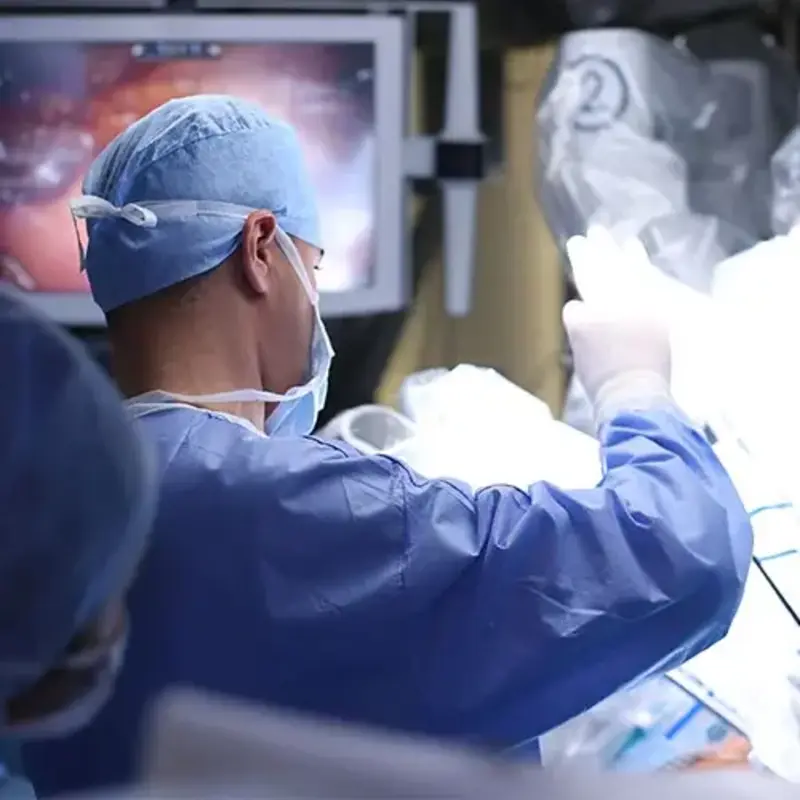
As your surgery begins, your care team will explain the anesthesia they will use and how they will monitor you throughout the procedure. Your team typically includes a surgeon, an anesthesiologist and a nurse specialist, all working together to keep you safe and comfortable.

Depending on your procedure, you may need to stay in the hospital, or you may be able to go home the same day. Your care team will let you know what to expect. Before you leave, we'll make sure you have detailed instructions for your recovery at home and answer any questions you may have.
We will also:
We will also:
- Explain supportive services, such as rehabilitation or physical therapy, if you need them
- Make sure you know how to manage your pain
- Schedule any necessary follow-up appointments
No matter what type of surgery you have, we'll be there to support you every step of the way.
Your thoracic team
Our surgeons are leaders in complex chest and lung procedures. They combine precision, innovation and compassion to help you achieve the best outcomes possible.


People also ask
Get answers to common questions about thoracic surgery, including when it may be needed, what to expect during recovery and the follow-up care available to support your healing.