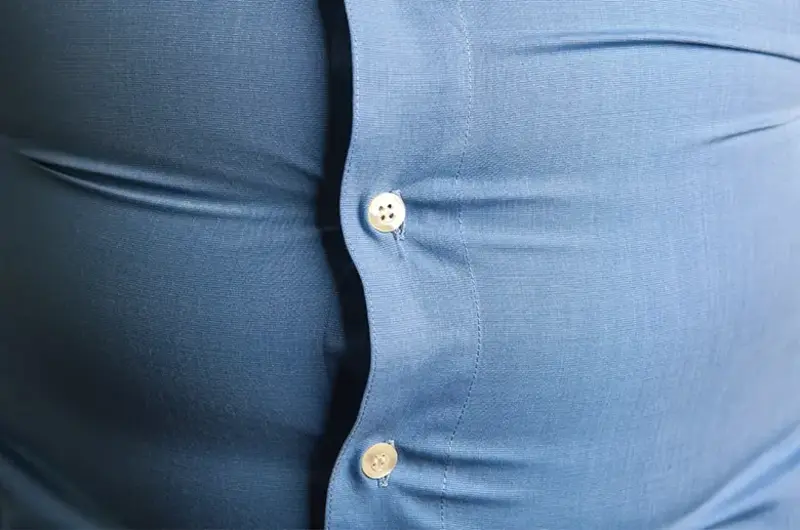
If you’re seeking medical help for weight loss, you don’t want to look far for a supportive team of experts. As one of the most trusted bariatric teams in the Charleston area, we bring extensive experience with gastric sleeve surgery and a deep commitment to your care. By combining advanced surgical techniques with evidence-based research, we deliver safe, effective results.
Gastric sleeve surgery (sleeve gastrectomy) is a minimally invasive surgical procedure that permanently removes roughly 80 percent of your stomach. This helps you lose weight in two ways. With a smaller stomach, you feel fuller faster. It also reduces the amount of hunger hormones your stomach produces, so you’ll have less of an appetite, too.
A proven surgical approach to safe, effective weight loss
What to expect
Gastric sleeve surgery is less complicated than other bariatric procedures, but it is a life-changing decision.
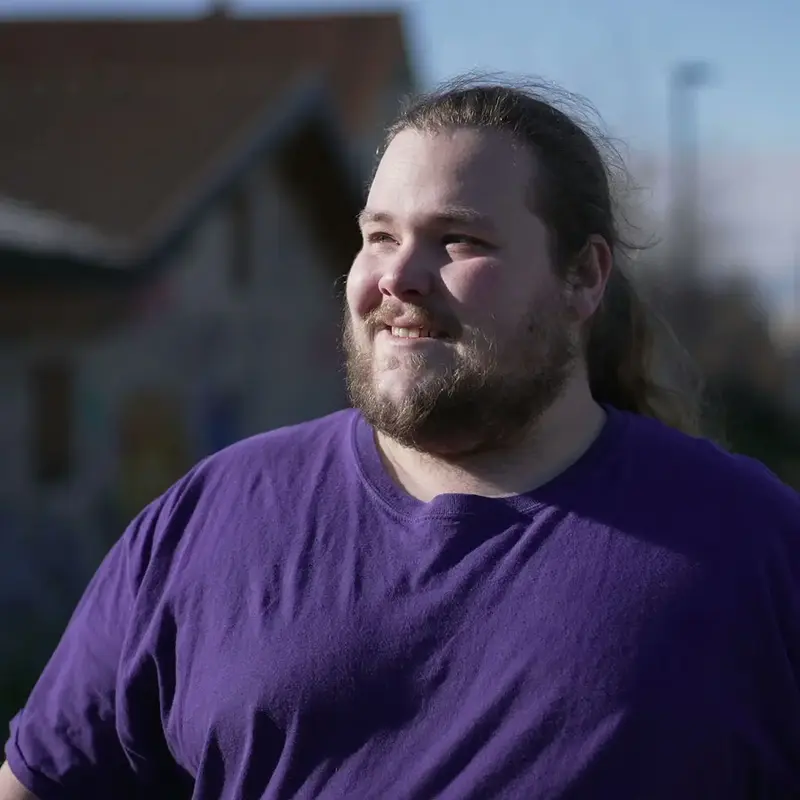
As your trusted healthcare partner, we want to be sure you fully understand the procedure so you can make well-informed choices.
If a supervised medical weight loss plan didn’t work for you, we may recommend gastric sleeve surgery. To qualify, you must have either have a:
- Body mass index (BMI) of 40 or higher
- BMI of at least 35 with at least one obesity-related chronic condition, such as high blood pressure, high cholesterol or sleep apnea
Compared to other bariatric procedures, gastric sleeve surgery is a fast, simple procedure. It doesn’t affect your intestines like gastric bypass, and it doesn’t require a device like an adjustable gastric band. It’s also minimally invasive, so you recover quickly and with less pain.
On average, patients lose between 60 and 70 percent of their excess weight and see improvements in their energy level, blood pressure, cholesterol and sleep apnea.
Gastric sleeve surgery is permanent, though. To reach your weight-loss goal, you must commit to healthy lifestyle behaviors and good nutrition and take daily vitamins and supplements to make up for the nutrients you won’t get from smaller meals.
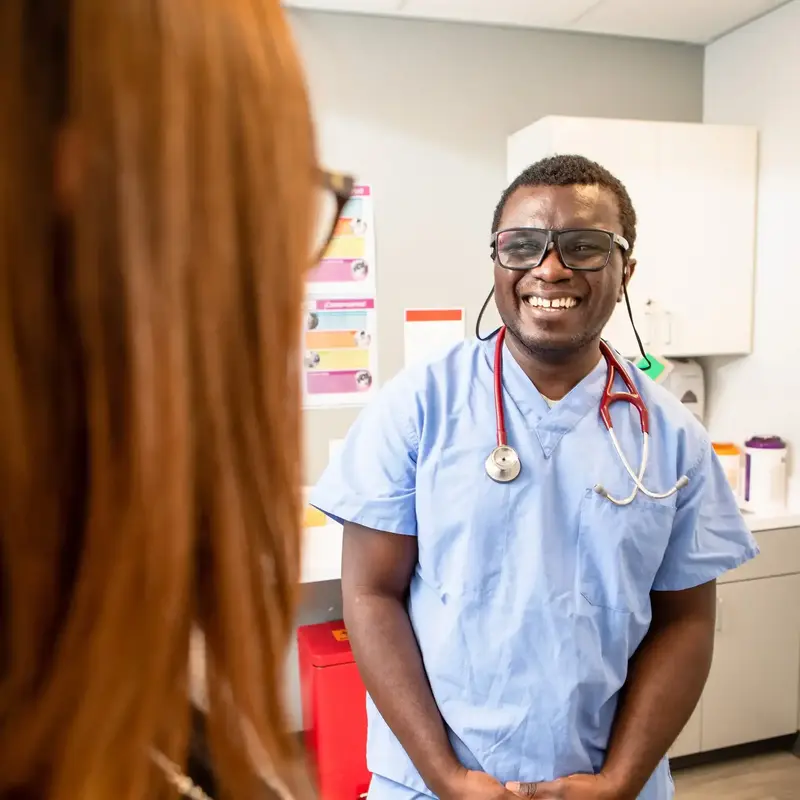
During your consultation, we’ll perform various screening tests to make sure you’re mentally and physically healthy enough for surgery. To help you feel at ease, we will explain what you can expect with the procedure and answer any questions you have.

Two weeks before surgery, we’ll put you on a personalized liquid diet. This will help you lose some fat around your abdomen and liver, which makes the procedure easier — and safer — to perform. We’ll also go over any instructions you need to follow leading up to surgery day.
These recommendations may include:
- Arranging for transportation home since you won’t be able to drive
- Creating a list of current medications and allergies
- Gathering your insurance information and a photo ID
- Fasting for at least 12 hours before your surgery
- Stocking up on the supplies you’ll need when you return home, including specific foods and drinks
- Stopping certain medications prior to the procedure
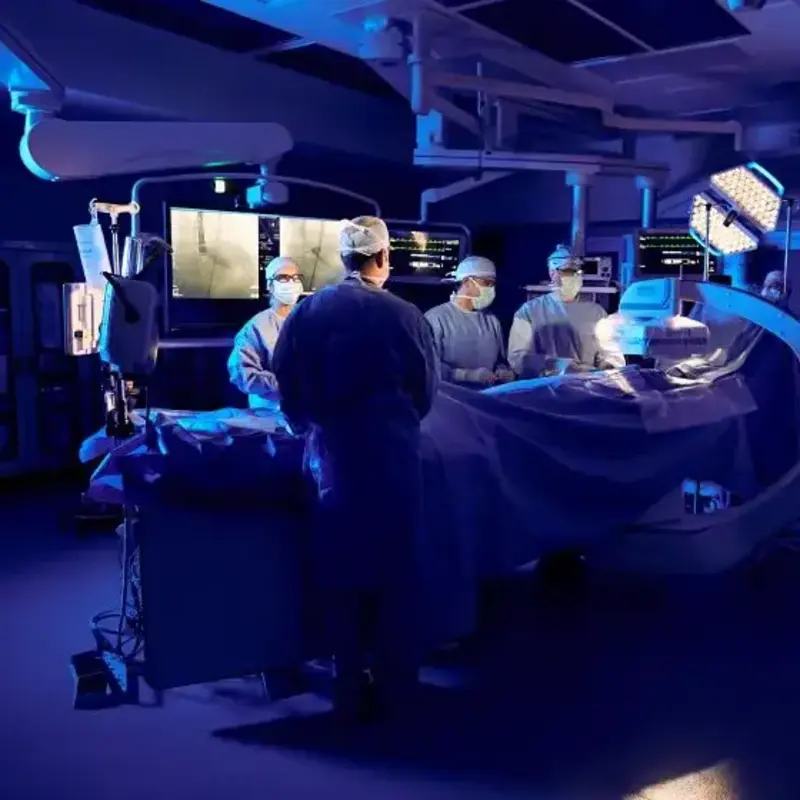
After checking you in and reviewing all your surgery details, we’ll give you general anesthesia, so you won’t feel or remember anything. Once your anesthesiologist assures us it’s okay to get started, your surgeon will make several small incisions to insert tiny tools and a small, lighted video camera (laparoscope). With a surgical stapler, we’ll then divide your stomach and remove the larger portion.
The entire procedure typically takes between 60 and 90 minutes. Patients typically stay in the hospital for one to two days following the procedure for observation.

Once you go home, you can expect to feel more like yourself within a month. We encourage you to take 2–3 weeks off work to rest, heal and adjust to a new daily routine. You should also talk with your doctor before resuming exercise after surgery, but most people can return to moderate exercise within 2 to 4 weeks.
You will need to follow a strict liquid diet for a few weeks after surgery to allow your stomach to heal. Then you’ll progress slowly from soft to solid foods. Taking small bites, eating slowly and completely chewing your food will help you avoid pain and vomiting.
Remember, you can only eat small amounts, so choose the most nutritious options.
After gastric sleeve surgery, you will need lifelong care. We’ll monitor your weight loss and overall health during frequent follow-up appointments the first year. After that, patients typically come in for an annual follow-up, but long-term resources like customized nutrition counseling, fitness coaching and behavioral therapy are always readily available.
People also ask
If you're considering gastric sleeve surgery, it's natural to have questions about the procedure, recovery, risks and long-term results. Here are answers to some of the most common questions we hear from patients.
Related services & specialties
-

-

-

-
 Healthy Living Nutrition Basics: Building a Balanced Diet for Optimal Health
March 1, 2026 5 Minute Read
-

-
 Treatments & Conditions Enjoying the holidays with diabetes: Tips for a healthy happy season
November 13, 2025
-
 Our Stories Roper St. Francis Healthcare’s innovative partnership with Ixcela enhances cancer care with nutrition
August 1, 2024
-

-

-

-
-

-

-

-

-
Healthy Living Nutrition Basics: Building a Balanced Diet for Optimal Health
March 1, 2026 5 Minute Read
-
-
Our Impact Roper St. Francis Bariatric Surgery and Medical Weight Loss program earns national reaccreditation
March 31, 2022
-