Skip to content

Gastric bypass surgery

Gastric bypass is a proven weight-loss procedure that can improve your health, energy and quality of life. If you're ready to explore your options, the bariatric specialists at Roper St. Francis Healthcare are here to guide you every step of the way.

Man and woman shop for clothes

Bariatric - MBSAQIP

An accredited program

Our commitment to your safety and outcomes has earned accreditation from the American College of Surgeons’ Metabolic and Bariatric Surgery Accreditation and Quality Improvement Program. And as one of the nation’s first Comprehensive Centers with Obesity Medicine Qualifications, we offer a full range of surgical and nonsurgical weight loss treatments in the Charleston area.

  • 70-80%

    excess body weight lost

  • 95%

    patients improved high cholesterol

  • 75.4%

    resolved high blood pressure

  • 83.8%

    resolved type 2 diabetes

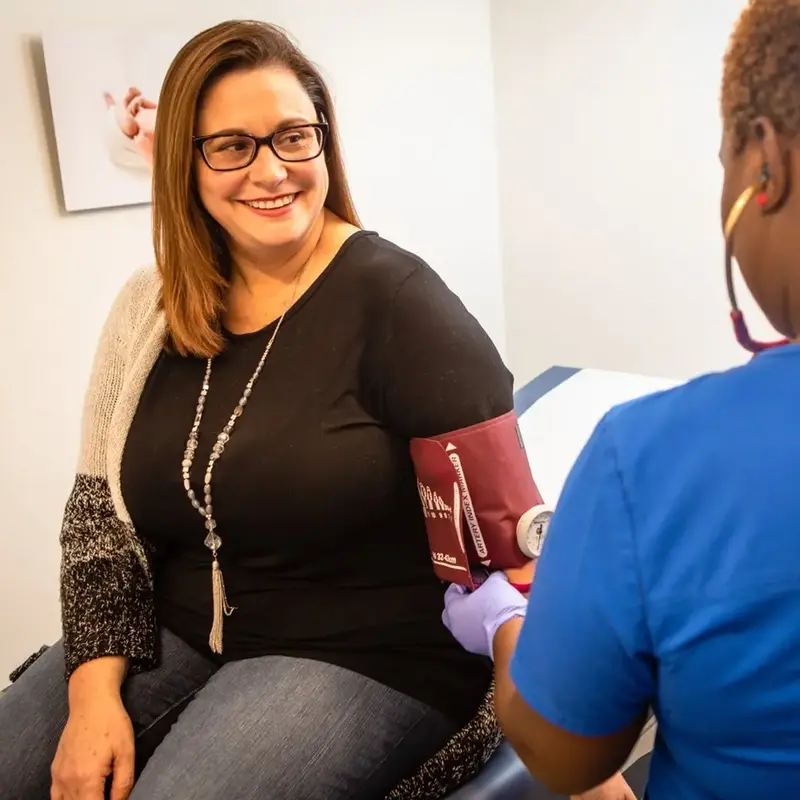
Woman at checkup

During your initial consultation, our compassionate team of bariatric experts will evaluate your physical and mental health. We’ll review your medical history and run several tests to ensure you qualify for the procedure and are healthy enough for surgery.

Making a shake

In the weeks before surgery, we may recommend increasing your activity to boost your strength. Two weeks before surgery, you will start a liquid diet that includes clear liquids and protein shakes. This diet reduces your abdominal fat and liver size, making the surgery easier and safer to complete. We also have resources available to help you make any needed lifestyle changes, including quitting smoking. 

Our care team will go over pre-surgery instructions, but generally, you should avoid taking aspirin, blood-thinning medications or ibuprofen at least 24 hours prior to your procedure.

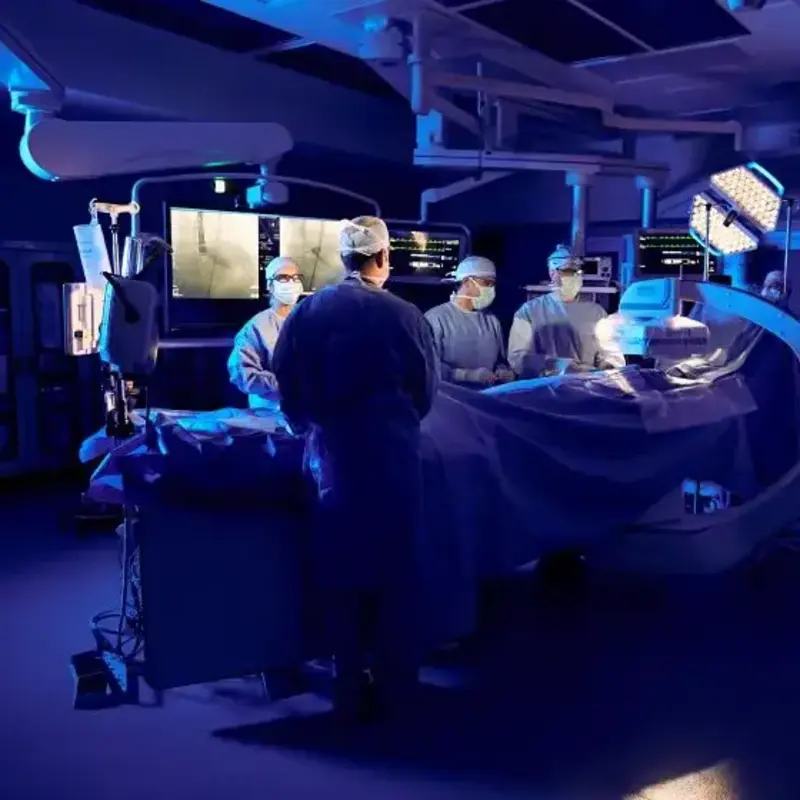
Surgeons in operating room

Before your procedure, we’ll give you general anesthesia, so you won’t feel or remember anything. Then, using a laparoscopic technique, your surgeon will divide your stomach and connect the smaller pouch to your small intestines
 
The entire surgery lasts between two and three hours.

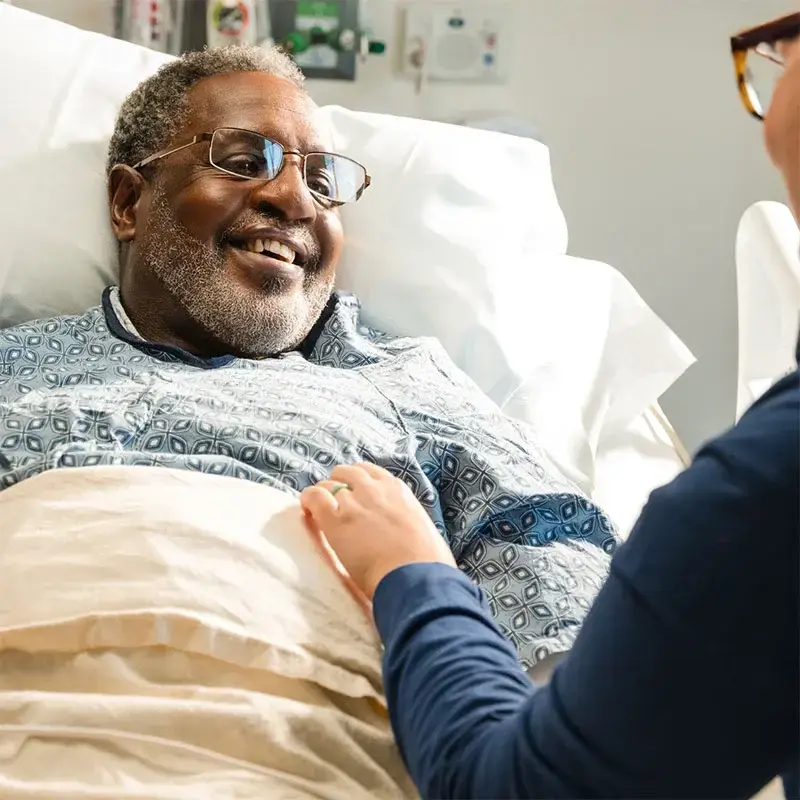
Man smiling in hospital bed

After surgery, you will stay in the hospital for one to two days. 
 
When you return home, you will follow a liquid diet for the first two weeks, then slowly progress to pureed and solid foods over the next month. During this time, you should stick to walking for exercise and gradually increase your activity as your care team suggests. 
 
Most people can return to work after six weeks.

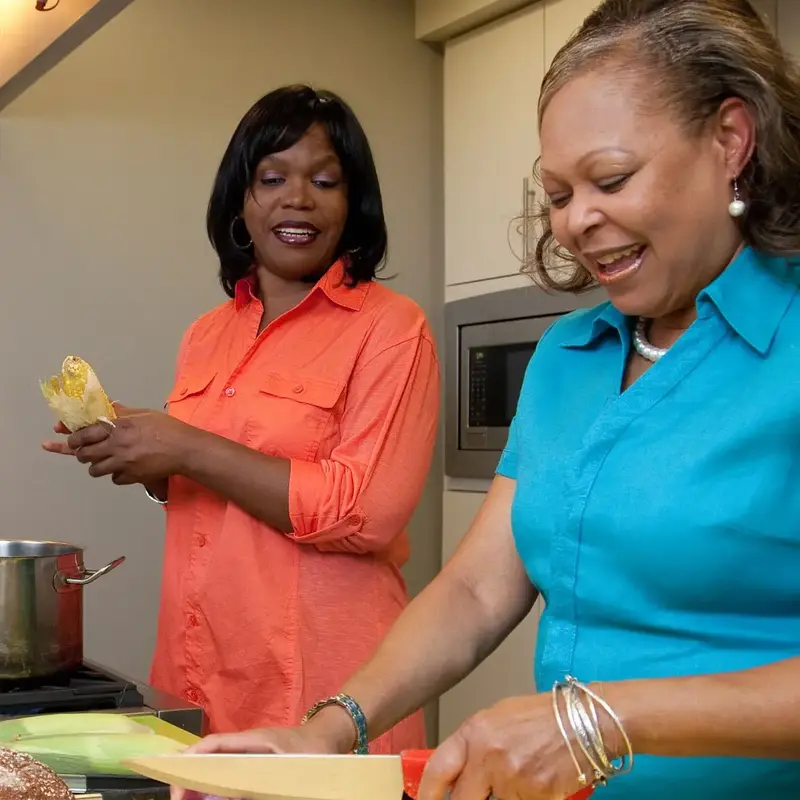
Women cooking

For a year after your procedure, we’ll evaluate your nutrition and weight loss every three months. Our team is ready with customized nutrition guidance, fitness coaching, behavioral therapy and more.  
 
After that, we’d like to see you at least once a year.