
Skip to content
Our Stories

Case Study: The Right Treatment Plan Gets Elite Athlete Back on the Field

Featured Matthew Neal, MD & W. Foster Gaillard Jr., MD

In this article you'll learn about

  • Spondylolysis and its different treatments
  • Complexity of treating athletes
  • Comprehensive care across service lines for tailored care to each patient
  • A specific athlete’s treatment plan and surgical journey

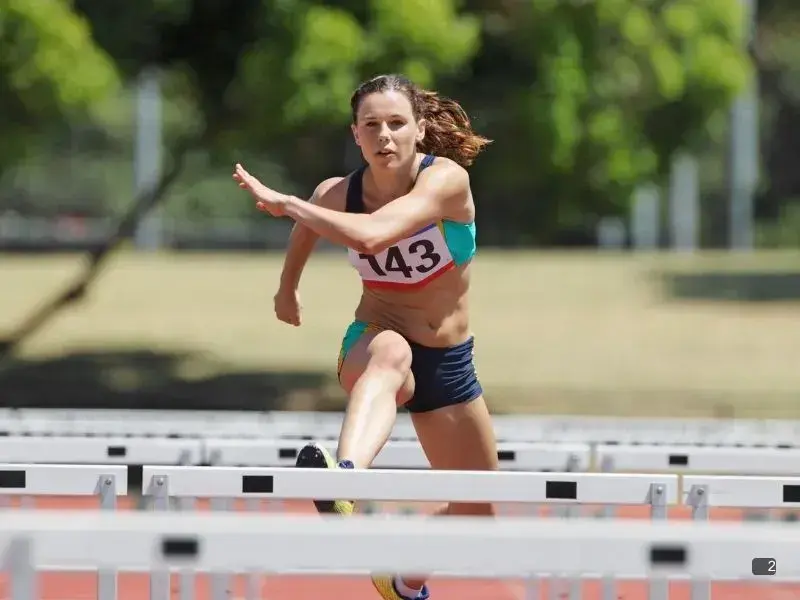
For elite athletes, spine surgery isn’t just about relieving pain. It’s also about returning to the demands of high-level competition. Roper St. Francis Healthcare recently helped an NCAA Division I track-and-field athlete clear a major hurdle — spinal surgery — on the path back to competitive sport.

The patient, a 20-year-old female, had developed low back pain that radiated down her left leg. The pain worsened with activity and was present even while sitting and sleeping, which interfered with routine activities. The university team trainer referred her to Matthew Neal, MD, a board-certified neurological surgeon at Roper St. Francis. 

  • “Athletes facing injury have a lot on the line and caring for them is something I’m passionate about. It’s especially important that these patients find a provider who understands the physical demands of their sport as well as their motivations.”

    – Dr. Matthew Neal , Neurological surgeon

Treating a Pars Defect with Lumbar Fusion and Stabilization

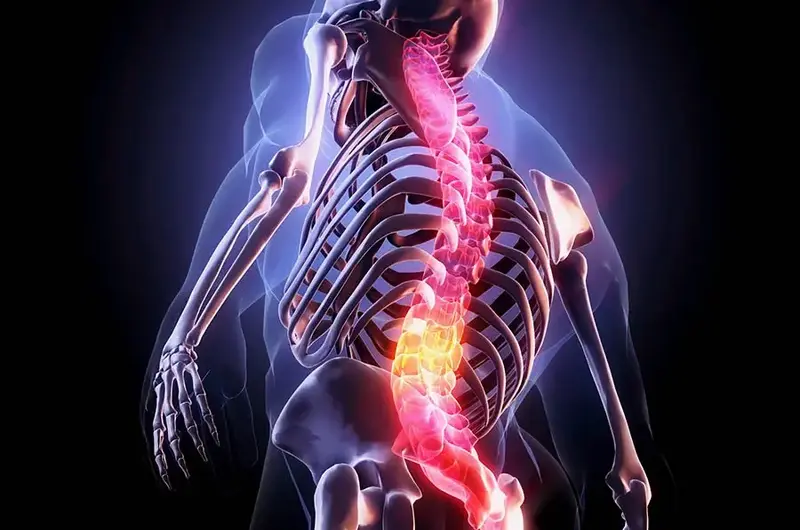
The patient received a comprehensive evaluation, and imaging studies showed pars defects at the L5 vertebra. Also known as spondylolysis, a pars defect is a bony gap in the back of the vertebra where the upper and lower facet joints connect. Often, the chronic pars defect develops in athletes when a stress fracture fails to heal correctly. In this patient, the pars defect had led to a forward subluxation of the L5 vertebra over the top of her sacrum. “Because of the slippage, the L5 nerves were compressed, leading to the radiating back and leg pain,” Dr. Neal says.

Knowing the patient was not eager to be sidelined by a long recovery, Dr. Neal initially treated her with physical therapy, medications and rest. With no improvement, however, it was clear surgery was the next step. Dr. Neal recommended an L5-S1 anterior lumbar fusion with posterior stabilization. Although fusion procedures require months for adequate healing , he and the patient agreed it was the best approach to successfully stabilize her spine and allow her to return to high-level competition.

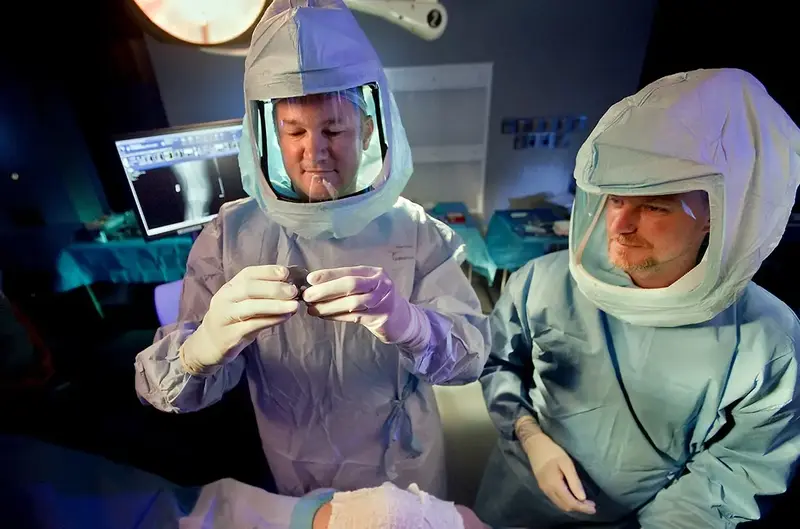
In the first phase of surgery, Dr. Neal collaborated with W. Foster Gaillard Jr., MD, a board-certified vascular surgeon at Roper St. Francis, to safely access the spine through an abdominal approach. Once in position, Dr. Neal removed the damaged disc and inserted a titanium spacer to shift the spine back into neutral alignment. In the second phase, he performed an L5-S1 posterior rod-and-screw fixation to reinforce the spine, using a minimally invasive approach to limit damage to the paraspinal muscle.

By six weeks after surgery, the patient reported no residual back or leg pain. Dr. Neal advised she abstain from sport for six months to ensure adequate bone healing. By the next track season, she was back to jumping hurdles. “She is symptom-free and competing at the same high level she had performed at before the injury,” Dr. Neal says.

Three Easy Ways to Refer to Roper St. Francis Neurosurgery

At Roper St. Francis Healthcare, we make getting care easy. Learn more about our award-winning services or schedule an appointment online today. Epic: Use referral code RSFPP-Roper St. Francis Spine Intake Clinic or select the specific provider you’d like your patient to see. Fax referrals: (843) 606-8059

Anatomical Expertise and Clear Communication

Treating elite athletes requires a keen understanding of biomechanics and of the physical demands of competitive sport – something Dr. Neal has honed over years of treating athletes including professional baseball, hockey and soccer players. Will an athlete be jumping, twisting, bracing for a tackle? “We tailor rehabilitation plans to each athlete – not only to their injury and the treatment they’ve undergone, but to how they will be using their body moving forward,” Dr. Neal says. 

Expediting recovery and optimizing outcomes also requires tight partnership with a range of colleagues, including primary care providers, orthopedic and sports medicine doctors, physical therapists and athletic trainers. 

While some elements of caring for high-level athletes are unique, many of the lessons extend to other young, healthy patients. “Both groups tend to be highly motivated to recover quickly and return to previous activities,” he says. “We work hard to maximize nonoperative therapies whenever possible. But when surgery is necessary, we utilize the least invasive, most tissue-friendly option that’s appropriate. It’s always a win when we can get an athlete back into action.” 

Why Roper St. Francis Neurosurgery?

Patients at Roper St. Francis Neurosurgery receive world-class expertise with a compassionate, personalized approach. 

We recently overhauled our referral process for faster access, reviewing urgent referrals the same day we receive them and all other referrals within 48 hours. Intake teams ensure every patient is routed to the appropriate next step, from surgical evaluation to rehab.