

If driving no longer feels as easy or safe as it once did, you’re not alone. The Roper St. Francis Driving Rehabilitation Program helps you improve your skills after a serious accident, injury or disease so you can move toward independence. Our team is here to support you with thoughtful guidance, practical tools and personalized training to help you regain confidence.
We begin with a comprehensive evaluation to determine what’s safe and appropriate for you. A Dual Occupational Therapist/Certified Driver Rehabilitation Specialist from Roper St. Francis and Certified Driver Instructor from the Lord Ashley Driving School will help evaluate your current skill level. If driving is a good option, we’ll create a personalized plan designed to help you feel more comfortable, capable and in control behind the wheel.
A safer route back to the driver's seat
Conditions and treatments
Learn more about who and how we help.
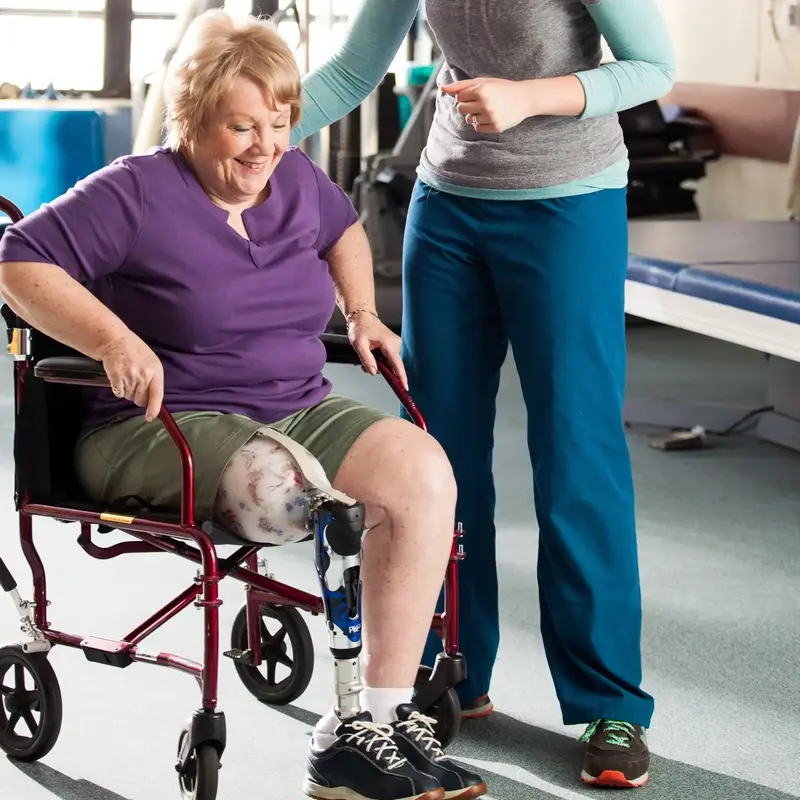
Driving rehabilitation is designed to support people who have had an amputation, head or spinal cord injury, stroke, cognitive impairment, or any other physical, psychological or intellectual impairment that limits their current driving skills. Whether these changes are new or have developed over time, our team is here to help you understand your abilities and explore safe ways to stay independent.
To qualify for our program, you must have the following:
- A doctor’s prescription
- A recent medical history
- A diagnosis
- A current learner’s permit or driver’s license (preferred, not mandatory)
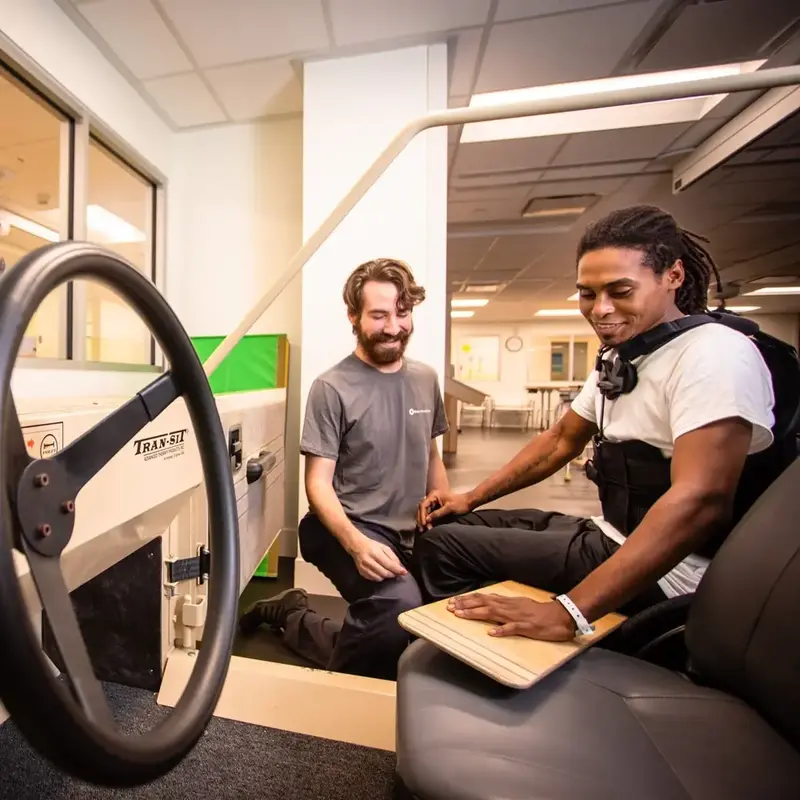
Once we understand your abilities, we’ll create a personalized plan to help you move forward safely. Whether you’re learning new techniques or adjusting to adaptive equipment, we’re here to guide you every step of the way.
Your plan is tailored to you and may include:
- Adaptive driving lessons based on your specific needs and recommended vehicle modifications
- Guidance on making changes to your personal vehicle
- Hands-on training with adaptive equipment, such as hand controls and additional mirrors
We work with certified driving instructors from Lord Ashley Driving School to give you real-world training — so you feel prepared and capable.

We take a thoughtful, step-by-step approach to understanding your driving abilities. Your evaluation begins with a clinical assessment and a behind-the-wheel evaluation in a safe, supportive setting.
During the clinical assessment, we look at:
- Ability to interpret and react to what’s happening around you
- Driving history
- Medical history, including vision
- Mental abilities, such as reasoning, judgment, memory, attention span and ability to understand road signs and rules of the road
- Physical abilities, such as strength, sensation, coordination, movement, balance and reaction time
If needed, we’ll conduct a behind-the-wheel assessment that looks at:
- Ability to enter and exit a vehicle
- Ability to use a car’s instruments and basic handling skills
- Your safety, judgment and attention behind the wheel
- Special equipment for driving such as hand controls, steering equipment, extra mirrors or secondary controls
People also ask
Get the answers to commonly asked questions.