Skip to content

Vascular care

At Roper St. Francis Healthcare, we focus on more than just your diagnosis — we find an approach that helps you live your healthiest life. As home to one of the nation’s longest-running vascular labs, our team brings decades of experience to every diagnosis and treatment plan.

Couple laughing on the beach

Recognized excellence in vascular care

Our team brings unmatched vascular expertise to the Lowcountry. As the oldest continuously operating vascular lab in the United States, our doctors and surgeons have been critical in developing vascular testing and treatment for nearly 80 years. We also have access to the region’s leading experts in chronic wound care and hyperbaric medicine.

80-badge

Nearly 80 years of vascular expertise

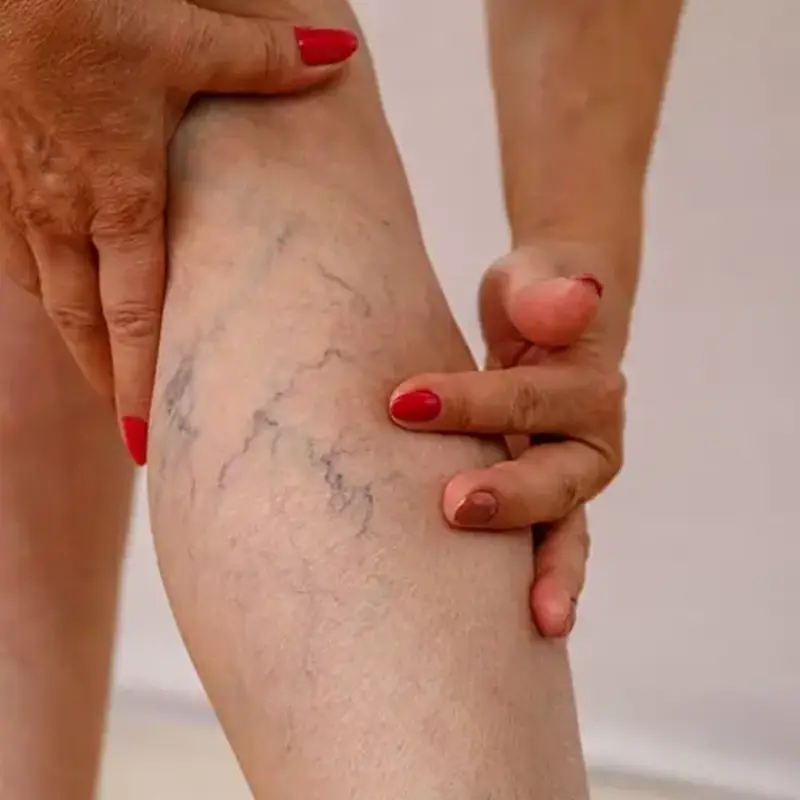
Spider veins

We treat many conditions that affect blood flow to your limbs and organs, including:

  • Abdominal aortic aneurysm (AAA)
  • Aortic aneurysm
  • Aortic occlusive disease
  • Atherosclerosis
  • Carotid artery disease 
  • Chronic venous insufficiency
  • Claudication 
  • Deep vein thrombosis (DVT)
  • Peripheral arterial disease (PAD)
  • Pulmonary embolism (PE)
  • Raynaud’s phenomenon
  • Renal vascular disease
  • Varicose veins (spider veins) and chronic venous insufficiency
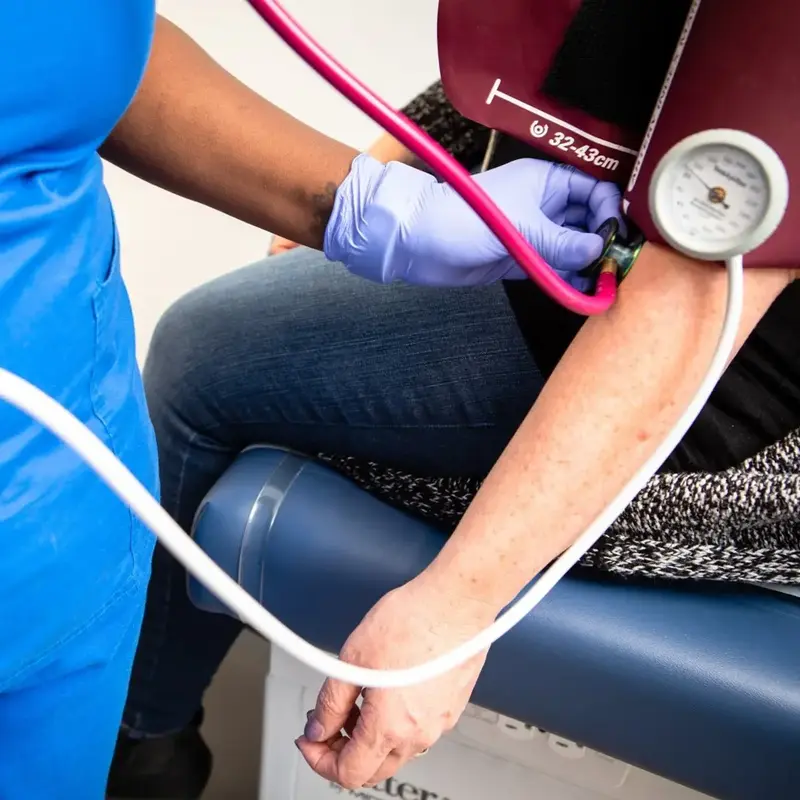
Nurse takes blood pressure

Most patients undergo testing in our vascular lab before starting treatment, so we can develop a treatment plan tailored to their needs and goals.

Vascular tests often include ultrasounds, which check how blood flows through your body and detect narrowing of the arteries or veins (stenosis). Ultrasounds can also help us find and measure aneurysms.

We may also use arterial testing to check how blood is flowing through your arteries. During this test, we’ll place blood pressure cuffs on your arms and legs. This will help us see whether your blood pressure drops are in certain parts of your body. We often use this test to check for PAD.

Couple walking at sunset

Some patients may benefit from medical treatment for their vascular condition. If you have stenosis in your arteries that has not progressed to the point where surgery is necessary, we may refer you to our vascular medicine specialist. We may use vascular medicine treatments before recommending surgery.

Our vascular medicine program includes an internal medicine doctor who specializes in treating vascular conditions. This specialist works closely with your primary doctor and other specialists to develop a plan to reduce your risk for more serious vascular conditions, such as aneurysm or stroke. The plan may include:

  • Dietary changes
  • Medication
  • Structured walking program
  • Smoking cessation
Pharmacist hands patient prescription

We offer a full range of medical and surgical treatments. Sometimes, treatments such as medication and lifestyle changes improve vascular conditions. Other times, you may need a more advanced treatment.

Our treatment options include:

  • Aneurysm repair to prevent aneurysm rupture
  • Angioplasty and stenting to improve blood flow in a blocked artery
  • Carotid endarterectomy to prevent stroke
  • Chronic wound and limb preservation care to help prevent limb amputation
  • Vascular medicine therapies, such as dietary changes, medications and smoking cessation to treat certain conditions
  • Venous procedures to address problems in veins, such as a DVT or venous insufficiency

Vascular disease often affects more than one part of the body, which means you may need more than one specialist. That’s why we work closely with experts in cardiac care, wound management, podiatry, rehabilitation therapy and primary care to ensure every aspect of your health is considered. Your providers will communicate regularly about your treatment plan, share your test results and streamline your experience.