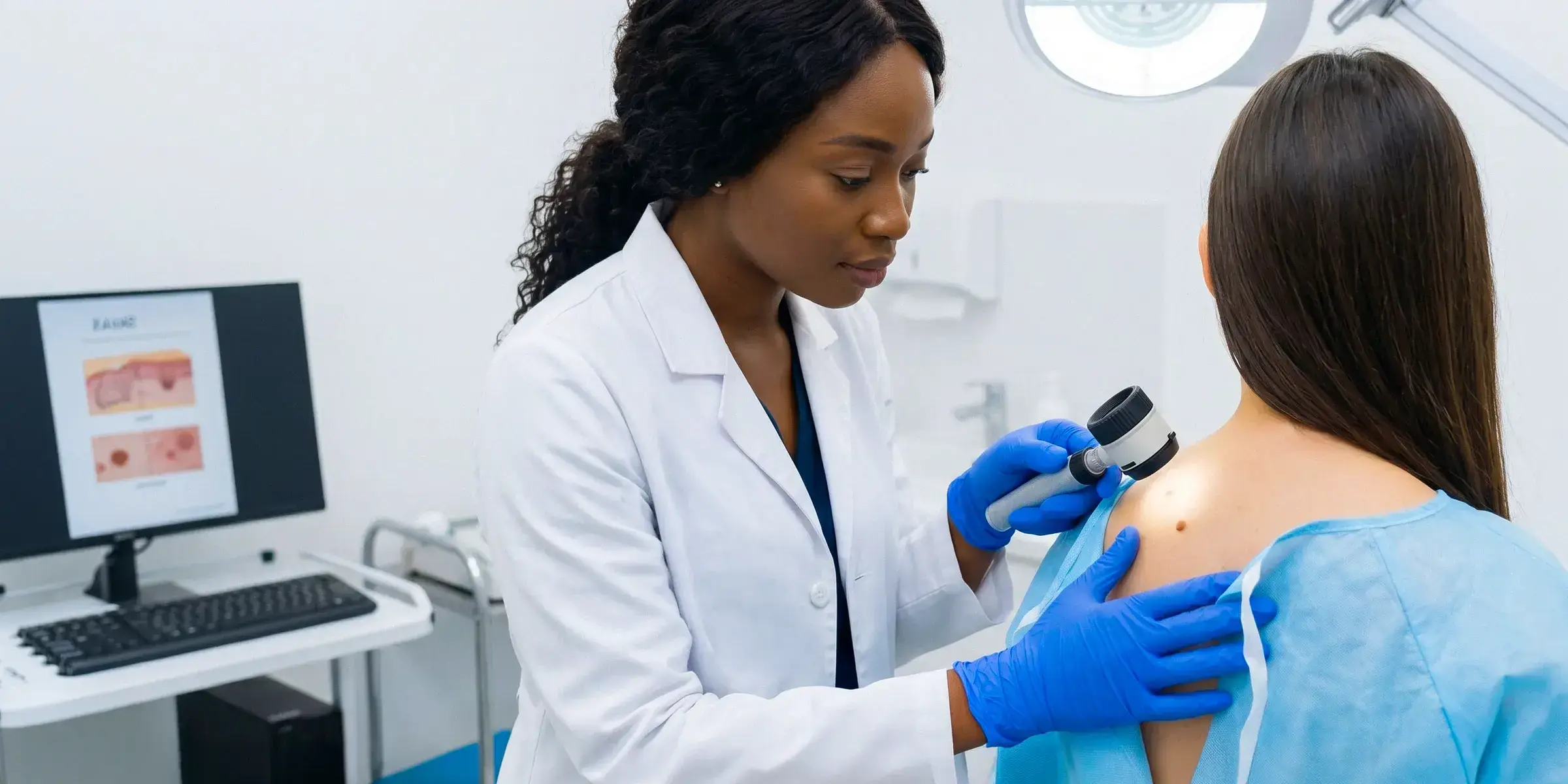
We understand that a skin cancer diagnosis can be concerning, and you likely have many questions about what comes next. The right treatment approach depends on the type and stage of your skin cancer, but you can be confident that our oncologists and hematologists are at the forefront of the latest advances in cancer care. Through infusion therapies, radiation, immunotherapies, targeted drug therapies, and access to clinical trials, our team offers a full range of options to effectively treat and manage skin cancer.
Why choose Roper St. Francis Healthcare
Conditions we treat
Changes in your skin can be easy to overlook or hard to interpret on your own. Whether you’ve noticed something new or have been monitoring a spot over time, getting it checked can bring clarity and peace of mind.

The full continuum of care
Skin cancer treatment is highly personalized and depends on several factors, including the type of cancer, whether it has spread, and your overall health and preferences.

Accurate diagnosis is the first step in effective treatment. While your primary care doctor or dermatologist may identify and remove early lesions, more aggressive or advanced cases require the expertise of our specialists.
These diagnostic methods may include skin biopsies to confirm the type of cancer:
- Excisional biopsy: removes the entire growth along with a small margin of surrounding skin
- Incisional biopsy: removes a portion of the growth, typically the area that appears most concerning
- Punch biopsy: uses a small, circular tool to take a deeper sample of skin.
- Shave biopsy: removes the top layers of skin for closer examination
Imaging tests: (CT, MRI, or PET scans) to look for signs of cancer beyond the skin
Other techniques: such as fine needle aspiration or image-guided biopsy, may be needed if suspected melanoma has spread
Lymph node evaluation: to check whether cancer has spread
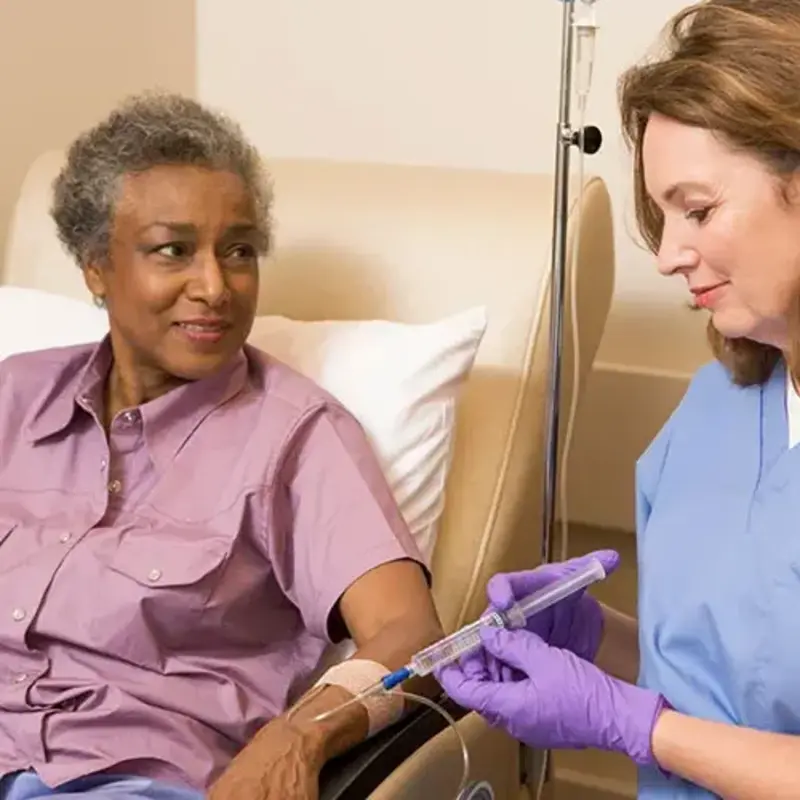
Skin cancer treatment is highly personalized and depends on several factors, including the type of cancer, whether it has spread, and your overall health and preferences.
Treatment options include:
Surgery: The most common and effective treatment for basal cell carcinoma (BCC) and squamous cell carcinoma (SCC), as well as many other skin cancers. Surgical removal can prevent local spread and recurrence.
Radiation Therapy: Uses high-energy beams to destroy cancer cells, often employed when surgery is not possible or to target areas at high risk for recurrence.
Immunotherapy: Harnesses your immune system to identify and attack cancer cells. This may be used for advanced melanoma or other aggressive skin cancers.
Targeted Therapy: Drugs that attack specific molecular changes within cancer cells, particularly useful for certain melanomas or rare skin cancers.
Infusion Therapy/Chemotherapy: Used in select advanced cases or aggressive cancers to slow or stop growth.
Clinical Trials: We also offer access to clinical trials, which may provide additional options and emerging therapies.

A diagnosis can affect more than your physical health. We provide guidance and support to help you navigate each phase of care with confidence, so you never feel alone in the process.
Our resources include:
- Cancer prevention and screenings to help you stay proactive about your health.
- Cancer survivorship program (THRIVE) to help you transition from treatment to active living
- Free legal clinic to provide guidance on documents like healthcare powers of attorney and living wills
- Healing Boutique offers products and services like wig fittings and comfort items
- Music therapy services to reduce anxiety and support emotional healing
- Smoking cessation program to provide the tools and support you need to quit tobacco
Your skin cancer care team
You’ll be cared for by a team that works together with your needs at the center. You can count on our dermatologists, oncologists and surgical specialists to collaborate closely, so your diagnosis and treatment plan are shaped by multiple perspectives.
-
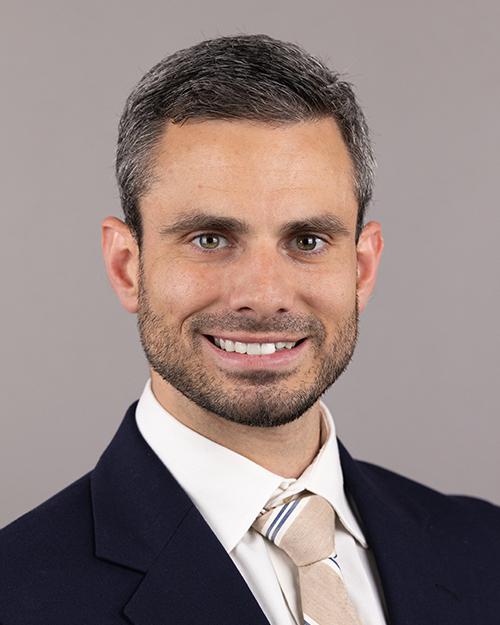
Bradley DePaoli, MD
Radiation Oncology
-
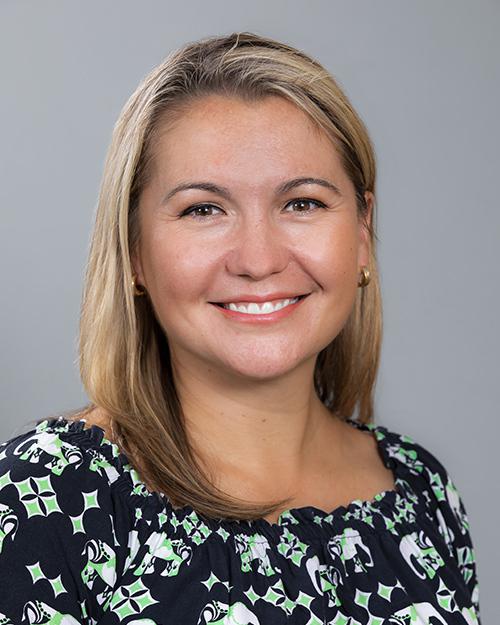
Annette Cruz, PAC
Radiation Oncology
-
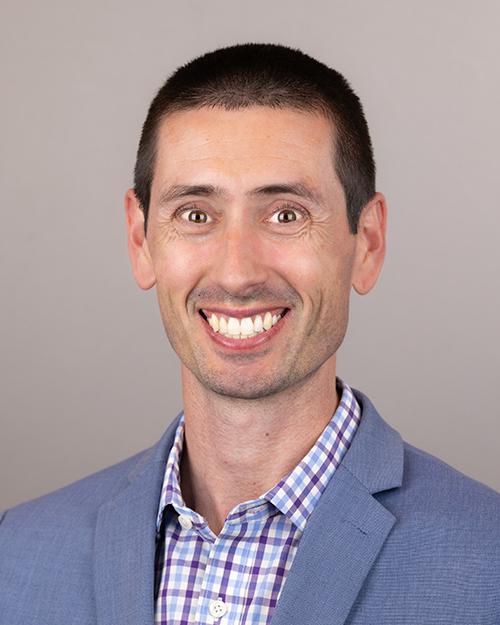
Brian Beaty, MD
Radiation Oncology
-
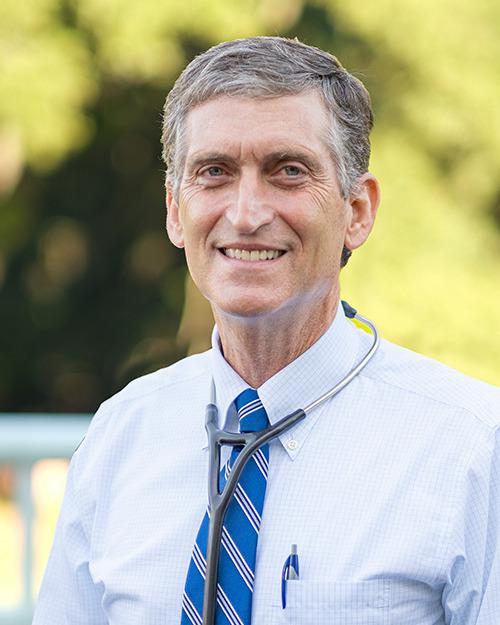 Accepting New Patients
David Ellison, MD
Benign Hematology, Hematology, Medical Oncology, Hematology Oncology, Breast Medical Oncology, Urologic Oncology, Neuro-Oncology, Cutaneous (Skin) Medical Oncology, Thoracic Medical Oncology
-
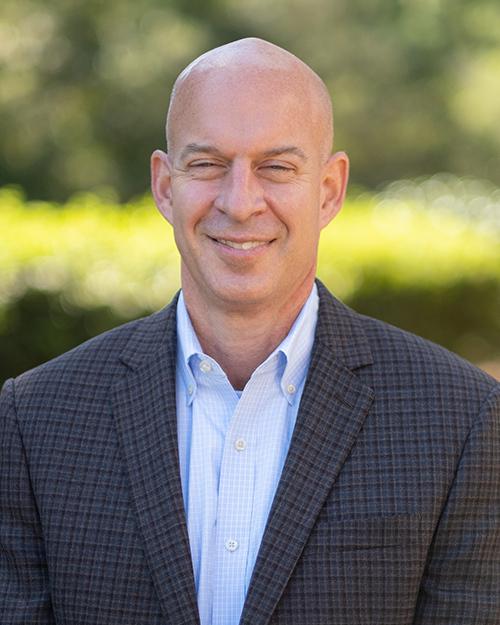 Accepting New Patients
Douglas Michaelsen, MD
Hematology Oncology, Benign Hematology, Hematology, Medical Oncology, Urologic Oncology, Gastrointestinal Medical Oncology, Neuro-Oncology, Cutaneous (Skin) Medical Oncology, Head and Neck Medical Oncology, Thoracic Medical Oncology, Sarcoma Medical Oncology
-
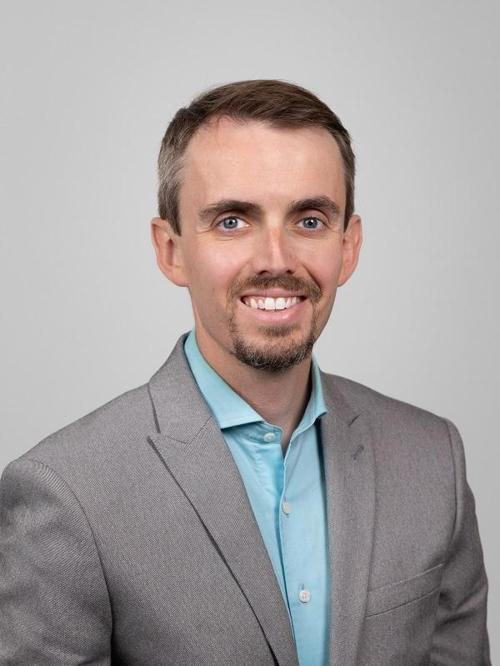
Stephen Ramey Sr., MD
Radiation Oncology
-
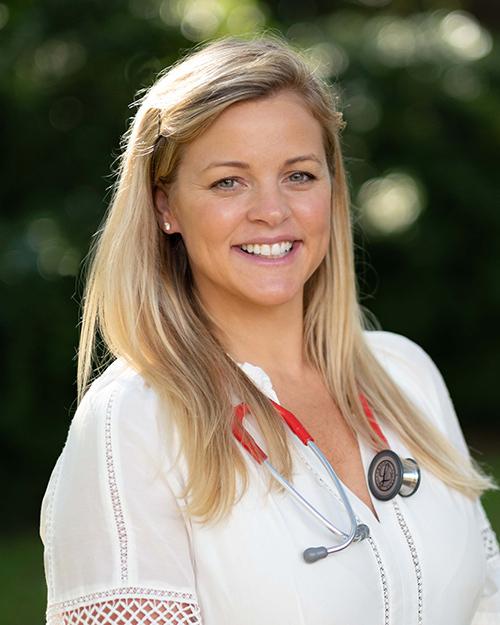 Accepting New Patients
Shelly Shand, MD
Medical Oncology, Hematology, Benign Hematology, Hematology Oncology, Breast Medical Oncology, Gastrointestinal Medical Oncology, Cutaneous (Skin) Medical Oncology, Head and Neck Medical Oncology
-
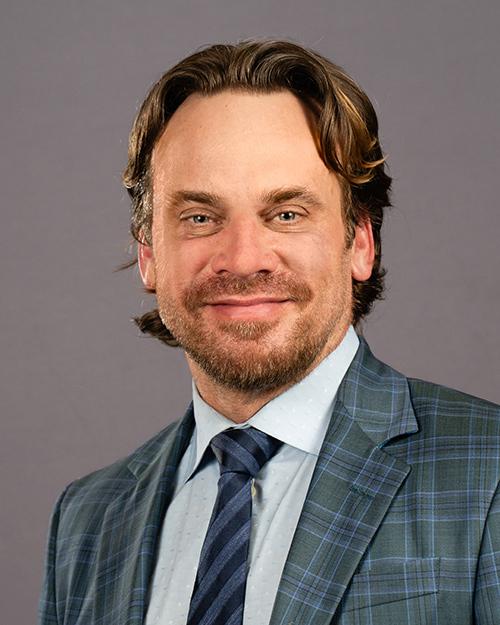 Accepting New Patients
Gene Saylors, MD
Hematology Oncology, Benign Hematology, Hematology, Medical Oncology, Breast Medical Oncology, Gastrointestinal Medical Oncology, Cutaneous (Skin) Medical Oncology, Thoracic Medical Oncology
-
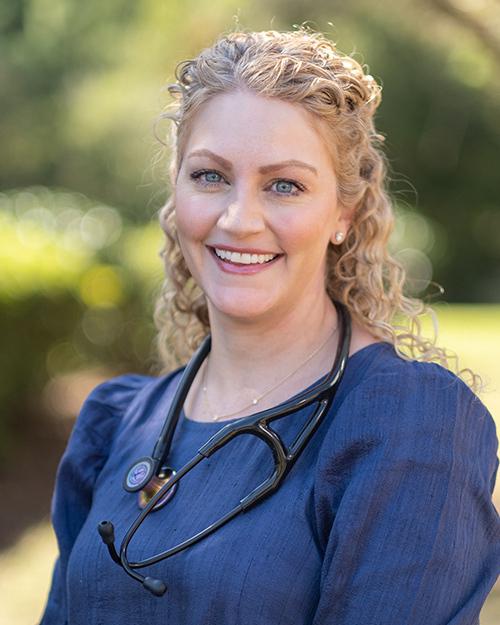 Accepting New Patients
Ashley Jeter, MD
Benign Hematology, Hematology, Medical Oncology, Hematology Oncology, Breast Medical Oncology, Urologic Oncology, Gastrointestinal Medical Oncology, Cutaneous (Skin) Medical Oncology, Head and Neck Medical Oncology, Thoracic Medical Oncology
-
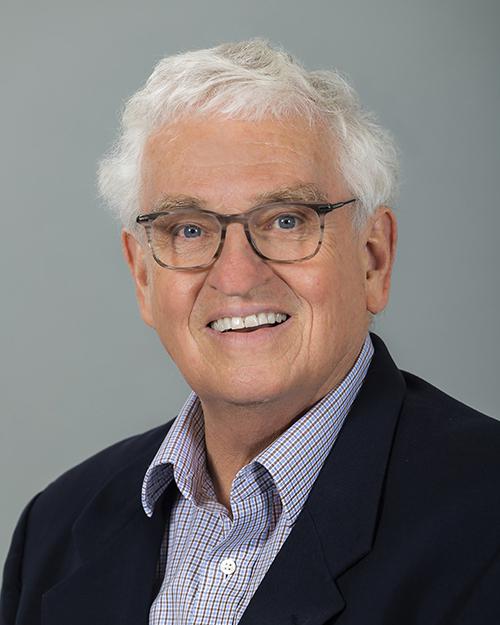
-
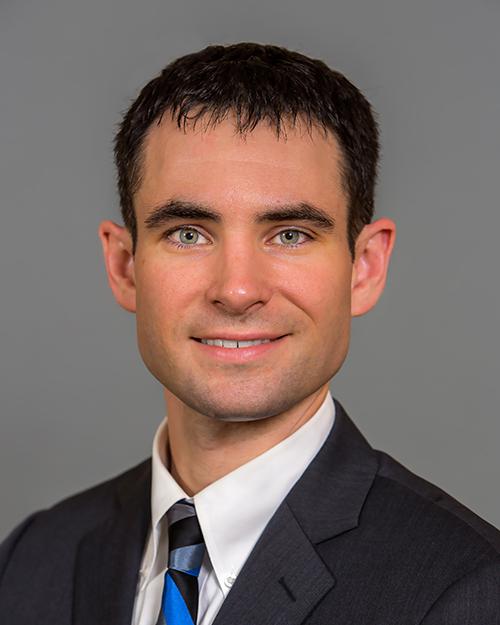 Accepting New Patients
Daniel Kirchoff, MD
Breast Surgical Oncology, Breast Surgery, Surgical Oncology
-
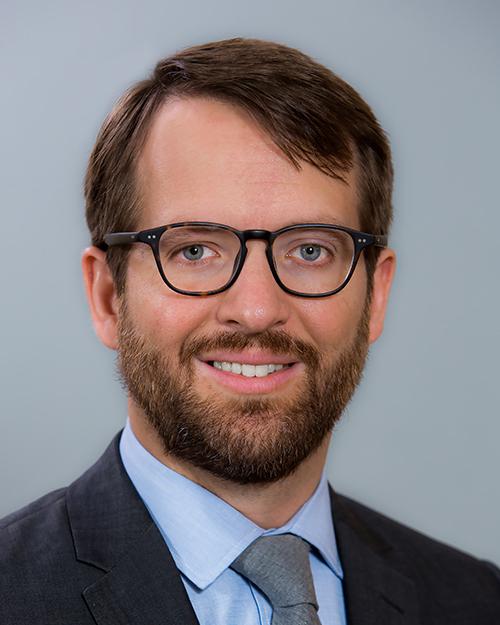 Accepting New Patients
Bernardo Franssen Canovas, MD
Breast Surgical Oncology, Breast Surgery, Surgical Oncology
-
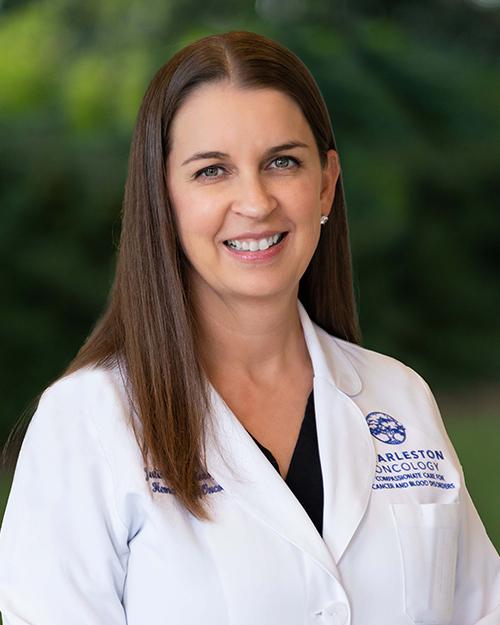 Accepting New Patients
Julia Saylors, MD
Hematology Oncology, Benign Hematology, Hematology, Medical Oncology, Breast Medical Oncology, Urologic Oncology, Gastrointestinal Medical Oncology, Cutaneous (Skin) Medical Oncology, Head and Neck Medical Oncology, Thoracic Medical Oncology
-
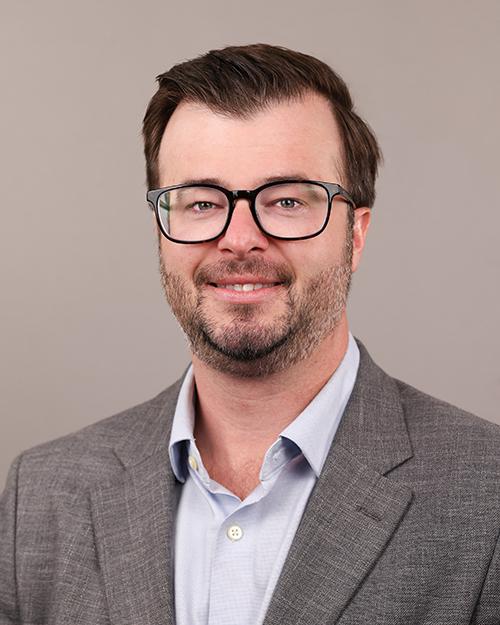
Michael Hall, MD
Radiation Oncology
People also ask
Get the answers to questions commonly asked about skin cancer.
Related services & specialties
Refer a patient
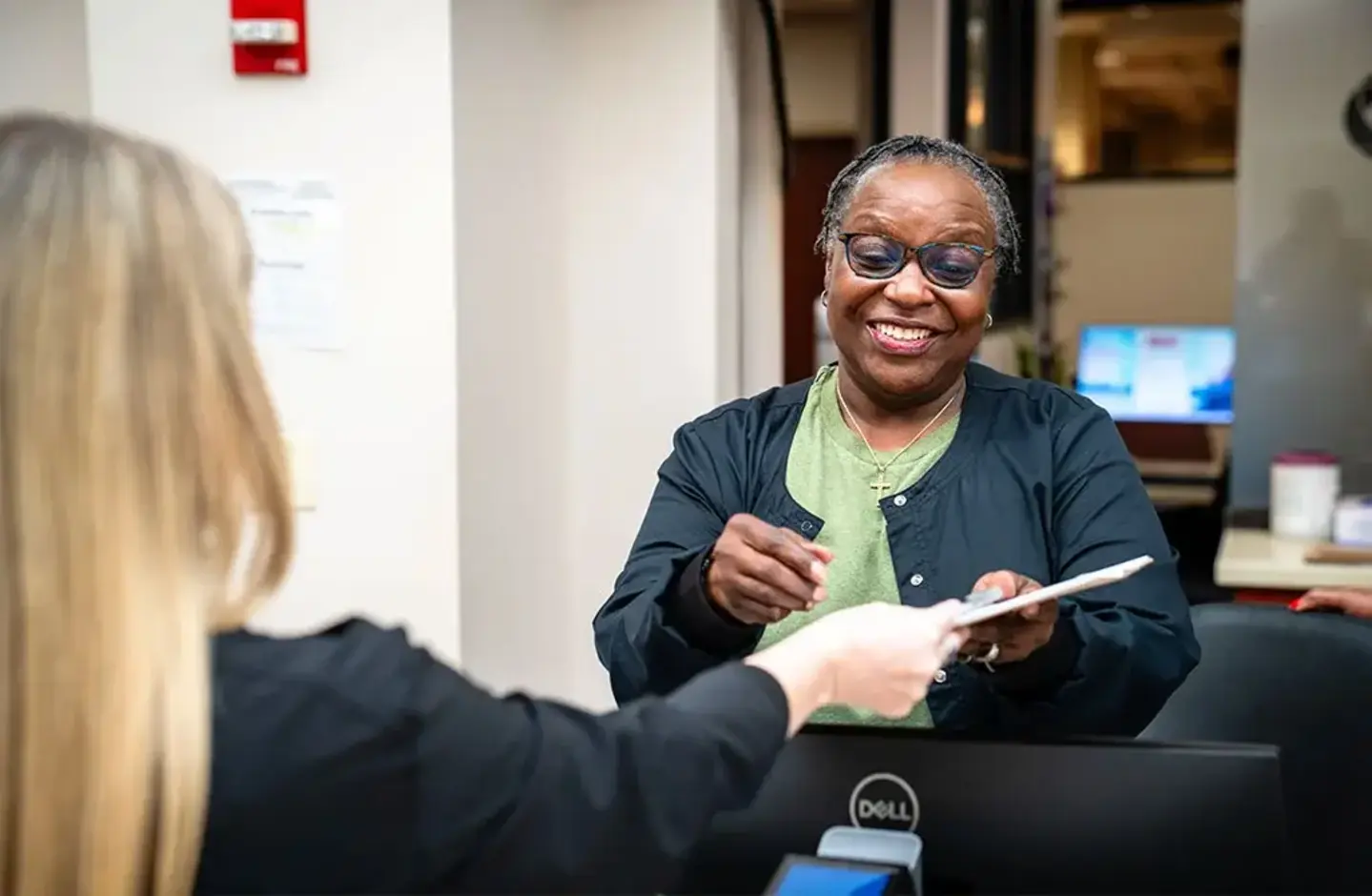
We’re here to support you and your patients with care. Our team makes the referral process simple and keeps you informed every step of the way.
-
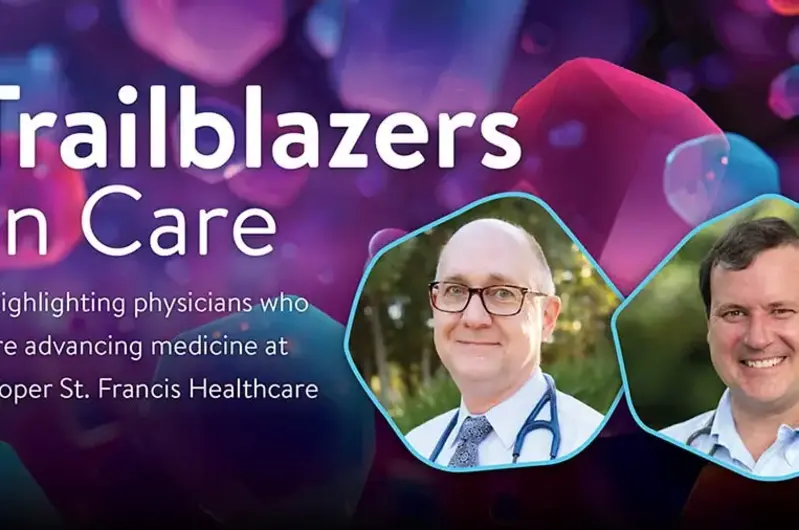 Technology & Innovation Trailblazing cancer care: CAR T-cell therapy arrives at Roper St. Francis Healthcare
March 19, 2026
-
-
-