When something feels off, you want answers and a care team that truly listens. Our specialists treat the full range of brain, spine, and nerve conditions with a thoughtful, personalized approach. We look beyond your symptoms to understand how you're feeling and what matters most to you. From your first visit through treatment, you'll receive clear guidance, compassionate care, and a care plan built around your life.
Top neurology experts
Full continuum of care
Our leading neurologists are experts in neuromuscular and electrodiagnostic medicine. With more than 20 years of experience treating a wide range of neurological conditions, we have the advanced training and depth of experience to diagnose and treat the most complex patients.

Common conditions we treat include:
- Dementia and memory loss: Dementia and memory disorders, which are often related to damaged nerves, affect how we store and recall information.
- Epilepsy and seizures: Seizures happen when there is a sudden surge of electrical activity in the brain. We work with you to understand and manage them.
- Headaches and migraines: From sudden, severe headaches to recurring migraines, we help identify the cause and find ways to reduce pain and disruption.
- Myasthenia gravis: A muscle-weakening disease, myasthenia gravis develops when there are communication problems between nerves and muscles.
- Neuromuscular conditions (including multiple sclerosis and Parkinson’s disease): These conditions affect how your nerves and muscles work together, often impacting movement and strength.
- Sleep disorders: Poor sleep can affect your overall health. We diagnose and treat a variety of conditions that disrupt your sleep patterns and quality.
- Stroke: A stroke happens when blood flow is blocked, or a blood vessel bursts.
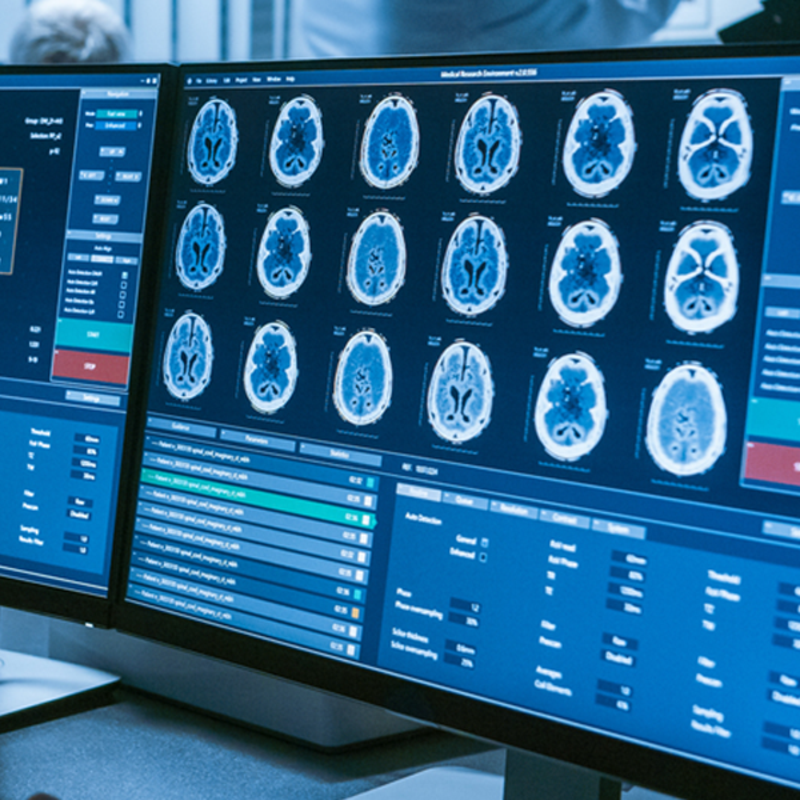
An accurate diagnosis is key to getting effective care. First, we talk with you about your medical history and listen carefully as you describe your symptoms. This helps us better understand potential causes and guides our diagnostic testing. We may order several tests and imaging techniques, and when needed, have access to advanced diagnostic equipment.
Common neurological tests include:
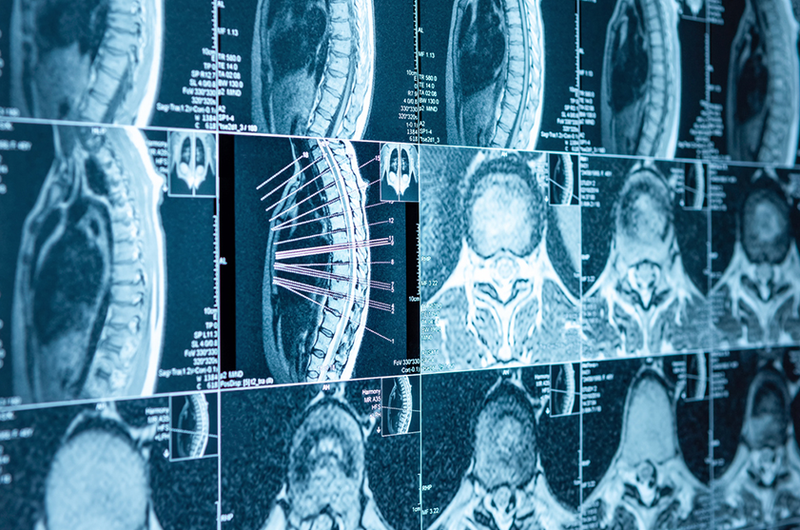
- CT scans and MRI can detect abnormalities, bleeding, and other problems in your brain, spine, and nerves.
- Electroencephalography (EEG) measures your brain’s electrical activity.
- Electromyography (EMG) and nerve conduction studies (NCS) measure how your nerves and muscles work.
We work closely with you to find what brings the most relief and fits your life, starting with the least invasive treatment options. As your needs change, we adjust your care plan, so you always have the right support at the right time.
Neurological conditions often require ongoing care. Our specialists are experts in long-term disease management and use a combination of medications and other treatments to keep your condition under control. We’ll monitor your progress closely and adjust your plan as your needs change. We may also refer you to specialized services, such as sleep medicine.
Your treatment plan may include:
- Customized medication plans to relieve symptoms or slow disease progression. We often use medicines to change chemical or electrical activity in your brain or help protect nerve cells.
- Injection therapy, such as Botox and steroids,to helpwith pain, movement disorders,migrainesand more.
- Lifestyle counseling to education on diet and nutrition, sleep, stress management and staying connected to others. The goal is to help manage your symptoms, so you can get back to enjoying the people and activities you love.
- Team-based care includes specialists beyond our neurology team to help you live as fully as possible. These experts may include physical, occupational and speech therapists, physiatrists, neurosurgeons, social workers, nutritionists and many others.
Your neurology team
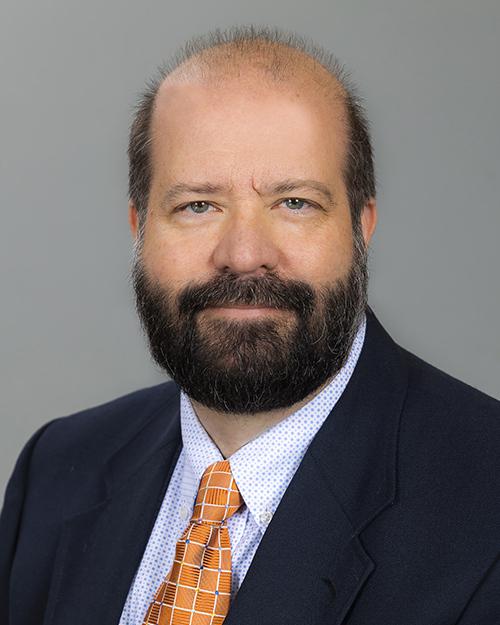
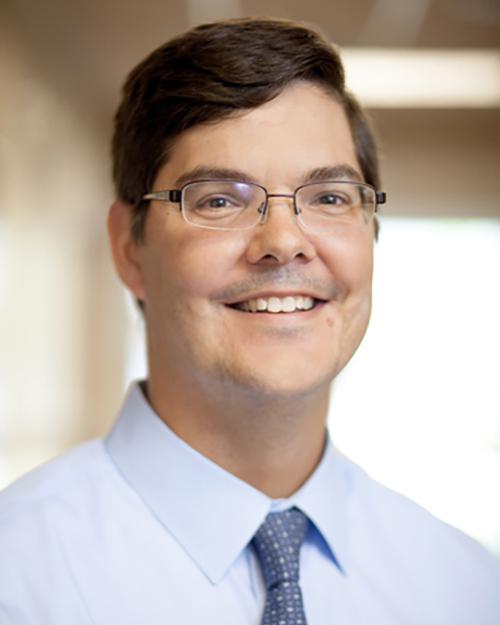
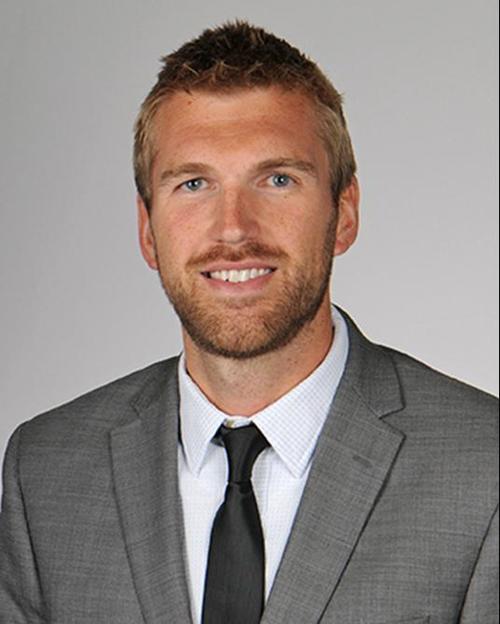
You deserve a team you can trust. Our board-certified neurologists bring years of specialized training and experience and make delivering care that feels personal their top priority. From your first visit through ongoing treatment, you’ll have a highly skilled team by your side, answering your questions and helping you move forward with clarity.


People also ask
We know neurological symptoms can be unsettling, and you may have questions before you seek care.
Related services and specialties
-
 Treatments & Conditions Epilepsy: What is it, how's it treated and why hope is a part of the plan
March 17, 2026 3 Minute Read
-
 Treatments & Conditions Neurosurgery: Expanding care and improving access for Tri-County patients
January 12, 2026
-
 Treatments & Conditions Epilepsy: What is it how’s it treated and why hope is a part of the plan
November 12, 2025
-

-

-
 Treatments & Conditions Here’s what you should know about shingles — and how to prevent it
January 4, 2022
-