Skip to content

Intragastric balloon

When you’ve had little success with diet and exercise alone, an intragastric balloon may be an effective solution for boosting your success. The Roper St. Francis Bariatric Surgery and Medical Weight Loss Program is one of the first in South Carolina to place these devices.

Couple dancing
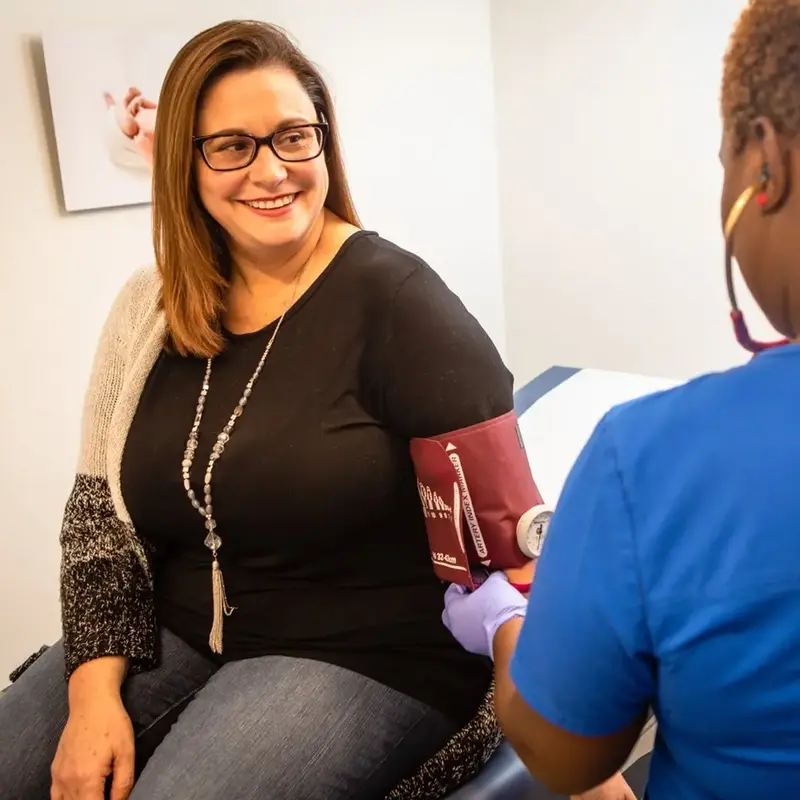
Woman at checkup

Our specialists can help you determine if an intragastric balloon is a good fit for you. But generally, patients who qualify are adults who:

  • Are willing to participate in a medically supervised coaching program
  • Have a body mass index (BMI) of 30 to 40

We will also talk to you about your medical history, since certain health conditions can affect its safe and effective use. We will likely discourage you from trying an intragastric balloon if you have:

  • Blood clotting disorder
  • Hiatal hernia
  • Liver disease
  • Peptic ulcer disease
  • Previous gastrointestinal surgery
  • Substance use disorder

Your care team will review a list of clear instructions, so you know exactly what to do before your procedure.  
 
These instructions will likely include: 

  • Following a special diet for several days before your procedure
  • Fasting for at least 12 hours before your procedure
  • Stopping certain medications (and possibly starting new ones, such as medicines to prevent reflux)
  • Stocking up on post-procedure supplies, such as certain foods and drinks
  • Arranging for transportation from your procedure, since you will be under sedation

There is also some helpful information you can gather now to be ready for procedure day, including a list of your current medications and allergies, your insurance card and photo ID.

Patient in waiting room

On procedure day, wear loose-fitting clothing. This is mainly to ensure your comfort, since you may experience a tender abdomen and bloating as you recover. 
 
Right before we start the procedure, we’ll give you light sedation to numb your throat and keep you relaxed. Placing your balloon typically takes between 20 and 30 minutes. Your physician will use an endoscope inserted into your airway to place the deflated silicone balloon and then fill it with saline until it’s about the size of a grapefruit.  
 
Placing your balloon is an outpatient procedure, which means you can go home the same day. Before you leave, we’ll ensure you know exactly how to manage at home for the easiest possible recovery — and best results.

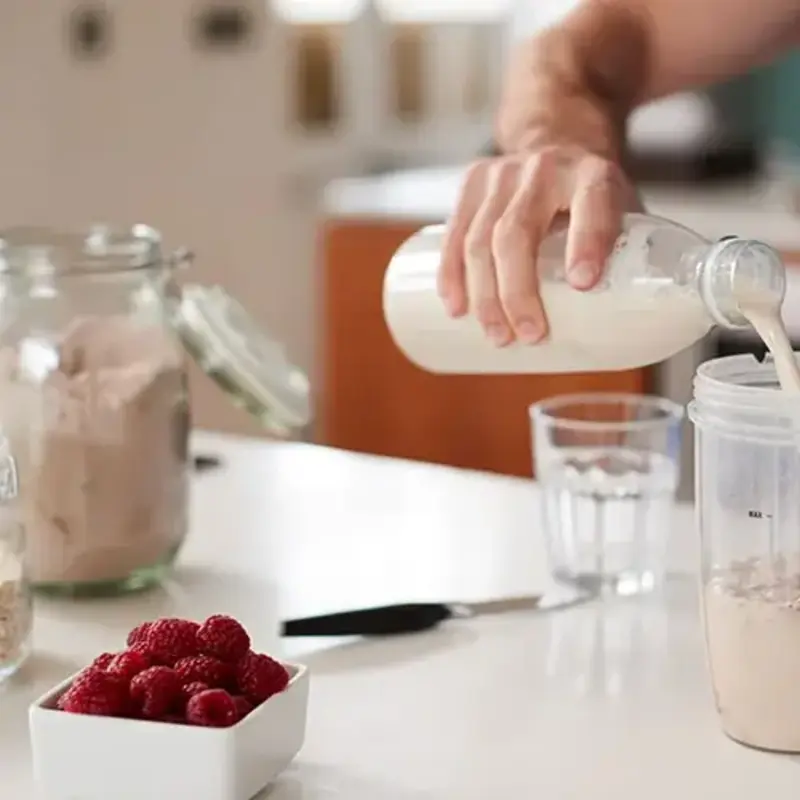
Making a shake

Your stomach needs time to adjust to the balloon. Side effects like abdominal cramping, nausea and vomiting, for example, are common during the first week. Following a liquid diet for several days can help you manage the discomfort, as can prescription medications if needed.

 
After that, you will have monthly check-in appointments to monitor your progress and measure your weight loss. For most people, most of their weight loss happens quickly in the first three months. During these monthly appointments, we may also adjust your nutrition plan or offer behavioral counseling.

man recovering after surgery

To remove the intragastric balloon, you will need another outpatient endoscopic procedure. During this procedure, we will puncture the balloon, suction out the saline and remove the deflated balloon. 

Patient lifts weights

After balloon removal, you will need to follow the same healthy, portion-controlled diet. It’s equally important to stay active. Our team will continue to support your health through customized nutritional guidance, fitness coaching, behavioral therapy and more.