
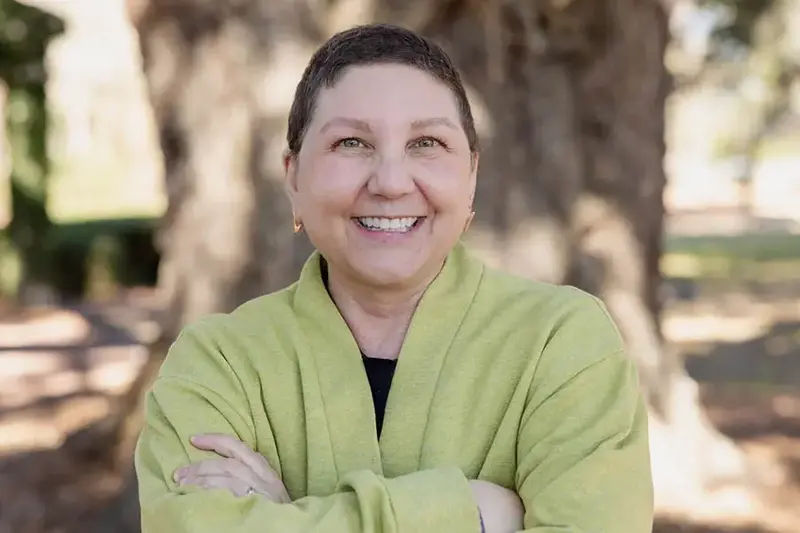
When Mia Chaveco was putting on lotion last summer, she noticed a lump on the edge of her breast implant. She brushed it aside as scar tissue. After all, she had beaten breast cancer nearly 20 years ago.
In that time, she had raised a daughter, moved to Charleston and built a career as a nurse at Roper St. Francis Healthcare. She had moved on with her life.
But something about the lump nagged at her.
Despite attempts not to worry, she kept feeling for it. She scheduled an MRI a few days later, and the results confirmed her worst fear: The cancer had returned.
“It was a huge shock,” Chaveco said. “I thought I had beaten it. Sometimes, I still wake up and can’t believe it happened again.”
As a nurse and two-time breast cancer survivor, Chaveco credits persistence, genetic testing and her Roper St. Francis Healthcare team for giving her strength and hope. Her story highlights how knowing your family history, insisting on screenings and partnering with a trusted care team can be lifesaving. At Roper St. Francis Healthcare, patients like Chaveco receive not only advanced treatments and technology, but also the dignity, empathy and empowerment to face their toughest diagnoses.
Knowing her risk
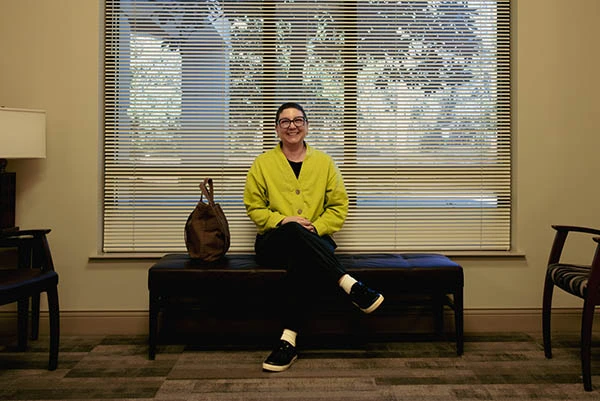
Breast cancer had been a looming part of Chaveco’s life long before her first diagnosis. Her mother was diagnosed with breast cancer at age 30 and passed away just nine years later. Losng her mom at such a young age left a lasting mark.
Later, genetic testing confirmed what Chaveco suspected all along — she carries the BRCA gene mutation that raises breast cancer risk.
“I didn’t know it then, but I know now that genetics played a role,” she said.
That painful family history led her to advocate for a mammogram when she turned 30, even when her physician at the time tried to dissuade her. She was living in New Jersey, working as a nurse and chasing after her 3-year-old daughter.
“Insurance didn’t want to cover the baseline mammogram because I was too young,” she said. “But I insisted. My mom was the same age when she was diagnosed. I knew I couldn’t ignore that risk.”
That mammogram revealed Stage 1 breast cancer.
'The best chance at life'
Even as a nurse, the diagnosis was overwhelming. But the clinical background gave her the confidence to ask questions, research options and insist on a treatment plan that worked best for her. While many physicians might have recommended a lumpectomy and close monitoring, Chaveco wanted to take a much more aggressive approach.
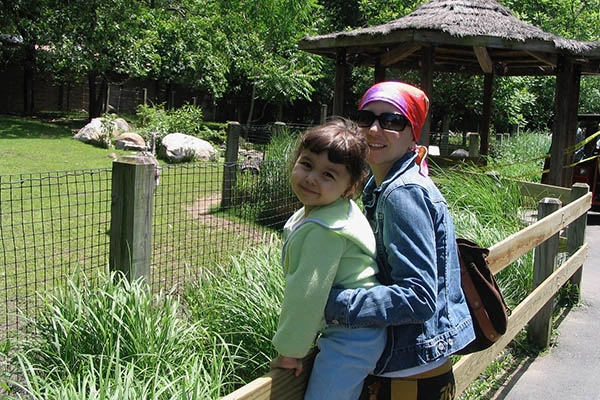
“I looked at my daughter and thought, I want to do everything I possibly can to be here for her,” she said. “I wanted the best chance at life."
She pushed for a bilateral mastectomy, reconstruction and chemotherapy. She did her own research and asked her oncologist at the time to try a new test called Oncotype that could help decide whether chemo was worth it for her. The results confirmed that chemo would significantly reduce her chances of recurrence, so she said yes.
She finished her treatment in May 2006, moved to Charleston that September and began working for Roper St. Francis Healthcare. Never wanting to be defined by her diagnosis, the change of scenery helped her heal.
“I felt like I bounced back quickly because I was young,” she said, “and having a toddler keeps you on your toes.”
Cancer felt like part of her past for nearly two decades. But one day, as she was putting on lotion, a small lump would bring it back to the forefront of her life.
A rare recurrence
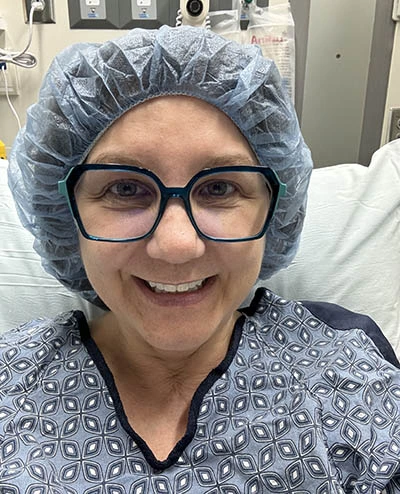
When Chaveco was diagnosed with breast cancer a second time in 2024, the cancer was Stage 2A, with a few lymph nodes in her chest showing signs of disease.
Her care team at Roper St. Francis Healthcare — oncologist Dr. Shelly Shand and breast surgeon Dr. Philip Albaneze — built an aggressive treatment plan, giving Chaveco agency throughout the entire process. She would undergo surgery, chemotherapy and 31 rounds of radiation.
Dr. Shand acknowledged that Chaveco’s case is rare.
“The chance of recurrence or developing breast cancer after removing the breast tissue in a double mastectomy is very low,” Dr. Shand said. “Mia found this nodule on her own. That’s why vigilance, breast awareness and self-exams are so important.”
Unlike the first time, Chaveco decided against reconstruction.
“At 50, I knew I didn’t want more surgeries,” she said. “I just wanted the implants removed. Cancer makes you feel out of control, but this was one decision I could make.”
Her nursing career had given her more medical literacy than the average person and also shaped the way she approached her choices.
“I knew I had to speak up for myself, and my care team respected that,” she said.
Dr. Shand shared how important it is for patients to have a sense of agency.
“The reality is there is a lot beyond our control,” Dr. Shand said. “But we do everything we can while knowing our limitations. Shared decision making is a critical part of our care philosophy. When patients make choices that align with their values, it empowers them.”
'The pursuit of positive outcomes'
Chaveco’s favorite memories from throughout her nursing career are about helping patients feel human, like holding up a phone so that a father could see his child born, or making sure a woman experiencing pregnancy complications got to hug her beloved pup after two months away from home.
When Chaveco found herself in the patient’s shoes this time, she received that same level of dignity and compassion from her team at Roper St. Francis Healthcare. From primary care and oncology to her post-surgery hospital stay and radiation, every aspect of her care team brought her the reassurance and emotional comfort she needed, Chaveco said.
“Dr. Albaneze spent more than an hour with me at our first appointment,” she said. “I was in shock and couldn’t absorb anything, but he was patient. When I came back with more questions, he answered them all. That compassion meant everything to me.”
Chaveco describes her care team as a lifeline during those frightening months.
“I recognize the immense weight that each of them carries in having difficult conversations with patients,” she said. “Their care and expertise give hope to patients in their darkest, most challenging times. That is what they were able to do for me.”
Now that she has completed treatment, Chaveco has begun a cutting-edge monitoring approach using a blood test called Signatera, which can detect fragments of tumor DNA circulating in the bloodstream. The negative tests give her peace of mind.
For Chaveco, the second diagnosis has been much harder than the first.
"It hit me so much harder,” she said. “I knew more, and I was more afraid. But I also felt more empowered. I could ask questions, make choices and be a part of the plan. I couldn’t be more grateful for a care team that accommodated that.”
Throughout her treatment, Chaveco also found immense comfort in her work family at Roper St. Francis Healthcare.
“Prayers, hugs, good vibes, texts and calls always reminded me that when my treatment was over, I would have great friends welcoming me back,” she said.
Being your own advocate
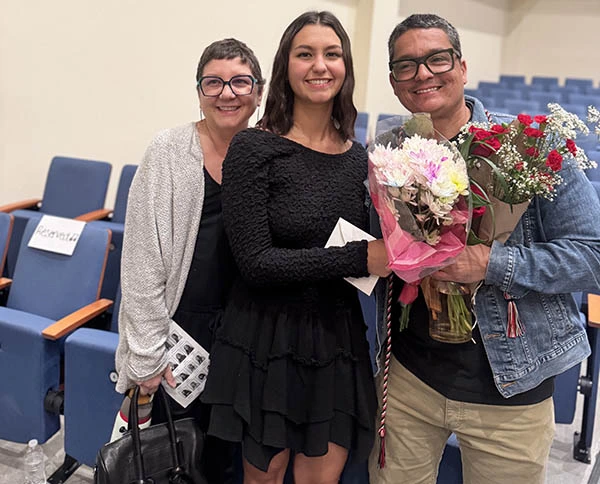
As a nurse, Chaveco knows how intimidating the healthcare system can be for patients. But she also knows patients have more power than they realize.
“No doctor felt my lump — I found it,” she said. “You always know your own body best.”
Dr. Shand agreed.
“She trusted her instincts that something was wrong,” Dr. Shand said. “There’s no real science to that. Early detection is the most powerful tool we have. Screening and self-exams save lives every day.”
One in eight women in the U.S. will be diagnosed with breast cancer in their lifetime, according to the National Breast Cancer Foundation. Chaveco encourages others, especially younger women, to push for answers if something feels wrong.
“Doctors sometimes dismiss concerns because of age, but breast cancer is showing up in younger and younger women. Find someone who will listen like my team at Roper St. Francis Healthcare did,” she said.
Chaveco’s daughter, now in her 20s, has also tested positive for the BRCA gene. She is already being closely monitored by Roper St. Francis Healthcare's Cancer Care team, something Chaveco sees as both sobering and hopeful.
“It’s hard knowing she carries the same risk,” Chaveco said. “But because we know, she has options I never had at her age. She’s empowered to be proactive.”
From patient to powerful advocate
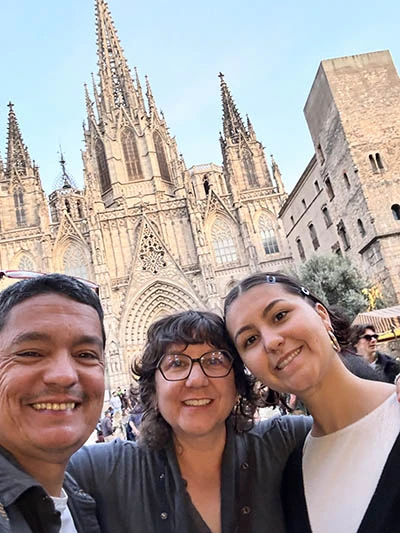
Now back at work, Chaveco is careful about her health but committed to living fully.
She and her husband recently traveled to Montreal — their first big trip since treatment — and she continues to spend time with friends, walk on the beach and enjoy movies and music.
“I just love life so much,” she said. “That’s what made cancer so hard. I’m not ready to go.”
She has turned her journey into a way to raise awareness.
As both a nurse and breast cancer survivor, Chaveco hopes her experience will encourage others to know their family history, pursue screening and never hesitate to speak up. She has cared for patients in their most vulnerable moments and has been that patient herself. “I want my story to help others,” she said. “If sharing this reminds even one person to get screened or to speak up when something feels wrong, it’s worth it.”
Early action saves lives.Request an appointment or learn more about our breast cancer services close to home.
-
 Treatments & Conditions Roper St. Francis Healthcare launches Mobile Care for You unit to expand access across Lowcountry
October 1, 2026 5 Minute Read
-
 Treatments & Conditions Roper St. Francis Healthcare first in state to offer promising new pancreatic cancer therapy
September 17, 2026
-
 Healthy Living A primary care doctor’s best advice before your first visit
July 23, 2026 3 Minute Read
-

-
 Technology & Innovation Trailblazing cancer care: CAR T-cell therapy arrives at Roper St. Francis Healthcare
March 19, 2026
-
 Treatments & Conditions Epilepsy: What is it, how's it treated and why hope is a part of the plan
March 17, 2026 3 Minute Read
-
-
 Our Stories Gynecologic cancers: How brachytherapy afterloaders improve survival reduce side effects
March 12, 2026
-
 Our Stories Integrating plastic and reconstructive surgery into colorectal cancer care
March 6, 2026
-
 Our Stories Dr. Jorge Lagares-García reaches surgical milestone at Mount Pleasant Hospital
March 2, 2026
-
 Treatments & Conditions A high-pressure situation: Is this chest discomfort the sign of a heart attack or merely indigestion
February 13, 2026
-
-
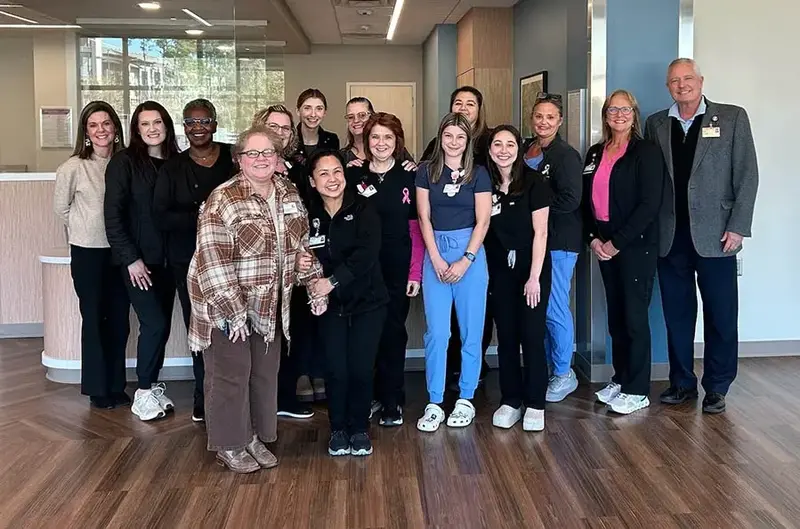 Our Impact The Berkeley Hospital Mammography Team receives Excellence in Action Award
February 6, 2026