
With reductions to federal Supplemental Nutrition Assistance Program (SNAP) benefits this year, thousands of Lowcountry families are facing new challenges putting healthy meals on the table.
As one of the region’s largest not-for-profit health systems, Roper St. Francis Healthcare partners with local food pantries, funds nonprofits through community grants and operates programs that make nutritious food more accessible for patients and neighbors in need.
“Access to healthy food is foundational to good physical and mental health,” said Renee Linyard-Gary, Associate Vice President of Community Health. “That’s why we take a holistic approach to healing, one that extends beyond the walls of our hospitals and clinics.”
Greer Transition Clinics and Health Services Center
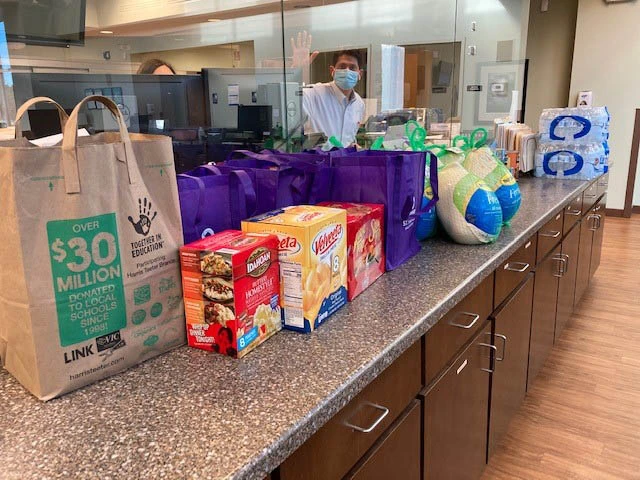
The Greer Transitions Clinics in North Charleston and Moncks Corner serve patients who are uninsured or underinsured and lack a medical home. Along with preventive care, social services and transportation assistance, both clinics offer stocked food pantries filled with healthy staples and fresh produce.
Patients can also receive nutrition education and practical tips for maintaining a balanced diet on a limited budget, helping them manage chronic conditions and build healthier habits.
The Health Services Center operates a similar pantry model, providing patients and families with convenient access to nutritious food and household essentials.
Throughout the year, Community Health also hosts food giveaways, such as the upcoming event on Nov. 15 at the Greer Transitions Clinic, extending these vital resources even further into the community.
Supporting food banks and pantries
Through donations, volunteerism and grants, Roper St. Francis Healthcare supports food pantries and nutrition programs across Charleston, Berkeley and Dorchester counties, including:
- Charleston County Public Library’s Free and Fresh Fridges program
- Feed Berkeley SC
- Fresh Future Farm’s Expanding Food Access program
- Green Heart Project’s Farm to School program
- Lowcountry Food Bank
- Lowcountry Street Grocery
- South Carolina Coastal Conservation League’s GrowFood Carolina
These partnerships are part of a broader movement to integrate food access into healthcare delivery.
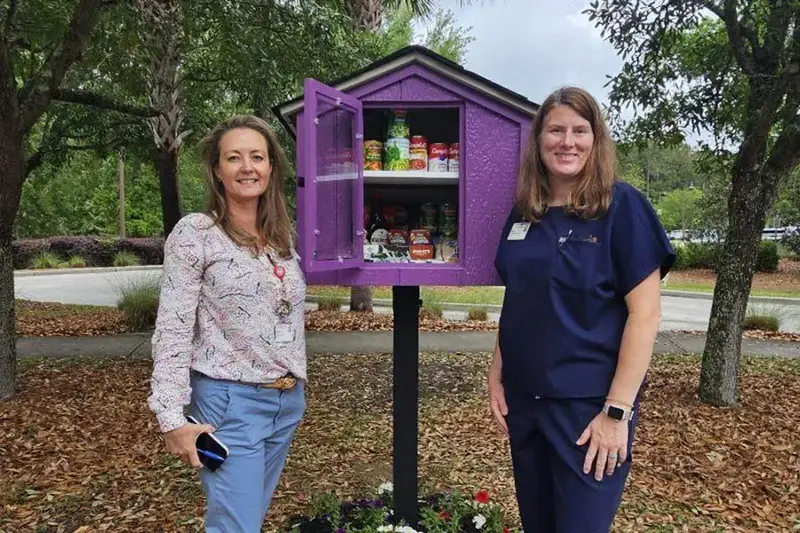
All four hospitals keep Blessing Boxes stocked on their campuses as well.
“Food is medicine,” Linyard-Gary said. “When we invest in healthy food programs, we’re not just fighting hunger — we’re building a stronger, healthier community.”
Investing in community food programs

In 2025, Roper St. Francis Healthcare awarded $400,000 in Community Investment grants to 57 organizations enhancing health and well-being across the Lowcountry, 15 of which directly address food insecurity.
From mobile meal programs to school gardens, these efforts reflect Roper St. Francis Healthcare’s enduring mission to care for the whole person and tackle the social determinants that shape overall health.
-
-
 Our Impact Mental Health Awareness: Recognizing and Addressing Common Disorders
February 2, 2026 12 Minute Read
-
-
-

-

-
 Our Stories Record-breaking elite wheelchair racer shares his story ahead of the Bridge Run
March 30, 2023
-

-
 Community Health Roper St. Francis helps introduce recreation complex to Goose Creek residents
January 4, 2023
-
-
 Our Impact Roper St. Francis Healthcare supports Ukrainian hospital with medical supplies
June 2, 2022
-
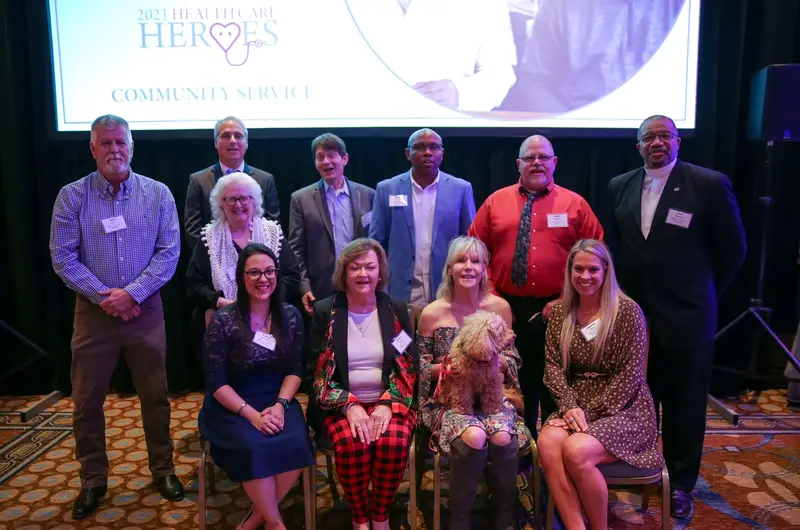 Our Stories Eleven Roper St. Francis Healthcare teammates volunteers recognized as Health Care Hero honorees
November 16, 2021