Skip to content

Concussion Management Program

At Roper St. Francis Healthcare, we understand that concussions can affect how you think, feel and function day to day. Our team provides careful evaluation and personalized care to support your recovery and help you get back to your routine.

doctor examining student athlete
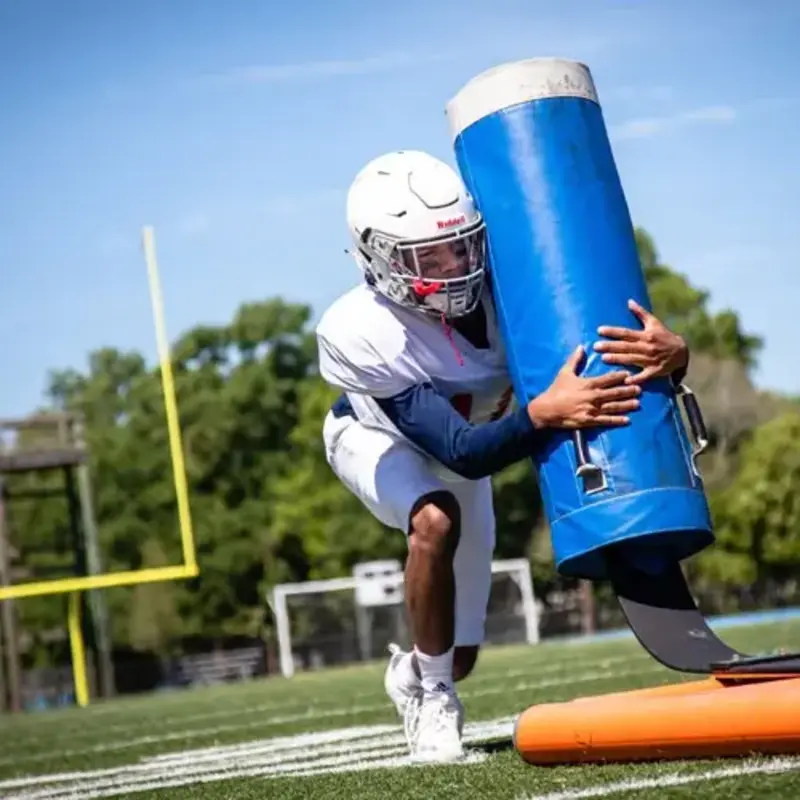
Football tackle practice

A concussion is a type of traumatic brain injury that happens when a sudden impact or jolt makes the brain move within the skull. This movement can disrupt normal brain function, even in the absence of visible injury. Symptoms can vary from person to person and may appear right away or develop over the hours or days following an injury.

Common causes include:

  • Car or bike accidents
  • Direct blows to the head, face or neck
  • Falls at home, work or during activities
  • Sports-related impacts or collisions
  • Sudden acceleration or decelerations (whiplash)
Student runner knee injury

Even if you’re not having symptoms, you should always get checked for a concussion before returning to play after any head injury.

Symptoms can include:

  • Blurred or double vision
  • Confusion or feeling “foggy”
  • Difficulty concentrating or remembering
  • Dizziness or balance problems
  • Fatigue or drowsiness
  • Headaches or pressure in the head
  • Nausea or vomiting
  • Sensitivity to light or noise

You should also see a doctor if you’ve taken a hit or bumped your head and notice lasting or severe symptoms, especially if they worsen after rest. It’s important to pay attention to how you feel in the hours and days after an injury. If you notice any changes, seeking care early can help support a safer, more complete recovery. 

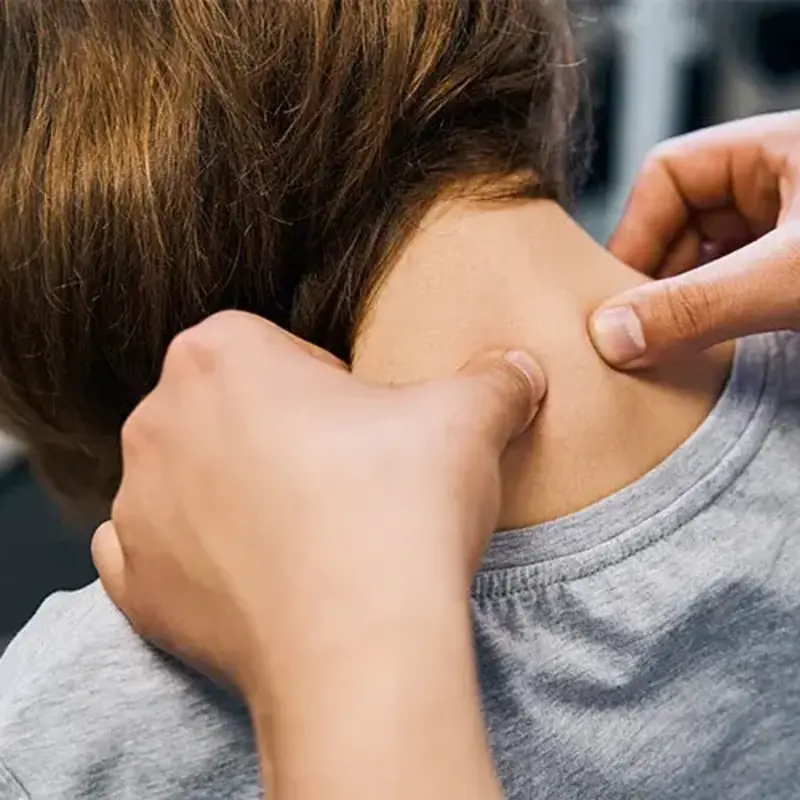
Doctor checks neck

Working together, our neurology and sports medicine specialists follow evidence-based protocols to diagnose and treat concussions.

  • Step 1: We do an evaluation and learn about your symptoms.
  • Step 2: We perform various physical and cognitive tests as needed.
  • Step 3: We create a personalized rest-and-recovery plan.
  • Step 4: We give you return-to-learn or return-to-play clearance once you’ve recovered.

From careful diagnosis through guided recovery, we make sure you’re fully ready to get back to the activities you love.

student athlete talking with physical therapist

Rushing back into action too soon after a concussion may increase the risk of long-term problems. Our return-to-play process ensures you’re ready to safely and confidently resume school, sports or daily activities.

This process includes:

  • Communication with parents, coaches and trainers
  • Education on injury prevention and brain health
  • Gradual reintroduction to movement and exercise
  • Ongoing monitoring by our expert care team