
Gynecologic cancers affect some of the most personal aspects of your health, so your care should be both highly specialized and deeply respectful. Our multidisciplinary team, includes gynecologic oncologists, radiation oncologists, pathologists and other specialists, who work together to create personalized treatment plans focused on achieving the best possible outcomes while supporting your comfort and dignity. As the first in the region to offer highly precise robotic surgery for gynecologic cancer, Roper St. Francis Healthcare provides advanced treatment options designed to improve recovery and personalize your care.
Our approach
What to expect from diagnosis through treatment
Gynecologic cancers can cause a range of symptoms, and many may be subtle or easy to overlook in the early stages. Paying attention to changes in your body and discussing them with your doctor is an important step in early detection.

Our team provides expert, compassionate care across a full range of these conditions, including:
- Cervical cancer
- Endometrial cancer: cancer of the uterine lining
- Fallopian tube cancer
- Ovarian cancer
- Uterine cancer (including cancers of the uterus beyond the lining)
- Vaginal cancer
- Vulvar cancer

Common signs and symptoms include:
- Abdominal bloating or swelling
- Changes in bowel or bladder habits, such as constipation or frequent urination
- Difficulty eating or feeling full quickly
- Pain or pressure in the pelvis or abdomen
- Persistent fatigue
- Unusual vaginal bleeding, including bleeding after menopause or between periods
- Unusual vaginal discharge
If you notice any of these symptoms or something doesn’t feel right, it’s important to talk with your doctor, getting answers early can make a meaningful difference.
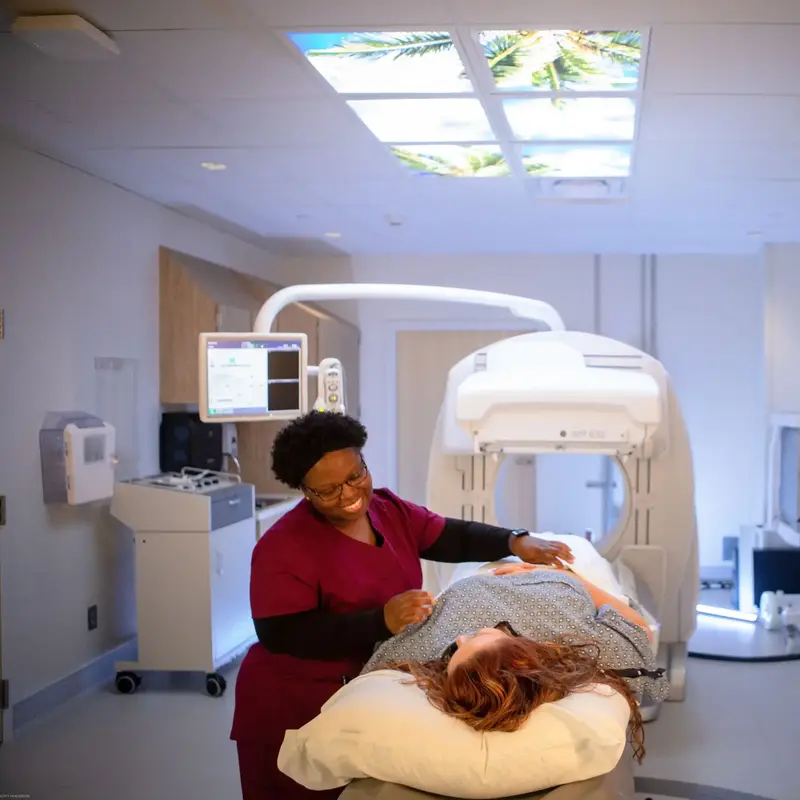
Gynecologic cancers are diagnosed using a thoughtful, step-by-step approach that combines advanced technology with expert evaluation.
Your care team works to identify cancer as early and accurately as possible using a range of diagnostic tools, including:
- Biopsy to remove a small sample of tissue for detailed examination under a microscope and confirm a cancer diagnosis
- Colposcopy to closely examine the cervix, vagina or vulva using a special magnifying instrument if abnormal cells are suspected
- Hysteroscopy to look inside the uterus with a thin, lighted scope and evaluate abnormal bleeding or tissue changes
- Imaging studies (such as MRI, CT scans or ultrasound) to create detailed pictures of the body and help locate or assess tumors
- Pap test (in which cervical cells are studied to look for changes) to detect precancerous or cancerous cells early
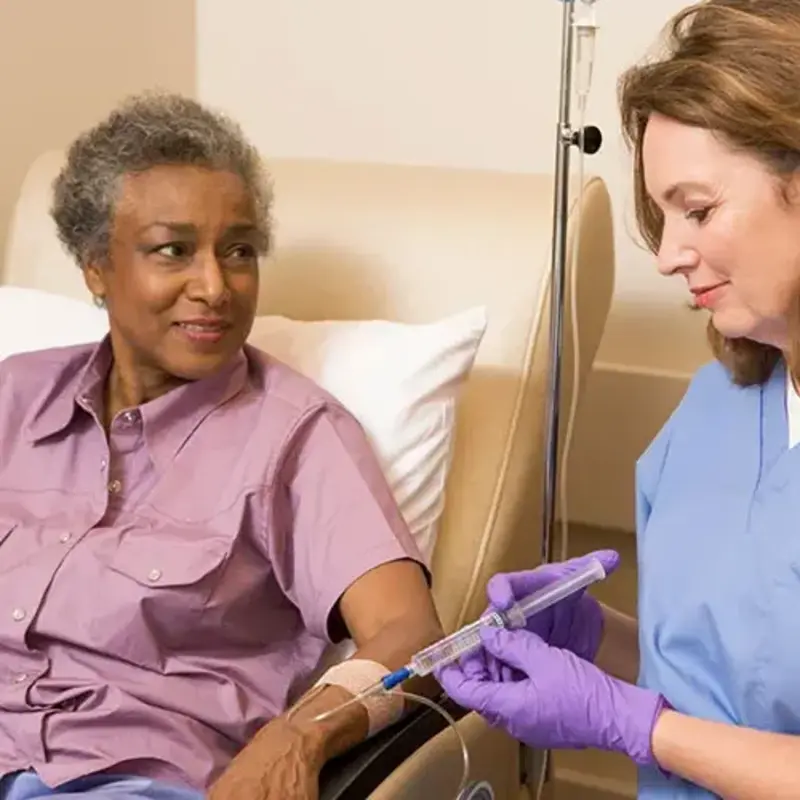
Treatment for gynecologic cancers is tailored to your type of cancer and its stage. Our experienced team uses advanced therapies and a personalized approach to deliver the most effective care possible.
Treatment options may include:
- Biological therapy to help the body’s immune system recognize and fight cancer
- Chemotherapy or intraperitoneal chemotherapy to target cancer cells throughout the body
- Electrocoagulation (heat) therapy or laser ablation to remove or destroy abnormal cells
- Minimally invasive, robotic and reconstructive surgery to remove cancer while preserving as much healthy tissue as possible
- Radiation therapy, including brachytherapy, to precisely target and treat cancer
- Targeted therapies that focus on specific characteristics of cancer cells
- Vaccines designed to help prevent or treat certain gynecologic cancers
You may also be eligible to participate in a clinical trial or research study, giving you access to emerging treatments and promising new therapies not yet widely available.

A diagnosis can affect more than your physical health. We provide guidance and support to help you navigate each phase of care with confidence, so you never feel alone in the process.
Our resources include:
- Cancer prevention and screenings to help you stay proactive about your health.
- Cancer survivorship program (THRIVE) to help you transition from treatment to active living
- Free legal clinic to provide guidance on documents like healthcare powers of attorney and living wills
- Healing Boutique offers products and services like wig fittings and comfort items
- Music therapy services to reduce anxiety and support emotional healing
- Smoking cessation program to provide the tools and support you need to quit tobacco
Your gynecologic cancer care team
Your gynecologic care team may include gynecologic oncologists, medical oncologists, radiation oncologists, surgeons, pathologists, radiologists, nurse navigators and other supportive care specialists who work together to guide your care.
-

Michael Hall, MD
Radiation Oncology
-

-

Stephen Ramey Sr., MD
Radiation Oncology
-

-

Bradley DePaoli, MD
Radiation Oncology
-

Annette Cruz, PAC
Radiation Oncology
-

Brian Beaty, MD
Radiation Oncology
People also ask
Get answers to commonly asked questions about gynecological cancers.
Related services & specialties
-
 Technology & Innovation Trailblazing cancer care: CAR T-cell therapy arrives at Roper St. Francis Healthcare
March 19, 2026
-
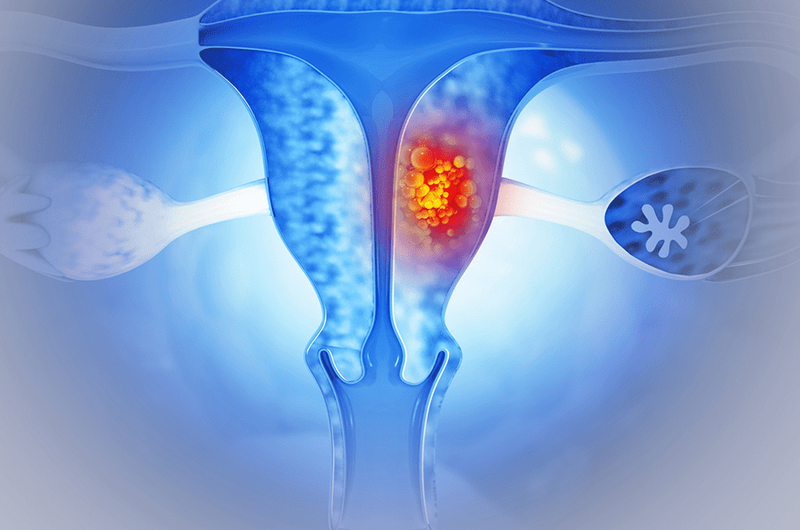 Our Stories Gynecologic cancers: How brachytherapy afterloaders improve survival reduce side effects
March 12, 2026
-

-
 Treatments & Conditions The HPV vaccine: A girl’s best shot at cervical cancer prevention
January 29, 2024
-

-