

The back-to-school physical is an important part of your child’s healthcare. This is an excellent opportunity to have your child checked out from head to toe.
What is the purpose of the back-to-school physical?
The back-to-school physical tracks your child’s growth and development, assesses their overall health, offers preventive screening and addresses any physical, emotional or social problems. It offers both the child and parent a chance to ask questions, raise concerns and seek professional advice.
How often does my child need a physical?
The American Academy of Pediatrics advises routine healthcare visits yearly for all children and adolescents.
Why is it important?
Back-to-school checkups are often the only visit most children have with their pediatrician. A healthy childhood requires a balance between home life, school, sports, social activities and hobbies. It is important to set aside one day a year for your child to be assessed so that any hurdles on their life journey can be identified and addressed early.
When should it be performed?
It is a good idea to get your child checked out during the summer, at least 6 weeks before they are due to go back to school. This gives you plenty of time to address any concerns, should they arise, before the new school year.
What does the back-to-school physical consist of?
Your doctor will assess your child’s stage of growth and development, perform a thorough physical examination and address any physical, emotional and social needs.
What does the physical examination involve?
The physical examination starts with a measurement of your child’s height and weight. Ask your doctor if your child’s growth is within a healthy range. Does your child have a healthy body mass index (BMI)? This is a number that predicts risk of disease based on your child’s weight compared to height. Your child may need to gain weight, lose weight or maintain current weight.
Your child’s measurements will be plotted on a growth chart, so you can clearly see the pattern of your child’s growth, how it compares to previous measurements and how it compares to population averages.
Your doctor will then carry out a full head-to-toe examination, including blood pressure and pulse, heart and lungs, abdomen, back, skin, eyes, ears, nose, mouth, teeth and throat. In addition, a neurological and joint exam may be performed, and the level of physical maturity will be assessed.
How will my child’s development be assessed?
Your child will have a full developmental assessment. Inform your doctor if you have any concerns regarding your child’s development. Familiarize yourself with normal development so that you can pick up on any developmental delay. Children progress at different stages and some may learn new skills later than others. However, it’s important to be aware if your child is reaching milestones.
Ask about the specific milestones for your child. Developmental milestones are a set of functional skills or tasks that most children can do at a certain age. Your doctor will assess gross motor, fine motor, language, cognitive and social skills. Behavioral and intellectual development will also be assessed. Questions may be asked about self-esteem, schoolwork, hobbies and how your child copes with disappointment and anger.
Does my child need tests?
The annual wellness visit presents an opportunity to detect illness or disease in early childhood when it may be easier to treat, or better still, may even be prevented. If indicated, tests may be performed to screen for problems such as anemia, high cholesterol levels, diabetes, tuberculosis, or allergies. Tests may include blood tests, urine tests or skin tests. The history, family history, and findings on physical examination will guide the decision to perform tests.
Is my child due immunizations?
Immunizations protect your child from serious infectious diseases. This is a good time to ask your doctor about the immunization schedule and check if your child’s vaccines are up to date. Schools often request this information. Your doctor will have accurate records to assist you. If your child is behind or has missed a vaccine, ask about the catch-up schedule. If you have any other concerns about vaccinating your child, now is a good time to talk to your doctor.
Does my child need a sports physical?
If your child is starting a sport at school, they will need a sports physical. Sports physical forms need to be updated once a year or more based on your school’s rules. This can be incorporated as part of the annual physical. Additional issues will be discussed, including injuries, concussions, training, nutrition and time management. Getting your child’s physical done early allows for sufficient time to address any lingering injuries or other health issues in time for your child to be cleared to participate when sports season starts.
What else does this visit involve?
Each area of your child’s life will be discussed, in order for the doctor to get a holistic idea of his/her overall health and well-being.
School Performance How is your child doing academically and socially? Poor school performance can be a sign of attention or learning problems, bullying or depression. If you have concerns about your child’s last semester, now is the perfect time to discuss this before the next school year begins. This is a safe place for your child to discuss any concerns. Together with your doctor you can get to the root of the problem.
Home Life
A healthy lifestyle should start at home. Healthy nutrition and physical activity should be encouraged. Accomplishments should be praised, and children should be supported and encouraged to participate in a variety of activities. Screen time, including TV, video games, smart phones, tablets and computers should be limited to a maximum of 90 minutes per day. A growing desire for independence in preteens may test the boundaries of established rules. Sometimes it can be a struggle to get the balance right. Don’t be afraid to ask for help.
Sleep
It is important for children to have a healthy sleep routine. Children aged 6 to 13 years need 9 to 11 hours sleep every night. Good quality sleep is needed for growth. Lack of sleep can affect attention and performance. Late night TV, phone and internet usage, caffeine and bad dreams can have a disruptive effect on children’s sleep. If your child is having trouble sleeping, or bedtime resistance is a struggle, ask your doctor for advice on how to improve your child’s sleep with healthy sleeping habits and a consistent bedtime routine.
Nutrition
How is your child doing academically and socially? Poor school performance can be a sign of attention or learning problems, bullying or depression. If you have concerns about your child’s last semester, now is the perfect time to discuss this before the next school year begins. This is a safe place for your child to discuss any concerns. Together with your doctor you can get to the root of the problem.
Home Life
A healthy lifestyle should start at home. Healthy nutrition and physical activity should be encouraged. Accomplishments should be praised, and children should be supported and encouraged to participate in a variety of activities. Screen time, including TV, video games, smart phones, tablets and computers should be limited to a maximum of 90 minutes per day. A growing desire for independence in preteens may test the boundaries of established rules. Sometimes it can be a struggle to get the balance right. Don’t be afraid to ask for help.
Sleep
It is important for children to have a healthy sleep routine. Children aged 6 to 13 years need 9 to 11 hours sleep every night. Good quality sleep is needed for growth. Lack of sleep can affect attention and performance. Late night TV, phone and internet usage, caffeine and bad dreams can have a disruptive effect on children’s sleep. If your child is having trouble sleeping, or bedtime resistance is a struggle, ask your doctor for advice on how to improve your child’s sleep with healthy sleeping habits and a consistent bedtime routine.
Nutrition Good nutrition in childhood really gives your child the best possible start in life. A healthy balanced diet gives your child the energy they need to grow and enjoy an active life. It shapes their future and prevents the development of obesity and its multiple complications, including diabetes, heart disease, and cancer.
Childhood obesity is now an epidemic in the United States – more than one third of children and adolescents are overweight or obese. Now is the time to address it. If you are worried about your child’s weight, the annual physical is a great time to discuss this with your doctor.
If you are concerned that your child is underweight, talk to your doctor about the possibility of anorexia and bulimia. Eating disorders are common in adolescence. Or, you may simply want to discuss how to encourage your child to make healthy food choices or how to manage fussy eaters.
Exercise
Good nutrition in childhood really gives your child the best possible start in life. A healthy balanced diet gives your child the energy they need to grow and enjoy an active life. It shapes their future and prevents the development of obesity and its multiple complications, including diabetes, heart disease, and cancer.
Childhood obesity is now an epidemic in the United States – more than one third of children and adolescents are overweight or obese. Now is the time to address it. If you are worried about your child’s weight, the annual physical is a great time to discuss this with your doctor.
If you are concerned that your child is underweight, talk to your doctor about the possibility of anorexia and bulimia. Eating disorders are common in adolescence. Or, you may simply want to discuss how to encourage your child to make healthy food choices or how to manage fussy eaters.
Exercise  Physical activity is essential for your child’s health. It helps your child maintain a healthy weight, boosts mood and self-esteem, and encourages friendship, integration and teamwork. Children and adolescents between 5 and 17 years old should be accumulating at least 60 minutes of physical activity every day. More than 60 minutes of physical activity daily carries additional health benefits. If your child doesn’t like sports, seek advice about how you can incorporate fitness into their life.
Safety
This is a good time for you and your child to talk to your doctor about safety concerns. Depending on your child’s age, this may range from bicycle helmet safety to concerns about alcohol, drugs, smoking, sexual activity, internet usage and awareness of signs of possible depression, bullying or cyberbullying.
Puberty and Sexual Health
If your child is approaching adolescence, puberty will be discussed. Talk to your child about the coming changes. In girls, puberty usually starts between 8 and 13 years with breast development and the appearance of pubic hair. Menstruation usually begins about 2 years later.
In boys, testicular enlargement begins between 9 and 15 years. Penile growth and the appearance of pubic hair follow. As puberty continues, muscles grow, the voice deepens and facial hair begins to appear.
Growth spurts usually occur at this time. For girls, it occurs about 6-12 months before their first menstrual period. For boys it occurs later in their pubertal development. This lasts for 2 to 3 years and brings them closer to their adult height, which they reach after puberty.
Skin may become oily and acne may develop. Due to hormonal changes, mood swings are also likely to occur. Adolescents going through puberty may experience issues with self-esteem as they become more focused on personal appearance and behavior and yearn for peer acceptance. They begin to seek greater independence, and it is often difficult for parents to find the right balance.
If you have any concerns about pubertal development, or want advice on how to help your child through this challenging time or how to manage specific problems such as acne, now is a great time to ask.
You may want to ask your doctor about giving your child sex education. Children should be encouraged to ask questions. You may want advice on how to discuss the subjects of puberty, menstruation, sexual activity, birth control and the risk of sexually transmitted disease and unplanned pregnancy. Your doctor may ask your teenager about sexual activity, so be prepared for this!
How can I prepare for this visit?
It’s imperative that you come prepared to this visit. Arrive early enough to fill out paperwork. Have important information ready. This should include current medical conditions (such as asthma or diabetes), allergies (pollen, food, insect stings, etc.), history of illness or previous injury, hospitalization or surgery.
Your family history will be reviewed. This is important to detect patterns of disease and chronic illness that run in your family, such as diabetes, heart disease or cancer. Early detection is preventative and can even be life-saving.
If your child is on any medications, you should bring a list of prescription medications, over-the-counter medications, and supplements. Remember to bring your child’s immunization card, school entry form and sports participation form.
Consider what you want to discuss with your doctor. If you have any concerns, now is a great opportunity to raise them. Be prepared to leave the room for sensitive issues if your son or daughter would be more comfortable discussing some things alone with the doctor. In the case of adolescents, you may be asked to step out of the room for part of the examination. You may also request time alone to discuss concerns without your child present.
You can prepare your child for this healthcare visit by discussing with them in advance what it will involve. Encourage your child to prepare for the check-up, and encourage him/her to bring forward any issues or concerns to be raised.
Physical activity is essential for your child’s health. It helps your child maintain a healthy weight, boosts mood and self-esteem, and encourages friendship, integration and teamwork. Children and adolescents between 5 and 17 years old should be accumulating at least 60 minutes of physical activity every day. More than 60 minutes of physical activity daily carries additional health benefits. If your child doesn’t like sports, seek advice about how you can incorporate fitness into their life.
Safety
This is a good time for you and your child to talk to your doctor about safety concerns. Depending on your child’s age, this may range from bicycle helmet safety to concerns about alcohol, drugs, smoking, sexual activity, internet usage and awareness of signs of possible depression, bullying or cyberbullying.
Puberty and Sexual Health
If your child is approaching adolescence, puberty will be discussed. Talk to your child about the coming changes. In girls, puberty usually starts between 8 and 13 years with breast development and the appearance of pubic hair. Menstruation usually begins about 2 years later.
In boys, testicular enlargement begins between 9 and 15 years. Penile growth and the appearance of pubic hair follow. As puberty continues, muscles grow, the voice deepens and facial hair begins to appear.
Growth spurts usually occur at this time. For girls, it occurs about 6-12 months before their first menstrual period. For boys it occurs later in their pubertal development. This lasts for 2 to 3 years and brings them closer to their adult height, which they reach after puberty.
Skin may become oily and acne may develop. Due to hormonal changes, mood swings are also likely to occur. Adolescents going through puberty may experience issues with self-esteem as they become more focused on personal appearance and behavior and yearn for peer acceptance. They begin to seek greater independence, and it is often difficult for parents to find the right balance.
If you have any concerns about pubertal development, or want advice on how to help your child through this challenging time or how to manage specific problems such as acne, now is a great time to ask.
You may want to ask your doctor about giving your child sex education. Children should be encouraged to ask questions. You may want advice on how to discuss the subjects of puberty, menstruation, sexual activity, birth control and the risk of sexually transmitted disease and unplanned pregnancy. Your doctor may ask your teenager about sexual activity, so be prepared for this!
How can I prepare for this visit?
It’s imperative that you come prepared to this visit. Arrive early enough to fill out paperwork. Have important information ready. This should include current medical conditions (such as asthma or diabetes), allergies (pollen, food, insect stings, etc.), history of illness or previous injury, hospitalization or surgery.
Your family history will be reviewed. This is important to detect patterns of disease and chronic illness that run in your family, such as diabetes, heart disease or cancer. Early detection is preventative and can even be life-saving.
If your child is on any medications, you should bring a list of prescription medications, over-the-counter medications, and supplements. Remember to bring your child’s immunization card, school entry form and sports participation form.
Consider what you want to discuss with your doctor. If you have any concerns, now is a great opportunity to raise them. Be prepared to leave the room for sensitive issues if your son or daughter would be more comfortable discussing some things alone with the doctor. In the case of adolescents, you may be asked to step out of the room for part of the examination. You may also request time alone to discuss concerns without your child present.
You can prepare your child for this healthcare visit by discussing with them in advance what it will involve. Encourage your child to prepare for the check-up, and encourage him/her to bring forward any issues or concerns to be raised.
How is your child doing academically and socially? Poor school performance can be a sign of attention or learning problems, bullying or depression. If you have concerns about your child’s last semester, now is the perfect time to discuss this before the next school year begins. This is a safe place for your child to discuss any concerns. Together with your doctor you can get to the root of the problem.
Home Life
A healthy lifestyle should start at home. Healthy nutrition and physical activity should be encouraged. Accomplishments should be praised, and children should be supported and encouraged to participate in a variety of activities. Screen time, including TV, video games, smart phones, tablets and computers should be limited to a maximum of 90 minutes per day. A growing desire for independence in preteens may test the boundaries of established rules. Sometimes it can be a struggle to get the balance right. Don’t be afraid to ask for help.
Sleep
It is important for children to have a healthy sleep routine. Children aged 6 to 13 years need 9 to 11 hours sleep every night. Good quality sleep is needed for growth. Lack of sleep can affect attention and performance. Late night TV, phone and internet usage, caffeine and bad dreams can have a disruptive effect on children’s sleep. If your child is having trouble sleeping, or bedtime resistance is a struggle, ask your doctor for advice on how to improve your child’s sleep with healthy sleeping habits and a consistent bedtime routine.
NutritionGood nutrition in childhood really gives your child the best possible start in life. A healthy balanced diet gives your child the energy they need to grow and enjoy an active life. It shapes their future and prevents the development of obesity and its multiple complications, including diabetes, heart disease, and cancer.
Childhood obesity is now an epidemic in the United States – more than one third of children and adolescents are overweight or obese. Now is the time to address it. If you are worried about your child’s weight, the annual physical is a great time to discuss this with your doctor.
If you are concerned that your child is underweight, talk to your doctor about the possibility of anorexia and bulimia. Eating disorders are common in adolescence. Or, you may simply want to discuss how to encourage your child to make healthy food choices or how to manage fussy eaters.
Exercise Physical activity is essential for your child’s health. It helps your child maintain a healthy weight, boosts mood and self-esteem, and encourages friendship, integration and teamwork. Children and adolescents between 5 and 17 years old should be accumulating at least 60 minutes of physical activity every day. More than 60 minutes of physical activity daily carries additional health benefits. If your child doesn’t like sports, seek advice about how you can incorporate fitness into their life.
Safety
This is a good time for you and your child to talk to your doctor about safety concerns. Depending on your child’s age, this may range from bicycle helmet safety to concerns about alcohol, drugs, smoking, sexual activity, internet usage and awareness of signs of possible depression, bullying or cyberbullying.
Puberty and Sexual Health
If your child is approaching adolescence, puberty will be discussed. Talk to your child about the coming changes. In girls, puberty usually starts between 8 and 13 years with breast development and the appearance of pubic hair. Menstruation usually begins about 2 years later.
In boys, testicular enlargement begins between 9 and 15 years. Penile growth and the appearance of pubic hair follow. As puberty continues, muscles grow, the voice deepens and facial hair begins to appear.
Growth spurts usually occur at this time. For girls, it occurs about 6-12 months before their first menstrual period. For boys it occurs later in their pubertal development. This lasts for 2 to 3 years and brings them closer to their adult height, which they reach after puberty.
Skin may become oily and acne may develop. Due to hormonal changes, mood swings are also likely to occur. Adolescents going through puberty may experience issues with self-esteem as they become more focused on personal appearance and behavior and yearn for peer acceptance. They begin to seek greater independence, and it is often difficult for parents to find the right balance.
If you have any concerns about pubertal development, or want advice on how to help your child through this challenging time or how to manage specific problems such as acne, now is a great time to ask.
You may want to ask your doctor about giving your child sex education. Children should be encouraged to ask questions. You may want advice on how to discuss the subjects of puberty, menstruation, sexual activity, birth control and the risk of sexually transmitted disease and unplanned pregnancy. Your doctor may ask your teenager about sexual activity, so be prepared for this!
How can I prepare for this visit?
It’s imperative that you come prepared to this visit. Arrive early enough to fill out paperwork. Have important information ready. This should include current medical conditions (such as asthma or diabetes), allergies (pollen, food, insect stings, etc.), history of illness or previous injury, hospitalization or surgery.
Your family history will be reviewed. This is important to detect patterns of disease and chronic illness that run in your family, such as diabetes, heart disease or cancer. Early detection is preventative and can even be life-saving.
If your child is on any medications, you should bring a list of prescription medications, over-the-counter medications, and supplements. Remember to bring your child’s immunization card, school entry form and sports participation form.
Consider what you want to discuss with your doctor. If you have any concerns, now is a great opportunity to raise them. Be prepared to leave the room for sensitive issues if your son or daughter would be more comfortable discussing some things alone with the doctor. In the case of adolescents, you may be asked to step out of the room for part of the examination. You may also request time alone to discuss concerns without your child present.
You can prepare your child for this healthcare visit by discussing with them in advance what it will involve. Encourage your child to prepare for the check-up, and encourage him/her to bring forward any issues or concerns to be raised.
-
 Treatments & Conditions Roper St. Francis Healthcare first in state to offer promising new pancreatic cancer therapy
September 17, 2026
-
 Healthy Living A primary care doctor’s best advice before your first visit
July 23, 2026 3 Minute Read
-
_Cropped-HorizontalCard-Small.webp?language=en)
-

-

-
 Treatments & Conditions Roper St. Francis Healthcare expands interventional pain management capacity
June 5, 2026
-
 Treatments & Conditions Simple stretches and exercises to improve your golf or tennis game
May 27, 2026
-
 Treatments & Conditions Stumbling block: The dangers of deep vein thrombosis - Roper St. Francis Healthcare | Health News Blog | Charleston, SC
May 11, 2026
-
 Technology & Innovation Roper St. Francis Healthcare first in region to offer new spinal cord injury technology
May 1, 2026
-
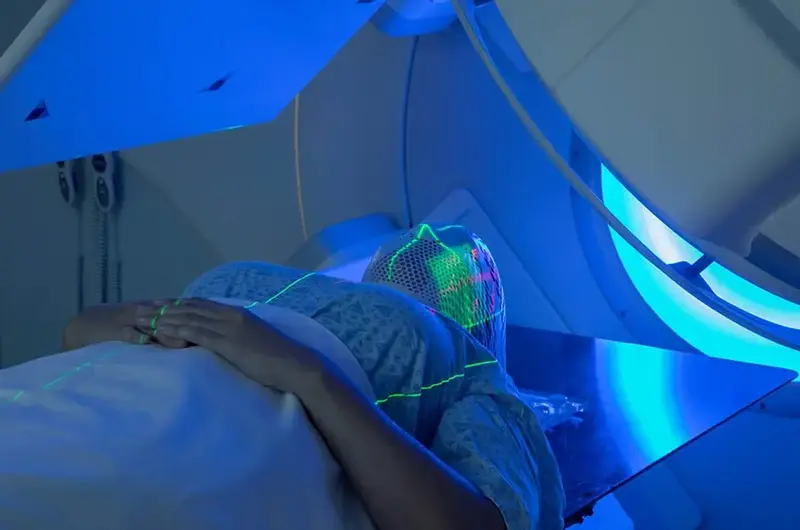 Treatments & Conditions What to know about radiation treatment when you’re first hearing the news
April 14, 2026
-

-

-

-
 Technology & Innovation Trailblazing cancer care: CAR T-cell therapy arrives at Roper St. Francis Healthcare
March 19, 2026
-
 Treatments & Conditions Epilepsy: What is it, how's it treated and why hope is a part of the plan
March 17, 2026 3 Minute Read