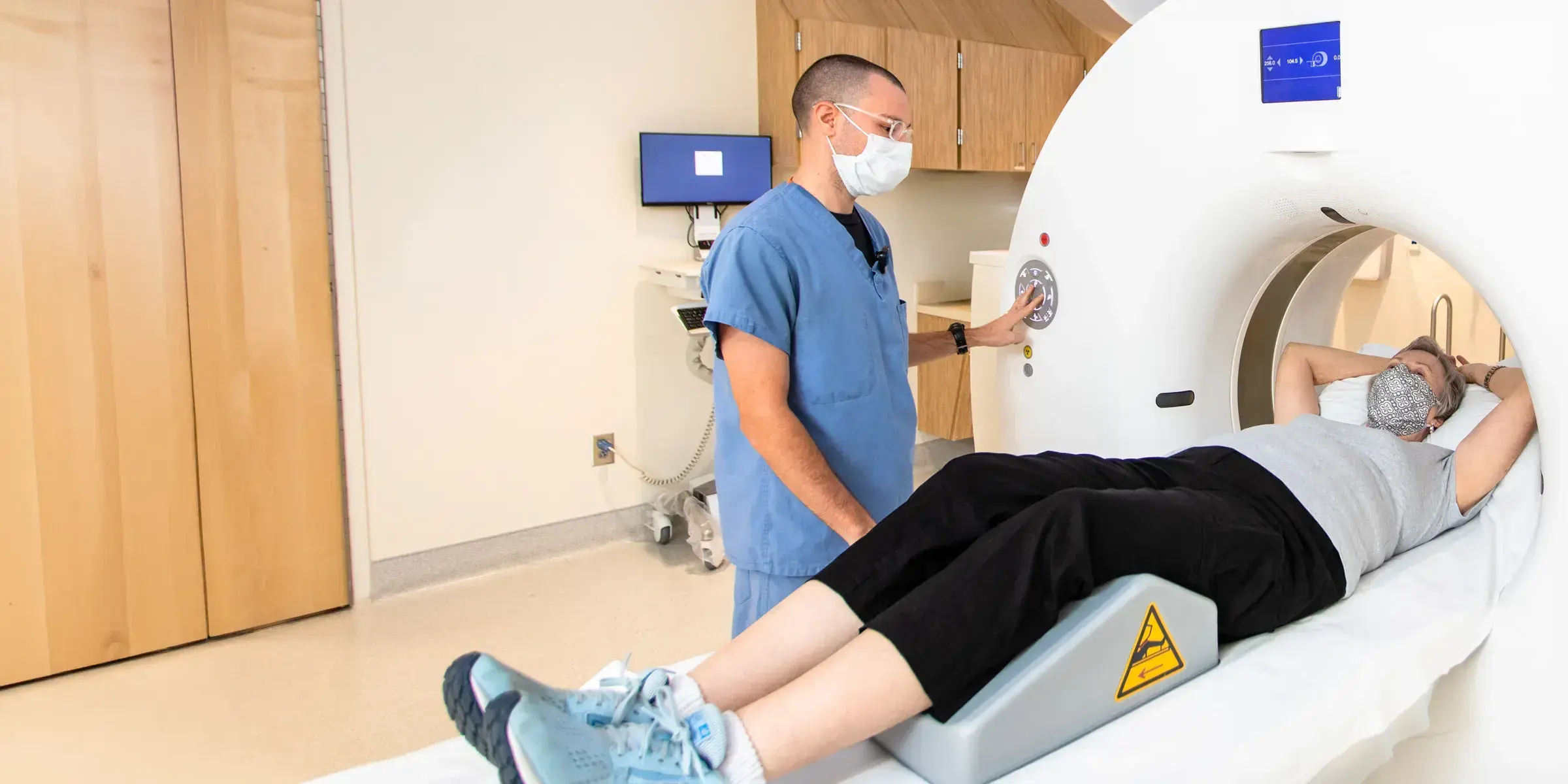
Roper St. Francis Cancer Care offers expertise and the highest quality of personalized care for patients diagnosed with lung cancer, esophageal cancer or other cancers in the chest. Our Multidisciplinary Thoracic Oncology Program (MTOP) offers advanced treatments, while emphasizing the compassionate care that is the Roper St. Francis hallmark.
Our approach
Conditions
Cancers of the chest can affect how you breathe, eat and move through your daily life. They often require highly specialized care, and a team that understands both the medical complexity and the personal impact of your diagnosis.

Diagnosis & treatment
Early detection is one of the most important factors in improving lung cancer outcomes. Roper St. Francis Healthcare offers advanced screening and minimally invasive biopsy procedures to detect lung cancer earlier and help patients begin treatment as quickly as possible.

Lung cancer doesn’t always cause symptoms right away, which is why understanding your risk matters. Certain lifestyle and environmental factors can increase your chances of developing lung cancer, even if you’ve never smoked. Knowing what to look for, and when to talk with a doctor, can help you take the next step sooner.
Certain factors can increase your risk for lung cancer, including:
- Exposure to secondhand smoke
- Environmental exposures, such as radon or air pollution
- Occupational exposures, such as asbestos or arsenic
- Smoking
Common signs and symptoms of lung cancer may include:
- Chest pain
- Coughing up blood
- Persistent cough or changes in a chronic cough
- Shortness of breath
- Unexplained weight loss or fatigue
If something doesn’t feel right, it’s worth paying attention. Talking with a doctor early can help you get answers and explore your options while it’s easier to treat.
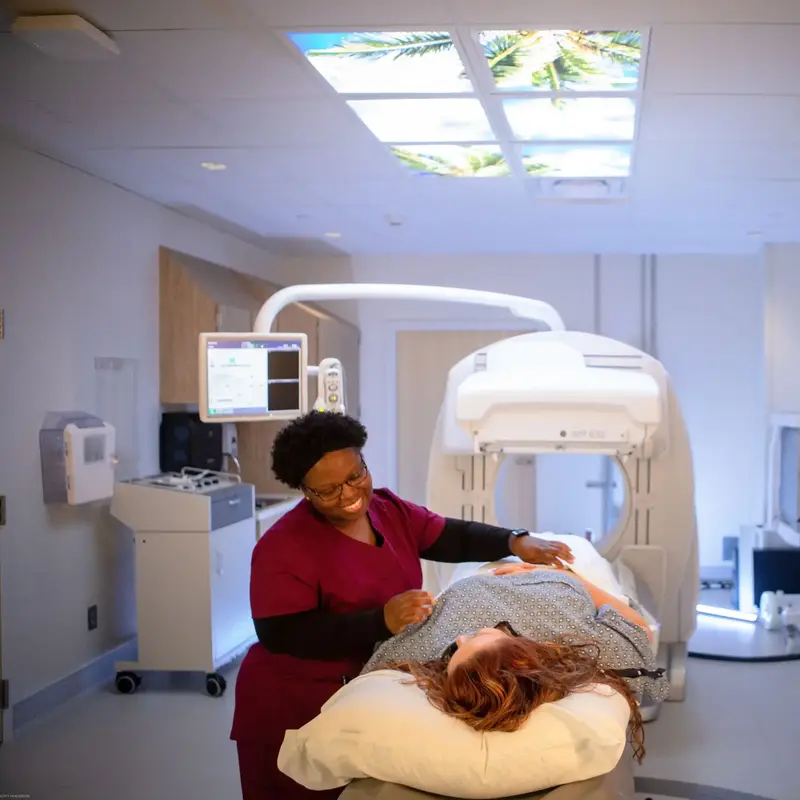
Diagnosing lung cancer often starts with screening or follow-up testing after something unusual is found. If a lung nodule or abnormal area is detected, our team takes a closer look and carefully reviews your results to determine the next step.
Additional evaluation may include:
- Biopsy, potentially using Ion robotic lung biopsy technology
- CT lung screening
- Further imaging tests (PET scan, MRI)
- Referral to a lung diagnostic specialist
Advances in technology are changing how lung cancer is diagnosed — and helping us find answers sooner. In the past, many patients were asked to wait and monitor nodules over time, and biopsies often required more invasive surgery. Or, some nodules were simply too small or too difficult to reach.
Today, Ion robot-assisted technology allows us to reach and biopsy even very small nodules throughout the lungs. This minimally invasive approach helps us identify cancer earlier, when more treatment options may be available.
The procedure is performed under anesthesia using a thin, flexible tube guided through the mouth into the lungs with a GPS-like system. It typically takes about an hour or less, and many patients can go home the same day.
If cancer is found, your care team can move quickly to guide you through the next steps and begin treatment.

Lung cancer treatment is not one-size-fits-all. Your care plan is built around your diagnosis, overall health and goals. To ensure your best care, our cancer specialists with varied expertise meet weekly to review your case and recommend a thoughtful, personalized approach that considers every aspect of your health.
Your treatment plan may include:
- Access to national clinical trials
- Advanced surgical options, including robotic and minimally invasive lung surgery
- Biological therapy
- Chemotherapy
- Immunotherapy
- Radiation therapy, including access to TrueBeam® technology
- Targeted therapy
Staging is also an important step in understanding your cancer and planning the best possible treatment. That’s why your care team looks closely at the tumor size, whether lymph nodes are involved, and whether the cancer has spread. This helps guide the next steps and ensures your treatment plan is as precise as possible.
Our five-year survival rate surpasses both state and national levels, a reflection of our team’s experience and commitment to high-quality care. More importantly, we’re here to guide you through each step, so you feel informed, supported and confident in your path forward.
Your lung cancer care team
Your care is guided by specialists in lung health, cancer treatment and surgery who collaborate closely on your behalf. That means your plan isn’t created in isolation. It’s shaped by multiple experts who review your case together, so you can feel confident you’re getting thoughtful, well-coordinated care.
-
 Accepting New Patients
Ashley Jeter, MD
Benign Hematology, Hematology, Medical Oncology, Hematology Oncology, Breast Medical Oncology, Urologic Oncology, Gastrointestinal Medical Oncology, Cutaneous (Skin) Medical Oncology, Head and Neck Medical Oncology, Thoracic Medical Oncology
-
 Accepting New Patients
George Geils Jr., MD
Blood and Marrow Transplant, Hematology Oncology, Benign Hematology, Hematology, Medical Oncology, Gastrointestinal Medical Oncology, Thoracic Medical Oncology
-
 Accepting New Patients
Douglas Michaelsen, MD
Hematology Oncology, Benign Hematology, Hematology, Medical Oncology, Urologic Oncology, Gastrointestinal Medical Oncology, Neuro-Oncology, Cutaneous (Skin) Medical Oncology, Head and Neck Medical Oncology, Thoracic Medical Oncology, Sarcoma Medical Oncology
-
 Accepting New Patients
Brian Lingerfelt, MD
Hematology Oncology, Benign Hematology, Hematology, Medical Oncology, Breast Medical Oncology, Urologic Oncology, Gastrointestinal Medical Oncology, Neuro-Oncology, Head and Neck Medical Oncology, Thoracic Medical Oncology
-
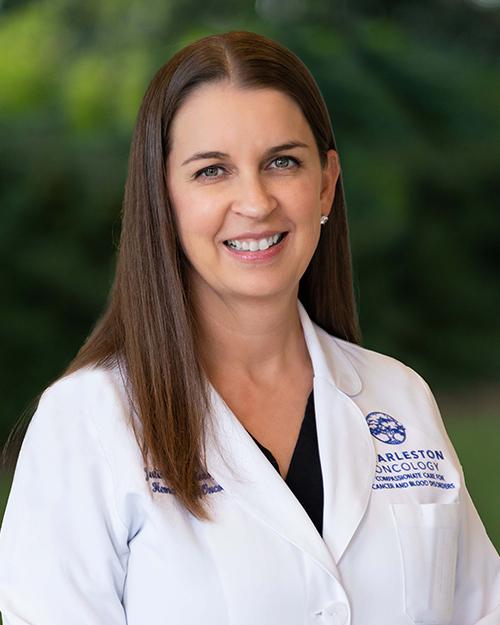 Accepting New Patients
Julia Saylors, MD
Hematology Oncology, Benign Hematology, Hematology, Medical Oncology, Breast Medical Oncology, Urologic Oncology, Gastrointestinal Medical Oncology, Cutaneous (Skin) Medical Oncology, Head and Neck Medical Oncology, Thoracic Medical Oncology
-
 Accepting New Patients
David Ellison, MD
Benign Hematology, Hematology, Medical Oncology, Hematology Oncology, Breast Medical Oncology, Urologic Oncology, Neuro-Oncology, Cutaneous (Skin) Medical Oncology, Thoracic Medical Oncology
-

-
 Accepting New Patients
Charles S. Holladay, MD
Hematology Oncology, Benign Hematology, Hematology, Medical Oncology, Gastrointestinal Medical Oncology, Neuro-Oncology, Head and Neck Medical Oncology, Thoracic Medical Oncology, Sarcoma Medical Oncology
-
 Accepting New Patients
Nicholas Schmidt Jr., MD
Benign Hematology, Hematology, Medical Oncology, Hematology Oncology, Breast Medical Oncology, Urologic Oncology, Gastrointestinal Medical Oncology, Neuro-Oncology, Thoracic Medical Oncology
-
 Accepting New Patients
Brian Greenwell, MD
Blood and Marrow Transplant, Hematology Oncology, Benign Hematology, Hematology, Medical Oncology, Gastrointestinal Medical Oncology, Thoracic Medical Oncology
-
 Accepting New Patients
Michael Marte, MD
Hematology, Medical Oncology, Head and Neck Medical Oncology, Thoracic Medical Oncology
-

-
 Accepting New Patients
Gene Saylors, MD
Hematology Oncology, Benign Hematology, Hematology, Medical Oncology, Breast Medical Oncology, Gastrointestinal Medical Oncology, Cutaneous (Skin) Medical Oncology, Thoracic Medical Oncology
-

Thomas Kaelin Jr., DO
Sleep Medicine, Critical Care Medicine, Pulmonology
-

-

-

-

-

-

-

-

-

-

-

-

-

-
People also ask
Get answers to commonly asked questions about lung cancer and other cancers in the chest.

Related services and specialties

Refer a patient
We’re here to support you and your patients with Cancer care. Our team makes the referral process simple and keeps you informed every step of the way. Please call (844) 975-6683 or go to your Epic account.
-
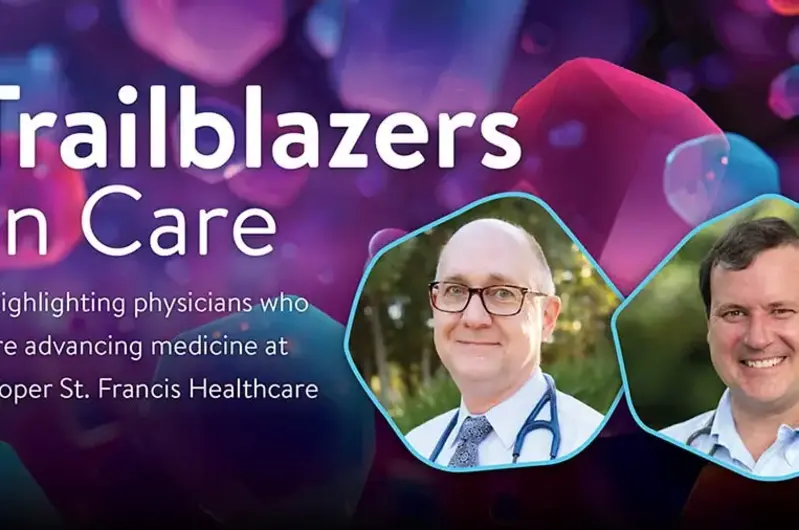 Technology & Innovation Trailblazing cancer care: CAR T-cell therapy arrives at Roper St. Francis Healthcare
March 19, 2026
-
_Cropped-HorizontalCard-Small.webp?language=en) Technology & Innovation Roper St. Francis Healthcare showcases innovation in lung cancer care with Intuitive’s Ion bronchosc
Technology & Innovation Roper St. Francis Healthcare showcases innovation in lung cancer care with Intuitive’s Ion bronchoscNovember 20, 2025
-

-
-

-