
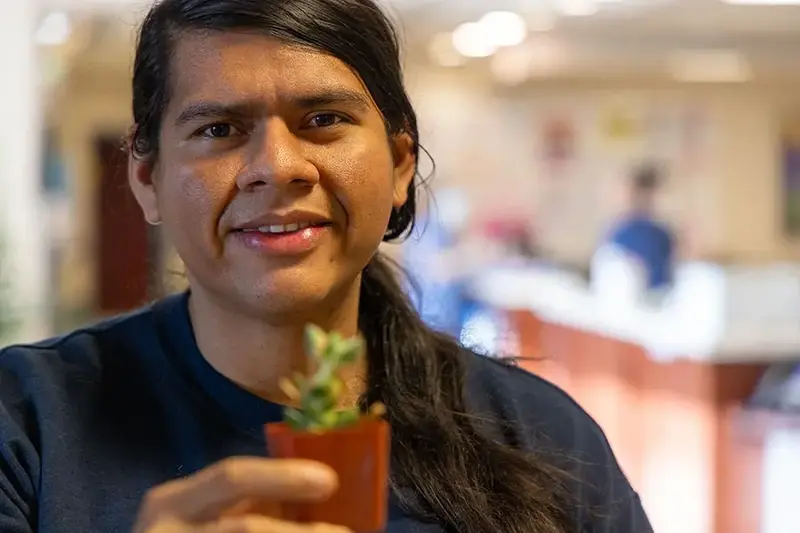
In the sunlit lobby of the Neuro-Spine Unit at Bon Secours St. Francis Hospital, healing is taking root — quite literally.
Thanks to the vision and compassion of Jose Saravia, a patient care technician, the unit launched a horticulture therapy program that blends science, nature and soul. With support from nurses and shared governance leadership, other teammates and the broader Roper St. Francis Healthcare system, patients recovering from strokes, brain injuries and other neurological conditions are engaging in hands-on planting activities designed to improve physical and emotional well-being. It’s part of a sustained effort by Roper St. Francis Healthcare to offer holistic care all areas of medicine, including neuro-spine services.
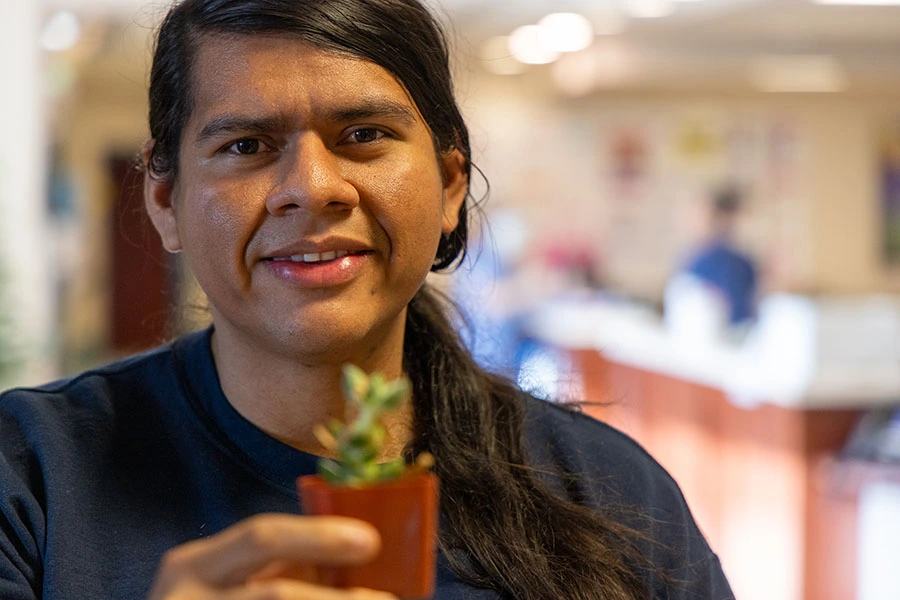
The initiative also aligns with the system’s mission of healing all people with compassion, faith and excellence, and with the Roper St. Francis Healthcare 2030 Strategic Plan initiative of addressing future clinical needs and the driver of cultivating a culture of engagement among teammates.
“Horticulture therapy allows our patients to reconnect — with the earth, with their memories, with their own bodies,” Saravia said. “They smile when they see their name next to a plant they helped grow. It gives them purpose.”
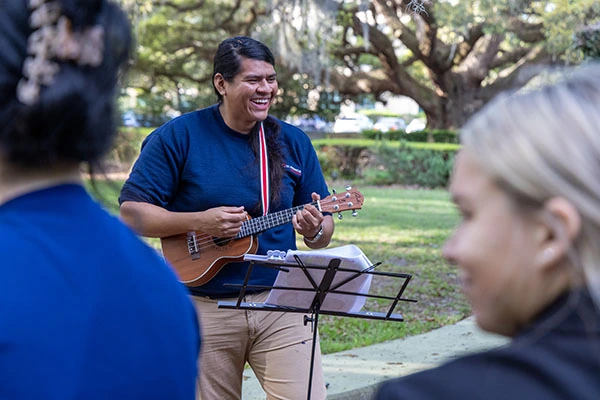
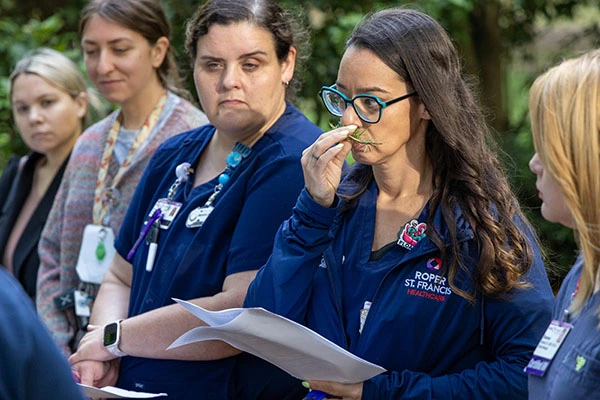
Saravia, who holds a doctorate in theology and recently added a horticulture degree at Trident Tech, kicked off the program earlier this year with educational sessions for teammates and practical planting exercises for patients. The program soon blossomed into a multisensory experience involving aromatherapy, rhythmic music therapy using tambourines and a ukulele nicknamed “Francisco,” and a ceremony where patients' names are attached to flowers planted in an indoor garden.
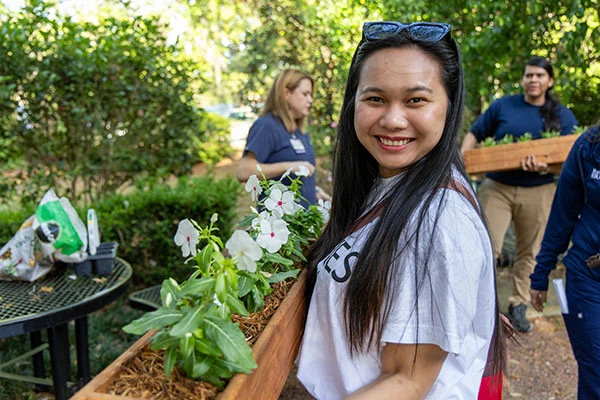
Many of these plants — like coneflowers and dianthus — will eventually be transferred to the hospital’s outdoor meditation garden, creating a lasting symbol of recovery and remembrance.
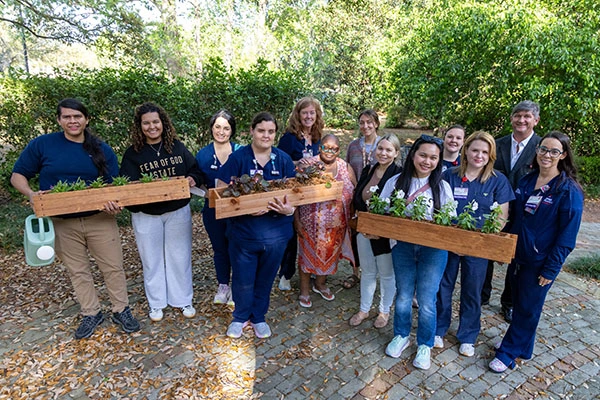
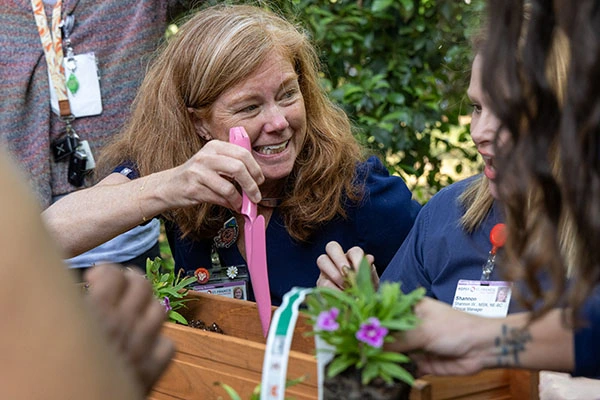
On a recent day, nurses and teammates from the Neuro-Spine Unit gathered in the meditation garden to pray and sing along as Saravia played “This Little Light of Mine” on his ukulele. Several teammates rattled small tambourines.

Some of the patients who had participated in the program have since passed away, making the garden not just a place of healing, but also of memory. They lit candles in their honor.
“These plants can promote healing for their families,” Saravia said. “The families can take a piece of their loved one with them.”
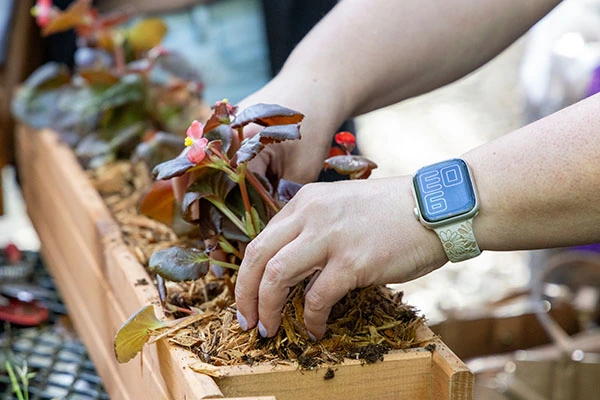
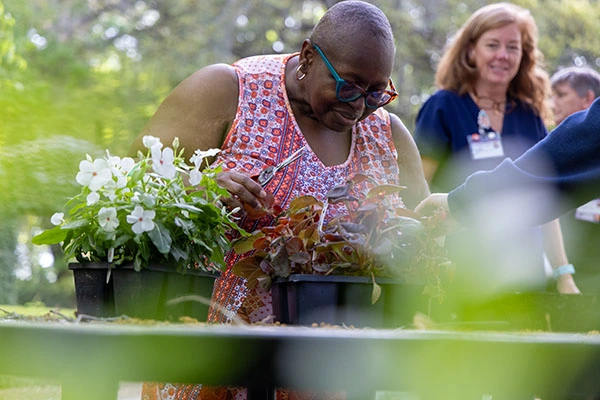
Together, the group transplanted begonias and marigolds into window boxes that they carried to their unit.
Shannon Woudwyk, Neuro-Spine’s clinical manager, celebrated the program’s flourishing after Saravia proposed the effort to Professional Governance leaders.
“It’s really been positive for the patients,” Woudwyk said. “They get to dig in the soil. They get to use their hands. They get to smell the plants. It makes them happy.”
Clinical evidence supports what Saravia and the team observe daily, he said: Horticulture therapy can improve motor skills, reduce anxiety and depression, and enhance memory and social interaction. Some have reported positive impact on pain or reconnecting with their own spirituality. It's especially effective for stroke patients, as the repetitive, gentle motions of planting mimic rehabilitative exercises and stimulate neuroplasticity. The patients use trowels to place soil into a pot, then transfer into the pot a small plant that they can water and watch grow.
Saravia pushes a small cart loaded with the equipment around the unit, stopping at rooms with patients who are able to participate.
“They react to scents, they react to these experiences, and they react positively,” he said.
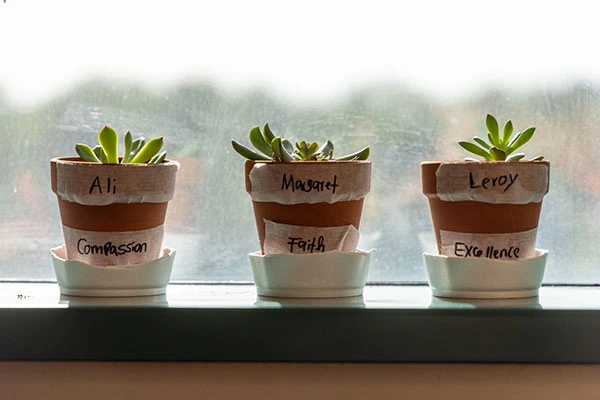
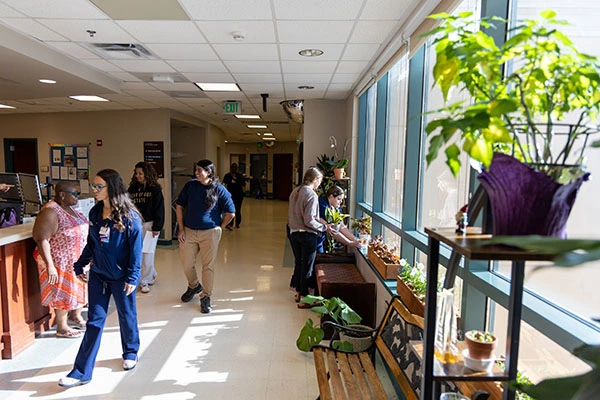
The initiative has also cultivated a greener, more inviting space near the nurses’ station, where patients and family members gather for comfort and connection. Three small potted plants rest on the windowsill, each labeled with key elements of the Roper St. Francis Healthcare mission and the name of the patient it belonged to: compassion (Ali), faith (Margaret) and excellence (Leroy).
This project is more than therapeutic; it’s deeply human.
“In nature, people of all backgrounds find common ground,” Saravia said. “We may come from different faiths, but we all find peace in the garden.”

-
 Our Stories Why personal attention may be the secret weapon for Bone Marrow Transplant BMT success
March 12, 2026
-
 Community Health Diabetes Mellitus: An Overview for Patients and Caregivers
March 3, 2026 6 Minute Read
-

-
-
-

-

-

-
 Community Health Roper St. Francis Healthcare sponsors concert series at Credit One Stadium
February 4, 2022
-
Technology & Innovation Roper St. Francis Healthcare physician helps lead report on how music can promote brain health
June 30, 2020