
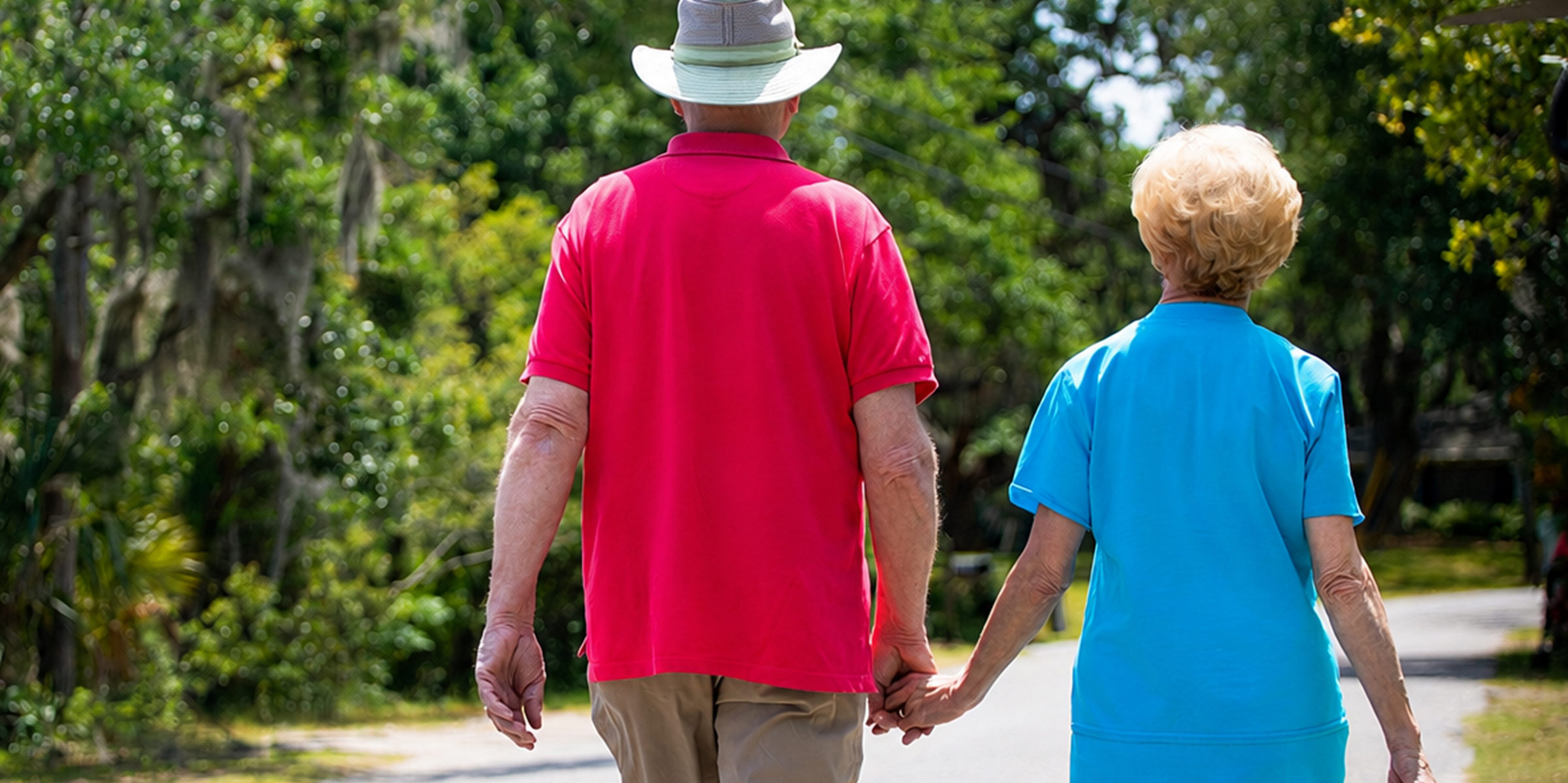
You deserve care that’s clear, coordinated and built around your needs. Our care team, including: neuro-oncology specialists, surgeons, radiation oncologists and support specialists take the time to listen, answer your questions and ensure you and your family feel supported. They will collaborate closely, bringing together advanced treatments and access to clinical trials from your first appointment to discuss symptoms or diagnostic needs to your last follow-up visit after cancer treatment.
Our approach
Conditions we treat
Brain and spinal cord tumors are sometimes difficult to diagnose. We care for a wide range of brain and spinal cord tumors, from more common diagnoses to rare and complex ones.
From symptoms to treatment: What to expect
Symptoms of brain and spinal cord tumors can vary widely depending on location and size. Some develop gradually, while others appear more suddenly.
Common symptoms can include:
- Changes in memory, mood or personality
- Changes in vision, hearing or balance
- Difficulty with speech or understanding language
- Persistent or worsening headaches
- Seizures
- Weakness or numbness in the arms or legs
If you or a loved one experiences these symptoms, a timely evaluation by a specialized team can help guide next steps and provide clarity.
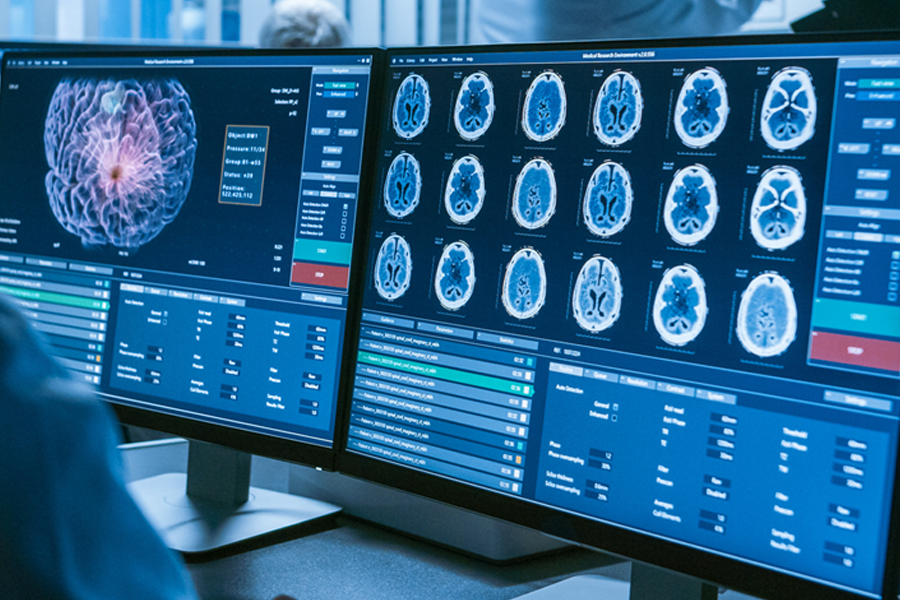
Diagnosing brain and spinal cord tumors often involves advanced imaging and expert interpretation — and getting an accurate diagnosis is the foundation of effective care.
Your evaluation may include:
- Biopsy or surgical evaluation when needed to confirm diagnosis
- Blood and urine tests to assess overall health
- Lumbar puncture (spinal tap) to evaluate cerebrospinal fluid
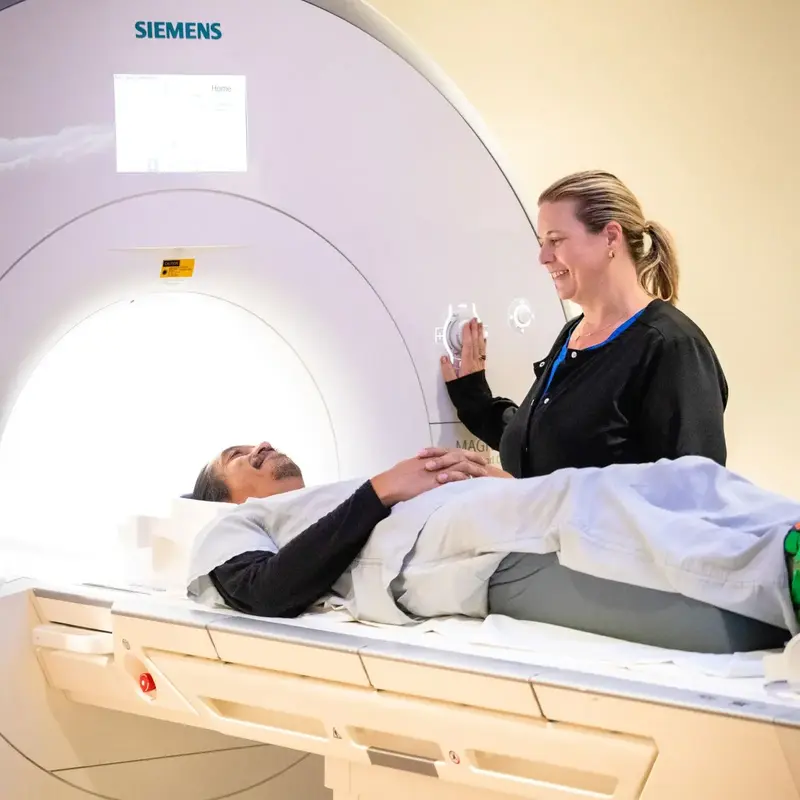
- MRI or CT imaging toidentifyand evaluate tumors
- Neurologic exams to assess function and symptoms
Our team works closely together to ensure you receive an accurate diagnosis and a clear understanding of your condition, so we can create a precise, personalized treatment plan.
Brain and spinal cord tumors can develop in different ways. Some begin in the brain or spine (primary tumors), while others spread from cancer elsewhere in the body (metastatic tumors).
Common tumor types include:
- Gliomas, which begin in the brain’s supportive tissue
- Meningiomas, which form in the lining around the brain and spinal cord
- Schwannomas, which develop in the cells surrounding nerves
While the exact causes aren’t always known, certain factors may increase your risk, including:
- Certain genetic conditions
- Exposure to high levels of radiation
- Weakened immune system
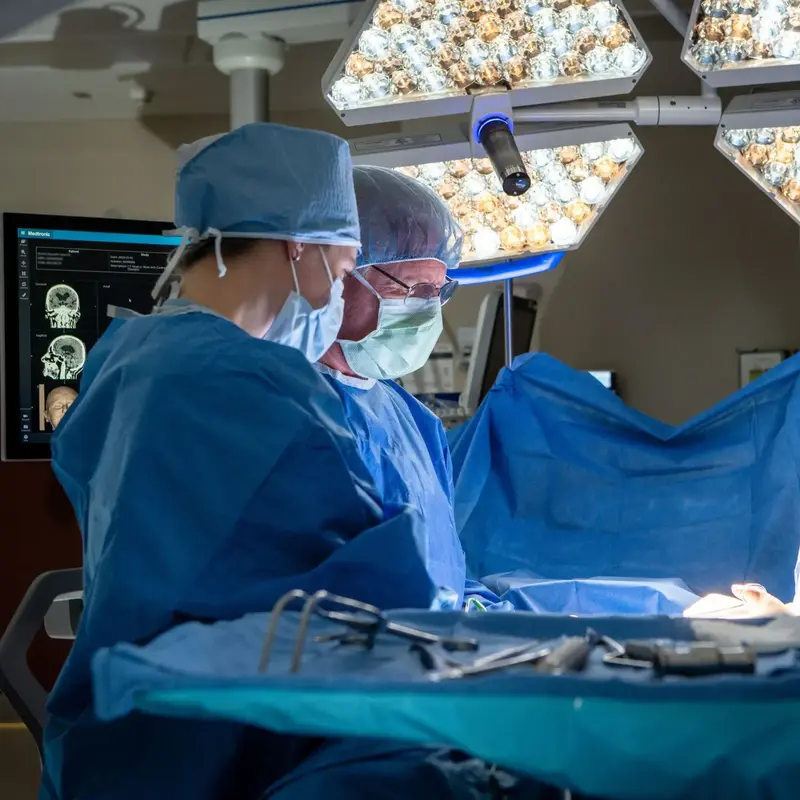
Our approach to brain and spine cancer treatment blends leading-edge technology with a deep commitment to helping you get back to living your best life. Because every tumor is different, treatment may involve a combination of therapies designed to target the tumor while protecting healthy brain and spinal tissue.
Your treatment plan may include:
- Clinical trials for brain cancer, offering promising new options
- Advanced surgical care to remove as much of the tumor as possible when appropriate
- Chemotherapy that’s designed to interrupt cancer cell growth
- Targeted therapies that focus on specific tumor characteristics
- TrueBeam radiation therapy for highly precise, targeted treatment
Your brain and spine care team
We provide a full network of professionals who support every aspect of your journey, including primary care doctors and neurologists in the field, oncology nurses and navigators, neuro-oncologists, neurosurgeons, radiation oncologists, speech and movement specialists, and more.
-
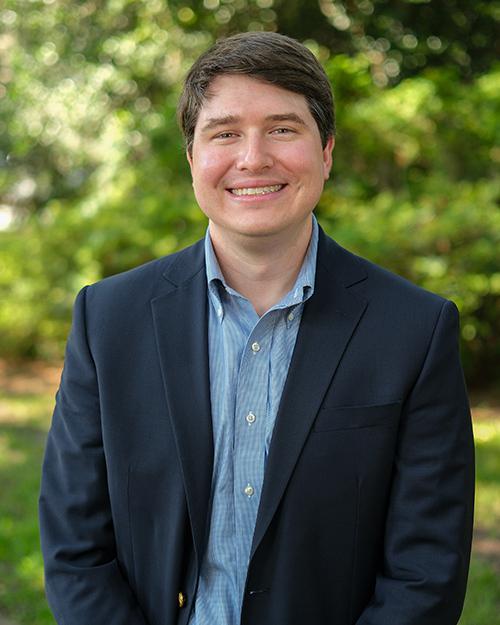 Accepting New Patients
Nicholas Schmidt Jr., MD
Benign Hematology, Hematology, Medical Oncology, Hematology Oncology, Breast Medical Oncology, Urologic Oncology, Gastrointestinal Medical Oncology, Neuro-Oncology, Thoracic Medical Oncology
-
-
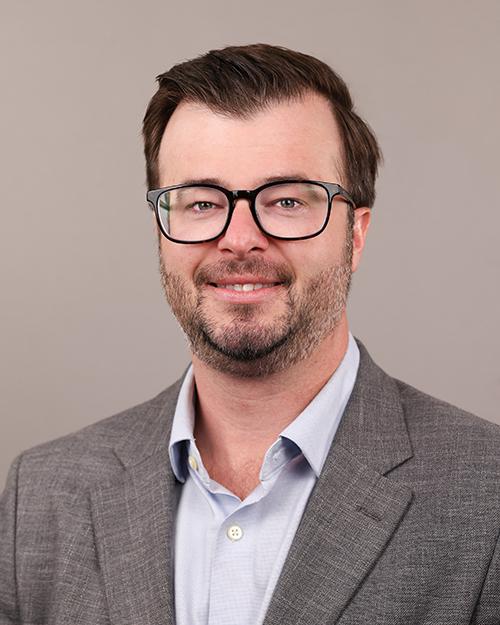
Michael Hall, MD
Radiation Oncology
-
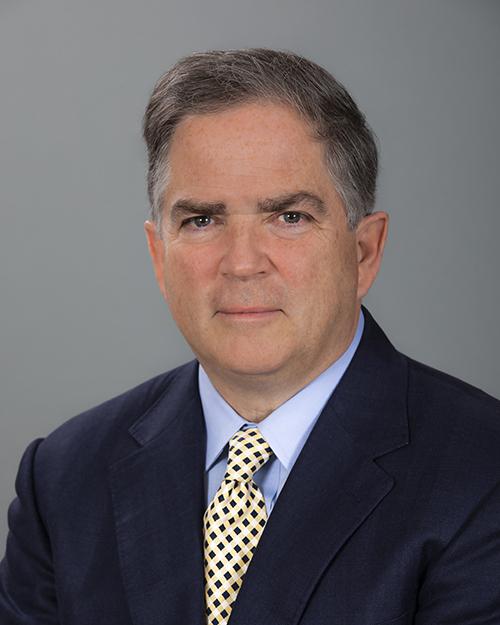
Brian Cuddy, MD
Spine Surgery, Neurosurgery
-
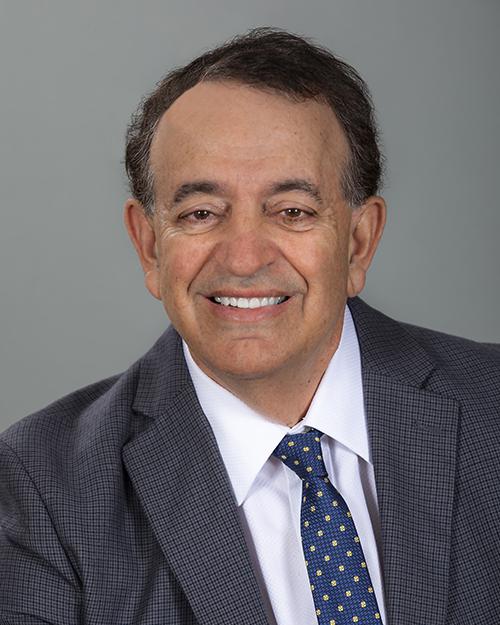
-
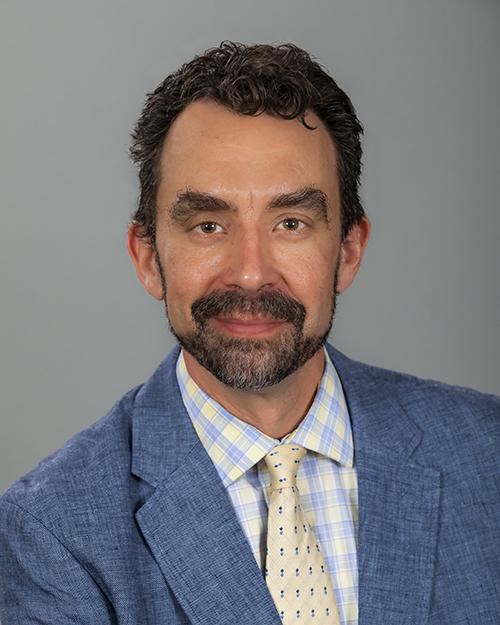
-
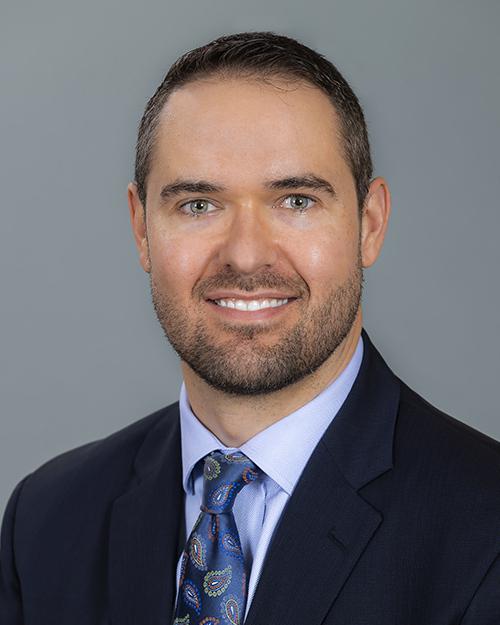
-
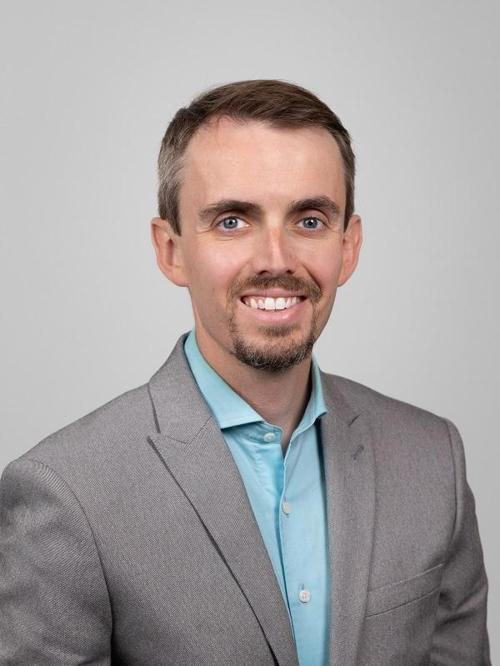
Stephen Ramey Sr., MD
Radiation Oncology
-
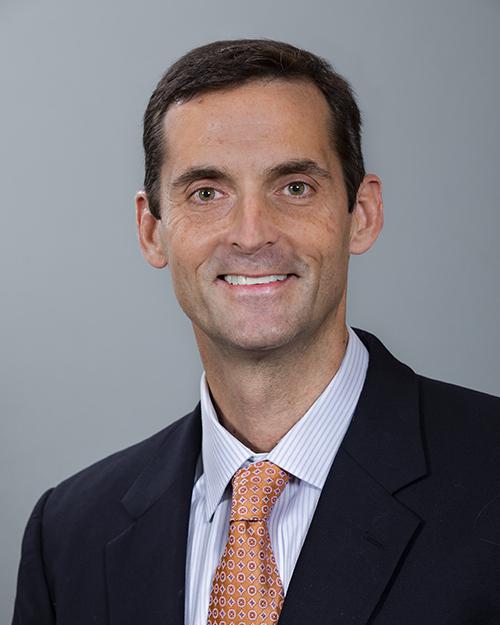
-
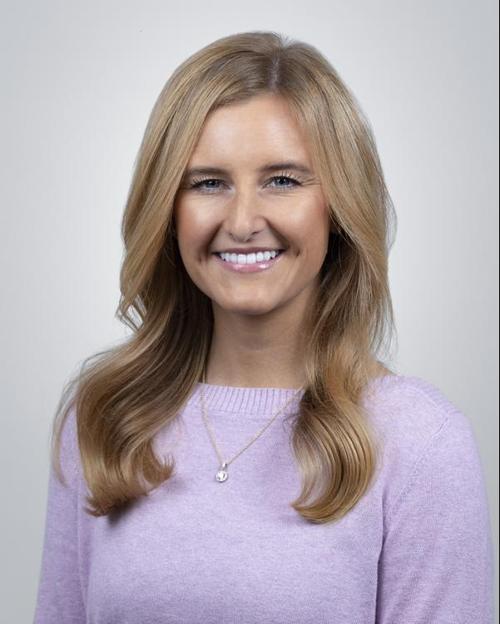
-
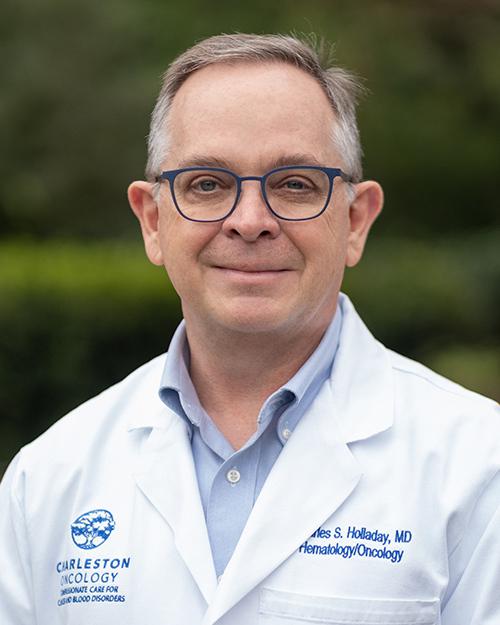 Accepting New Patients
Charles S. Holladay, MD
Hematology Oncology, Benign Hematology, Hematology, Medical Oncology, Gastrointestinal Medical Oncology, Neuro-Oncology, Head and Neck Medical Oncology, Thoracic Medical Oncology, Sarcoma Medical Oncology
-
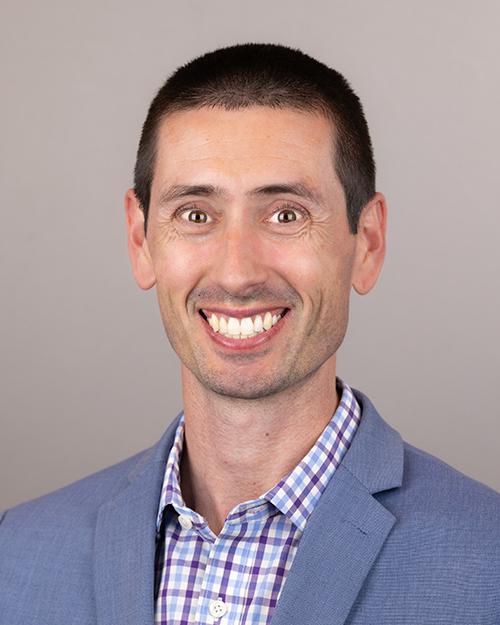
Brian Beaty, MD
Radiation Oncology
-
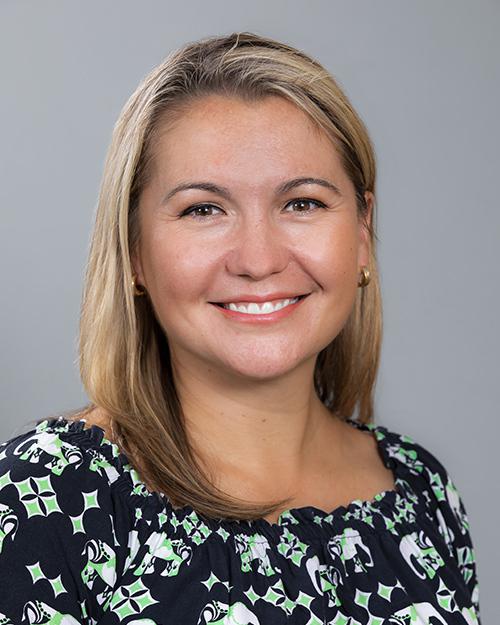
Annette Cruz, PAC
Radiation Oncology
-
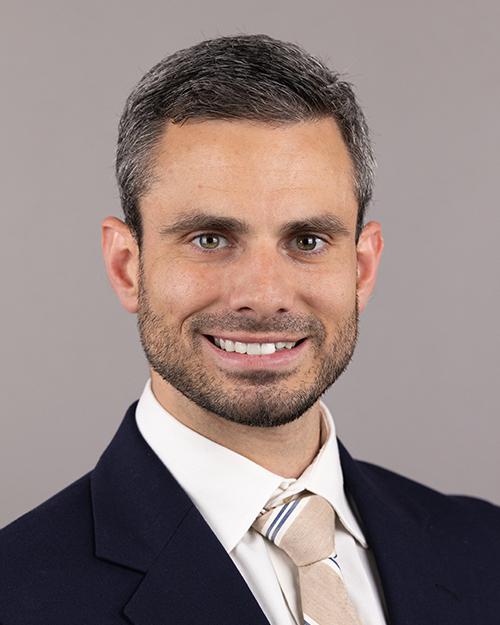
Bradley DePaoli, MD
Radiation Oncology
-
-
-
-
-
-
 Accepting New Patients
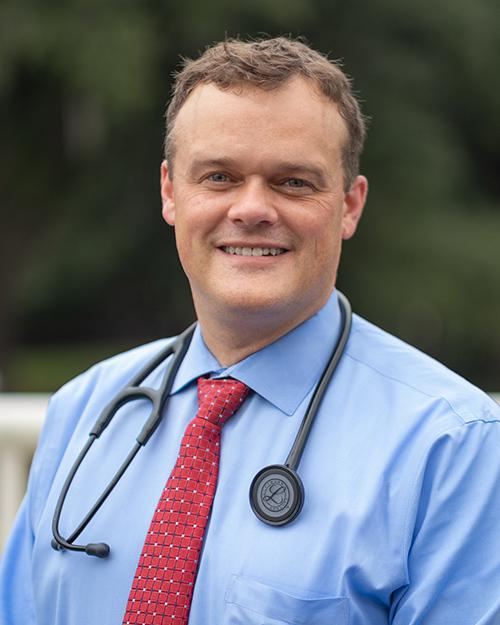
David Ellison, MD
Benign Hematology, Hematology, Medical Oncology, Hematology Oncology, Breast Medical Oncology, Urologic Oncology, Neuro-Oncology, Cutaneous (Skin) Medical Oncology, Thoracic Medical Oncology
-
 Accepting New Patients
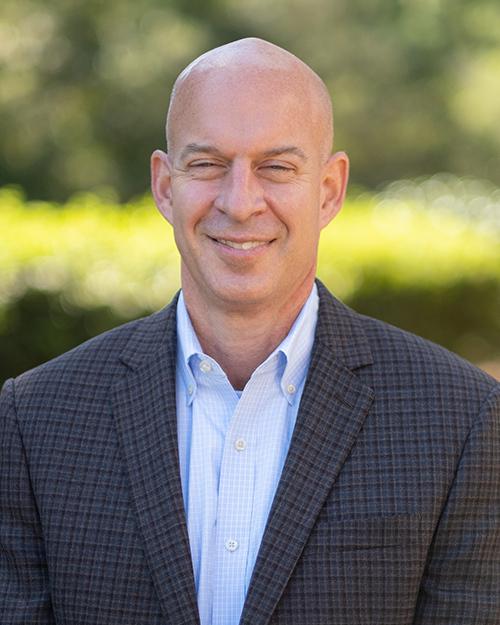
Brian Lingerfelt, MD
Hematology Oncology, Benign Hematology, Hematology, Medical Oncology, Breast Medical Oncology, Urologic Oncology, Gastrointestinal Medical Oncology, Neuro-Oncology, Head and Neck Medical Oncology, Thoracic Medical Oncology
-
 Accepting New Patients
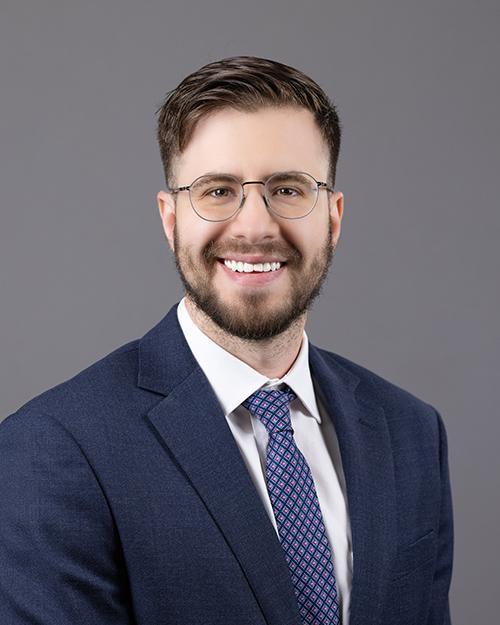
Douglas Michaelsen, MD
Hematology Oncology, Benign Hematology, Hematology, Medical Oncology, Urologic Oncology, Gastrointestinal Medical Oncology, Neuro-Oncology, Cutaneous (Skin) Medical Oncology, Head and Neck Medical Oncology, Thoracic Medical Oncology, Sarcoma Medical Oncology
-
People also ask
Get the answers to commonly asked questions about brain and spine cancer.
-
 Technology & Innovation Trailblazing cancer care: CAR T-cell therapy arrives at Roper St. Francis Healthcare
March 19, 2026
-
-
 Treatments & Conditions How personalized, multidisciplinary care is improving brain tumor outcomes
January 12, 2026
-
 Treatments & Conditions Back in action: How spine surgery helped Larry reclaim the life he loves
August 27, 2025
-
 Our Stories Dr. McPherson’s view on brain health: What’s normal what’s not and how to protect your mind
August 5, 2025
-
-
-
-

-
 Technology & Innovation Roper St. Francis Healthcare physician helps lead report on how music can promote brain health
June 30, 2020